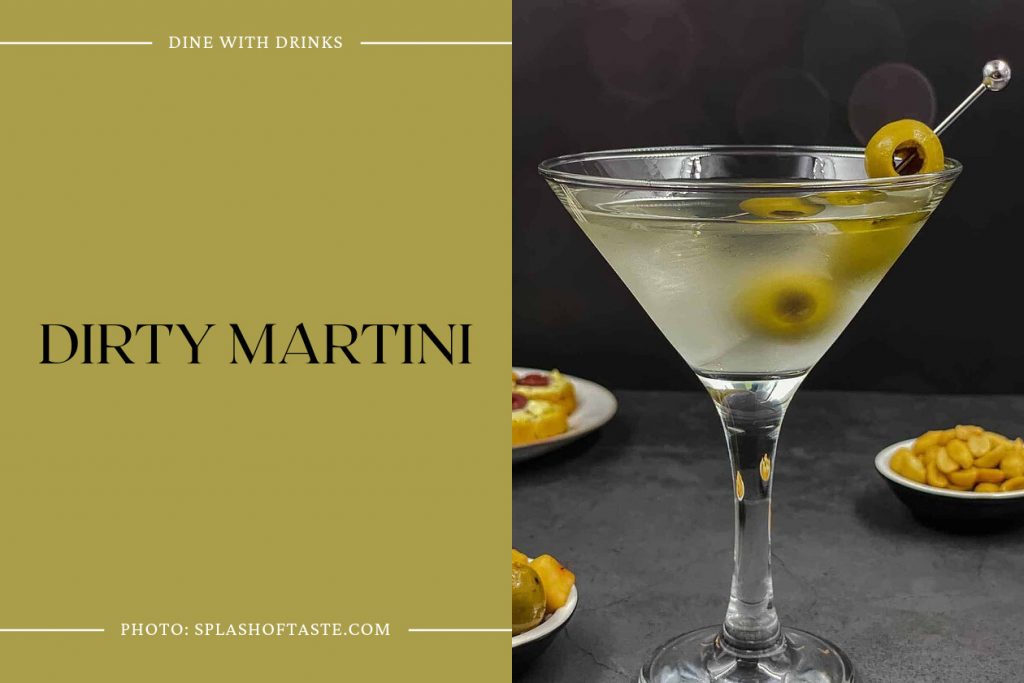
What Does A Dirty Cocktail Mean

If you’ve ever sidled up to a bar and heard someone order a “dirty martini,” you’ve already stumbled into one of the cocktail world’s most satisfying little secrets. There’s s...

If you’ve ever sidled up to a bar and heard someone order a “dirty martini,” you’ve already stumbled into one of the cocktail world’s most satisfying little secrets. There’s something wonderfully conspiratorial about the term “dirty”—it sounds rebellious, a bit naughty, but in practice it’s simply a way to make a classic drink brinier, savorier, and far more complex. This topic is enjoyable because it turns a familiar sip into a personalized adventure, and it’s practical because you don’t need a fancy bar to master it. For the home mixologist, the dirty cocktail offers an instant upgrade; for the cocktail enthusiast, it’s a fun way to explore texture and umami. The main purpose is simple: to add a splash of olive brine (or a similar savory liquid) to a spirit-forward drink, transforming its profile from clean and crisp to rich and intriguing.
At its heart, a dirty cocktail means adding a small amount of brine—the salty, tangy liquid from a jar of olives—to the shaker. The most famous example is, of course, the Dirty Martini. A standard martini is gin and dry vermouth, stirred until ice-cold. Make it dirty, and you introduce a half-ounce or so of olive brine, which gives the drink a silky, savory roundness and a faintly vegetal finish. But the brilliance of “dirty” extends beyond martinis. You’ll find variations like the Dirty Gibson (using pickled onion brine instead of olive), or even a Dirty Vodka Gimlet (substituting lime juice with a splash of brine for a saline twist). Some adventurous bars have even started “dirty” variations of the Bloody Mary, using pickle juice to amplify the umami. The common thread? That little bit of brine elevates the drink beyond simple spirit and mixer.
Why do people love this so much? The answer lies in sensory contrast. A clean martini can feel too sharp or alcoholic for some palates; the brine softens the edges, adding a luxurious mouthfeel and a wave of salt that makes your taste buds wake up. It’s the same reason we love anchovies on pizza or a squeeze of lemon on fish—salt and acidity are the great balancers. For someone avoiding sugar or sweet mixers, the dirty cocktail becomes a savory sanctuary. It’s also a wonderful trick for beginners: you don’t need rare liqueurs or exotic juices, just a jar of quality olives and a decent spirit. The benefit is immediate—you take something simple and make it taste thoughtful.
Must Read
Getting the dirty cocktail right is more about restraint than abundance. A common mistake is to pour in too much brine, which can overwhelm the spirit and turn the drink into a salty mess. Start with a ratio of one part brine to four to five parts spirit. For a classic Dirty Martini, that often means 2.5 ounces of gin, 0.5 ounces of dry vermouth, and a splash (about 0.25 ounces) of brine. Shake it hard with ice for 15 seconds—don’t stir, because shaking aerates the brine and creates a lovely, slightly cloudy texture—then strain into a chilled glass. Garnish with a couple of olives on a pick, and for maximum effect, spear them yourself rather than dropping them loose.
 Top 10 Dirty Cocktails: History, Flavor Appeal, and How to Make Them Right
Another actionable tip: choose your brine wisely. Not all olives are created equal. A jar of cheap, bleached olives will give you a thin, chemical-tasting brine. Instead, look for Castelvetrano olives—they are bright green, buttery, and their brine is naturally sweet and mild. For a more intense, punchy flavor, go with Kalamata olives (though their dark purple brine will tint your drink). You can even experiment with brines from capers, pickled cherry peppers, or even a splash of sauerkraut juice for a decidedly funky twist. The key is to taste the brine first; if it’s good enough to sip on its own, it’s good enough to dirty your cocktail.
Finally, embrace the personalization. The dirty cocktail is not a rigid recipe; it’s a philosophy. If you prefer vodka over gin, use that. If you want a less boozy version, increase the vermouth slightly or even add a teaspoon of the brine from a jar of pickled green beans. The beauty of this trend is that it invites play. Talk to your bartender or experiment at home with different spirits—a dirty Old Fashioned (with a splash of pickled walnut brine, perhaps?) or a dirty Margarita (with a rim of salt and a splash of jalapeño brine) are unexpected but delicious. What matters is that you have a drink that tastes yours. So next time you’re mixing, don’t be clean—get a little dirty. Your taste buds will thank you.