What Do Artichoke Hearts Taste Like

Let’s be real—artichoke hearts have quietly taken over the dinner party scene. You’ve seen them on charcuterie boards, in creamy dips, or starring in pasta, and you’ve probabl...
Let’s be real—artichoke hearts have quietly taken over the dinner party scene. You’ve seen them on charcuterie boards, in creamy dips, or starring in pasta, and you’ve probably wondered: what exactly do these things taste like? The answer is surprisingly simple and utterly delicious. They’re not just a trend; they’re a versatile, nutrient-packed ingredient that can elevate everyday meals from boring to brilliant. Understanding their flavor is the key to unlocking a whole new world of cooking—and trust me, it matters more than you think.
Why should you care about the taste of a artichoke heart? Because it’s a game-changer for your kitchen. For individuals, it means adding a unique, gourmet touch to quick lunches without a ton of effort. For families, canned or jarred artichokes are a hero ingredient that makes picky eaters try vegetables they’d usually shun. And for communities, sharing a spinach-artichoke dip at a potluck is practically a bonding ritual. The benefits are simple: they’re low in calories, high in fiber, and their mild, nutty flavor is so friendly that it blends into almost any dish—saving you time, money, and stress when you’re feeding a crowd.
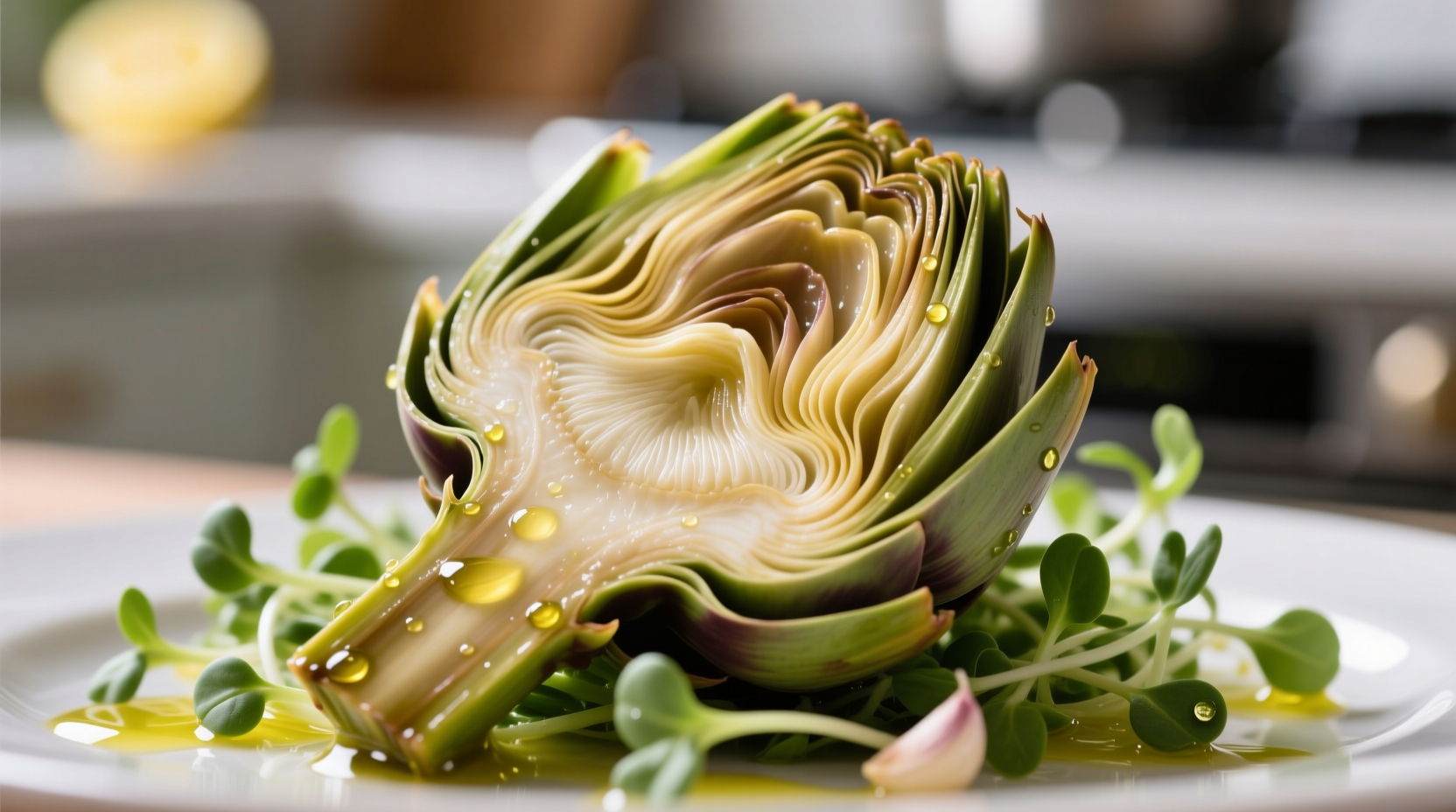
So, what’s the actual flavor profile? Imagine taking the sweet, grassy notes of a green bean, crossing them with the subtle earthiness of a potato, and then adding a whisper of nutty, almost buttery richness. That’s the heart of an artichoke. The texture is key, too: it’s tender yet firm, with a slight, satisfying chew. If you’ve ever had a perfectly cooked asparagus tip, you’re in the ballpark—but artichoke hearts are creamier and more savory. Some people catch a faint hint of lemon or a very slight bitterness (especially from the stem), but it’s balanced by a sweet, delicate aftertaste that keeps you coming back for more.
Must Read
Let’s talk real-life examples, because this is where the magic happens. Picture this: you’re making a last-minute pasta salad for a BBQ. Instead of bland olives, you throw in drained, halved artichoke hearts—they soak up the lemon dressing and become little bursts of tangy creaminess. Or think of a simple hero sandwich: add sliced hearts alongside fresh mozzarella and roasted red peppers, and suddenly your lunch is five-star restaurant quality. My favorite trick? Blending them into a white bean dip with garlic and olive oil. The result is a velvety, savory spread that disappears faster than chips at a Super Bowl party. These examples show how the artichoke’s mild flavor doesn’t dominate—it lifts everything around it.
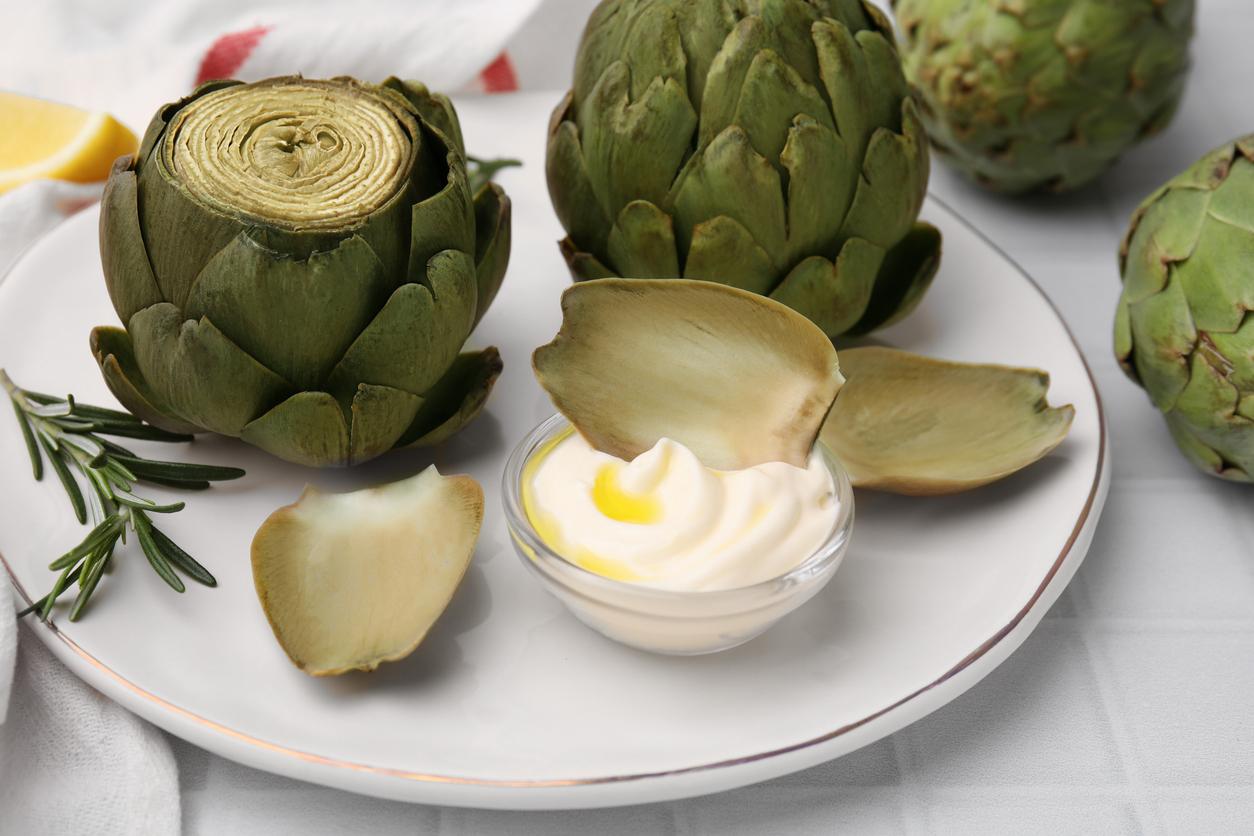
Now, how can you use this knowledge today without a fancy recipe? Start simple: buy a jar of marinated artichoke hearts (the ones in oil and herbs). Drain them, then chop them roughly and toss into a sautéed spinach with garlic—it takes 3 minutes and tastes gourmet. Another easy win: stuff a chicken breast by making a slit and pushing in a few whole hearts with some cream cheese. It cooks in the same time as plain chicken, but the result is juicy, flavorful, and impressive enough for a date night. For a zero-cook option, just drizzle extra virgin olive oil and flaky salt over a bowl of hearts—eat them cold as a snack. That’s it. The key is to not overthink it; their gentle taste is a shortcut to looking like a culinary genius.
 What Do Artichoke Hearts Taste Like? Exploring the Flavor
Beyond the kitchen, the relevance of artichoke hearts goes deeper than you’d think. They symbolize patience and reward—peeling back a tough exterior to find something tender and delicious inside. That’s a pretty good metaphor for life, right? In a world of fast food and processed everything, taking time to appreciate a whole, real ingredient like this connects you to slower, more mindful cooking. Whether you’re feeding a family or just yourself, the taste of artichoke hearts is a gentle reminder that simple, good food doesn’t need to be complicated. It’s a little treasure that makes every meal feel a bit more special.
So go ahead—grab a jar on your next grocery run. You’ll taste earthy, nutty, and subtly sweet notes that are surprisingly comforting. Whether you’re a seasoned cook or a total beginner, artichoke hearts are your new best friend in the pantry. They’re proof that good things come in small, heart-shaped packages—and they taste even better when shared. That’s a win for your plate, your time, and your taste buds.