What Do Arctic Hares Eat

So, you’re wondering about the dinner plate of the Arctic hare? I love it. It’s not every day we ask the deep, burning questions about what a fluffy snowball with ears eats wh...
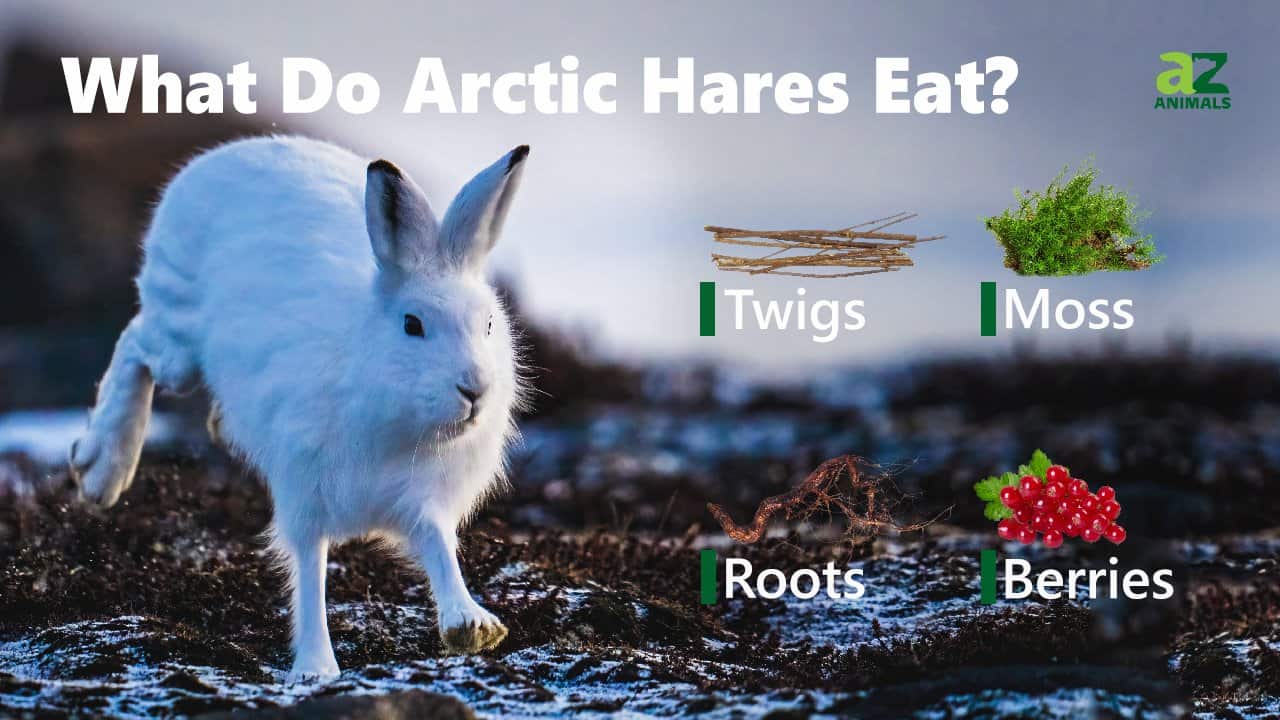
So, you’re wondering about the dinner plate of the Arctic hare? I love it. It’s not every day we ask the deep, burning questions about what a fluffy snowball with ears eats when it’s not photobombing polar bear documentaries. Grab a cup of tea (or hot cocoa, if we’re getting into the Arctic spirit), and let’s dig into this frosty menu.
First things first: these hares live in one of the harshest environments on Earth—think tundra, minus-40-degree winds, and 24/7 darkness for months. You’d think they’d just give up and order takeout, but no. They’re scrappy little survivors. Their diet is basically a masterclass in making the best of a frozen pantry. In the summer, when the tundra defrosts into a brief, glorious green party, Arctic hares feast like it’s a farmer’s market blowout. They munch on grasses, sedges, and leafy plants. Fancy stuff like moss campion and dwarf willow—which sounds like a fairy-tale herb, but is real and apparently delicious to a hare.
But here’s where it gets wild: winter. The season of despair for anyone who isn’t a penguin or a snow machine. When the ground is locked in ice and snow, the Arctic hare turns into a genius forager. They’ll paw through the snow with their powerful hind legs (think of them as tiny, fluffy bulldozers) to uncover buried treasures: woody plants, bark, and especially the twigs and buds of willows. In fact, willow bark and shoots make up the bulk of their cold-weather diet. It’s not exactly a gourmet salad, but hey, when it’s all you’ve got, you learn to love the crunch. They also eat lichens and mosses—which sounds like something you’d scrape off a rock and regret, but to a hare, it’s a Michelin-star snack.
Must Read
Oh, and here’s a little joke: Arctic hares have been known to eat frozen fish or meat on rare occasions. Yes, you heard me. These fluffy herbivores sometimes turn into opportunistic carnivores if they stumble upon a carcass. It’s like finding out your vegan friend has a secret stash of beef jerky. Don’t judge them—survival is survival. But don’t worry, they’re mostly sticking to their plant-based roots. They’re herbivores first, resourceful scavengers second.
Now, let’s talk strategy. How do they eat without freezing their little lips off? Arctic hares have a superpower: they can actually digest wood. Well, not like a lumberjack, but their gut microbes break down tough, fibrous plant material that would give a cow a stomachache. Plus, they have a specialized digestive system that lets them extract every last calorie from their woody meals. It’s like having a built-in slow cooker. And in the winter, they often eat sitting in communal groups, huddled together for warmth while chewing on frozen twigs. Honestly, that sounds cozier than my last dinner party.
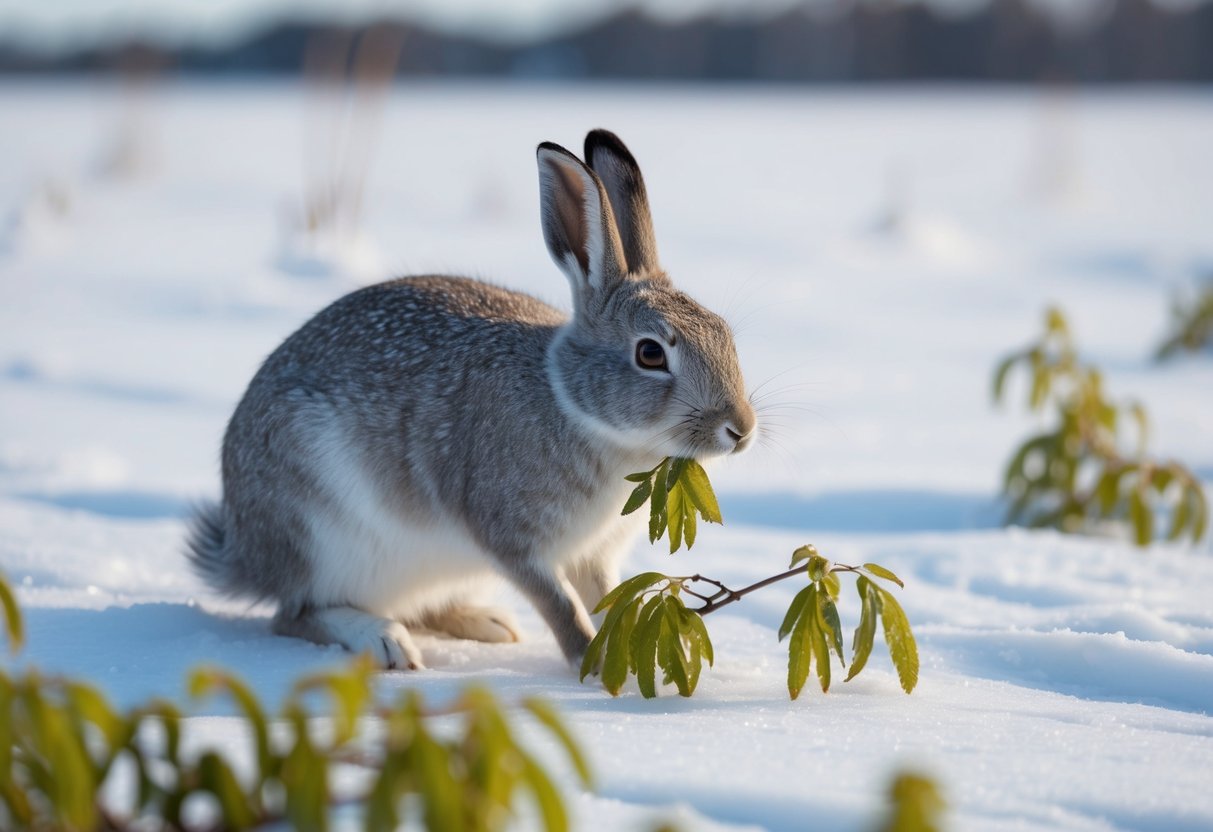 Do Arctic Hares Eat Arctic Willow? Understanding Their Diet and Habitat
So, what’s the takeaway from this frosty buffet? The Arctic hare teaches us that you don’t need a fancy menu to thrive. You just need to be adaptable, a little resourceful, and willing to eat willow bark when life gives you ice. Their diet is a testament to resilience—a reminder that even in the bleakest winters, there’s always something to sustain you, if you know where to look.
And next time you’re grumbling about a limited lunch option, just think of that fluffy little hare, munching frozen twigs under a starry Arctic sky, somehow still looking adorable. If they can make it work, my friend, so can you. Go ahead—take a bite out of your day, and crunch on.
