What Differentiates A Male Lion From A Female Lion

Hey there, nature enthusiast! Let's dive into the fascinating world of lions and chat about what sets our majestic male lions apart from their equally amazing female counterpa...
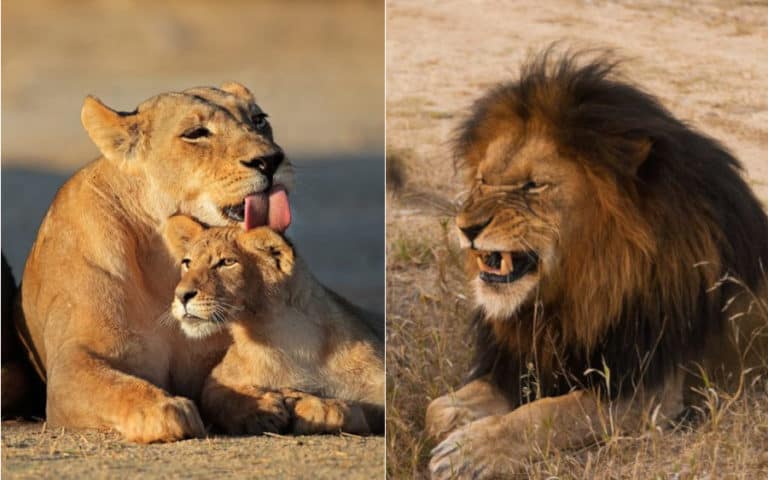
Hey there, nature enthusiast! Let's dive into the fascinating world of lions and chat about what sets our majestic male lions apart from their equally amazing female counterparts. Grab a cup of tea, get comfy, and let's roll!
Size Matters, Folks!
Alright, let's start with the most obvious difference - size. Male lions are like the heavyweight champions of the savannah. They can grow up to 3.3 meters (11 feet) in length and weigh up to 250 kilograms (550 pounds). That's like having a small sofa roaming around your backyard! Female lions, on the other hand, are like the middleweights, typically around 2.5 meters (8.2 feet) in length and weighing up to 180 kilograms (400 pounds). Still impressive, but you get the idea.
Now, you might be wondering, "Why the size difference?" Well, it's all about survival and reproduction. Those big boys need their size to protect their territory and their pride from intruders. Plus, it helps them show off their strength to potential mates. It's like they're saying, "Hey, ladies, look at me! I'm built for protection and pleasure!"
Must Read
Mane-ifest Destiny
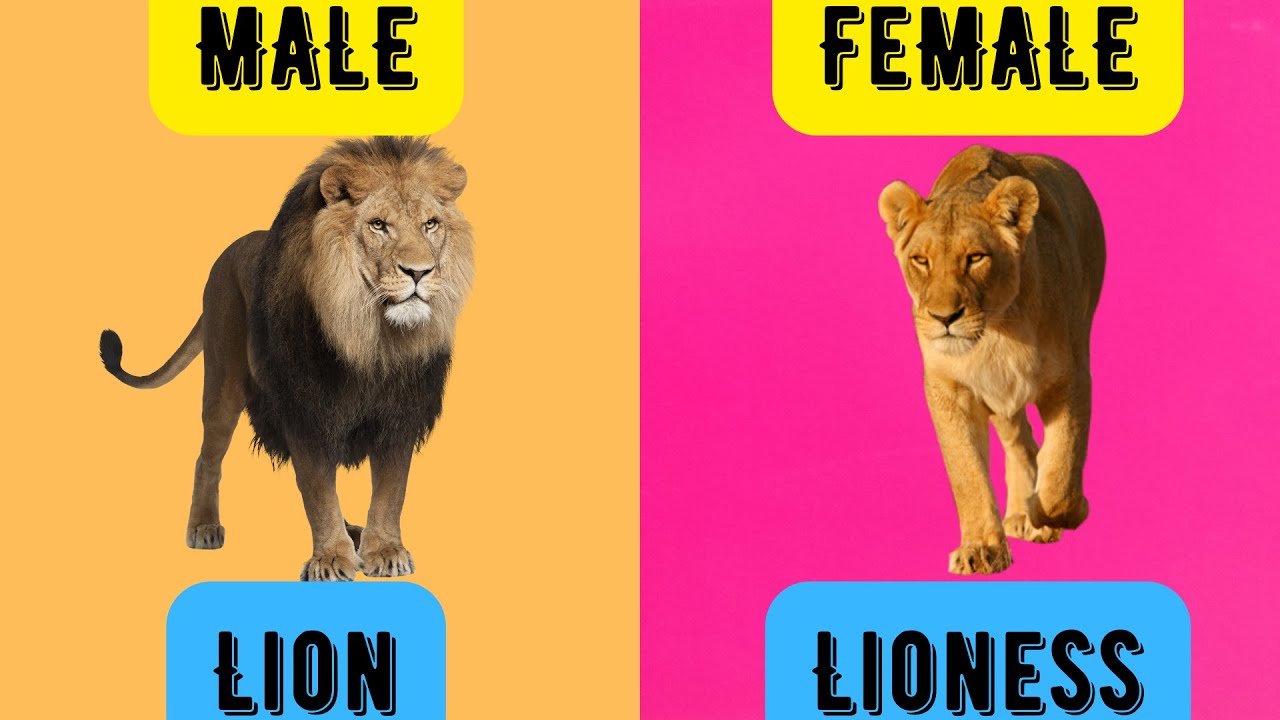
Speaking of showing off, let's talk about that iconic lion feature - the mane. Male lions have a luxurious, thick mane that covers their head and neck, giving them a regal, intimidating look. It's like nature's way of saying, "This guy means business!"
Female lions, however, have a much simpler hairstyle. They have shorter, thinner fur on their head and neck, which might make them look more like their cousin, the tiger, at first glance. But don't worry, they're still unmistakably lionesses, with their own unique charm and strength.
So, why do male lions have manes? Apart from looking fabulous, the mane serves a practical purpose. It protects the lion's neck and head during fights with other males, and it also helps regulate their body temperature. Plus, it's a great way to show off their virility and health to potential mates. It's like nature's way of saying, "This guy's got it all - strength, protection, and style!"
Roaring Resonances
You know what else sets male lions apart? Their powerful roar. A male lion's roar can be heard up to 8 kilometers (5 miles) away, making it one of the loudest animals on Earth. It's like they're saying, "Hey, world! I'm here, and I'm ready to rumble!"
Female lions, while not silent by any means, have a less powerful roar. Theirs is more of a loud, deep growl, which is still pretty impressive, but it's not quite as earth-shattering as the male's roar. It's like they're saying, "Hey, I'm here, and I mean business, but I don't need to shout about it."
Hunting and Harem-ing
Now, let's talk about hunting and, well, let's call it "lion dating" for lack of a better term. Male lions are more likely to be the ones leading the charge when it comes to hunting. Their size and strength make them well-suited for taking down large prey like buffalo and wildebeest. It's like they're saying, "Dinner's on me, ladies!"
 Lion Gender Ratio at Eric Toothaker blog
Female lions, on the other hand, are more likely to hunt in smaller groups or even alone. They're excellent hunters in their own right, but they often prefer to take down smaller prey like impala and zebra. It's like they're saying, "I can handle this, thanks. You go ahead and rest up for the big hunts."
As for "lion dating," male lions are known for their, ahem, "harems." A male lion will often have a group of female lions that he protects and mates with. It's like he's saying, "Ladies, I'm your man. I'll protect you and your cubs, and we'll make some beautiful lion babies together." Meanwhile, female lions are more likely to form their own groups, or "prides," with their sisters, mothers, and daughters. It's like they're saying, "We've got this, girls. We don't need a man to tell us what to do."
Lion Love and Loss
Now, let's talk about something a bit more serious - family and loss. Both male and female lions have a strong sense of family and will protect their cubs fiercely. However, male lions are more likely to show affection towards their cubs, often playing with them and even helping to care for them. It's like they're saying, "Hey, little ones, I'm here for you. Let's have some fun and grow up together."
Sadly, life in the wild can be tough, and not all cubs make it to adulthood. When a cub dies, both male and female lions will show their grief, often by roaring or gathering around the cub's body. It's a heartbreaking reminder that, despite their strength and power, these majestic creatures are not immune to the harsh realities of life in the wild.
Lions, Leaders, and Legacy
Finally, let's talk about leadership. Male lions are often the ones leading their pride, using their strength and experience to guide and protect their family. They're like the CEOs of the savannah, making sure everything runs smoothly and everyone is taken care of. Female lions, meanwhile, are often the ones doing the day-to-day work of caring for the cubs and maintaining the pride's territory. They're like the unsung heroes of the savannah, working tirelessly behind the scenes to keep things running smoothly.
But here's the thing - both male and female lions play a crucial role in their pride's survival and success. They need each other to thrive, and together, they pass on their legacy to the next generation. It's a beautiful reminder that, despite our differences, we all have a role to play in creating a strong, healthy, and thriving community.
So, there you have it - a whirlwind tour of what sets male lions apart from their female counterparts. From their size and strength to their unique roles within the pride, these majestic creatures are truly a wonder to behold. And remember, folks, no matter who you are or what you look like, you've got your own unique strengths and talents to offer the world. So go out there and roar - or growl - with pride!
