What Did Soldiers Eat In The Trenches In Ww1

When people think about World War I, they often picture muddy trenches, barbed wire, and soldiers charging into No Man's Land. But what most people overlook is one of the most...

When people think about World War I, they often picture muddy trenches, barbed wire, and soldiers charging into No Man's Land. But what most people overlook is one of the most basic human needs: food. What did soldiers actually eat to get through the brutal days and nights locked in those narrow, waterlogged trenches? The answer reveals a lot about the everyday reality of war and the resilience of those who lived through it.
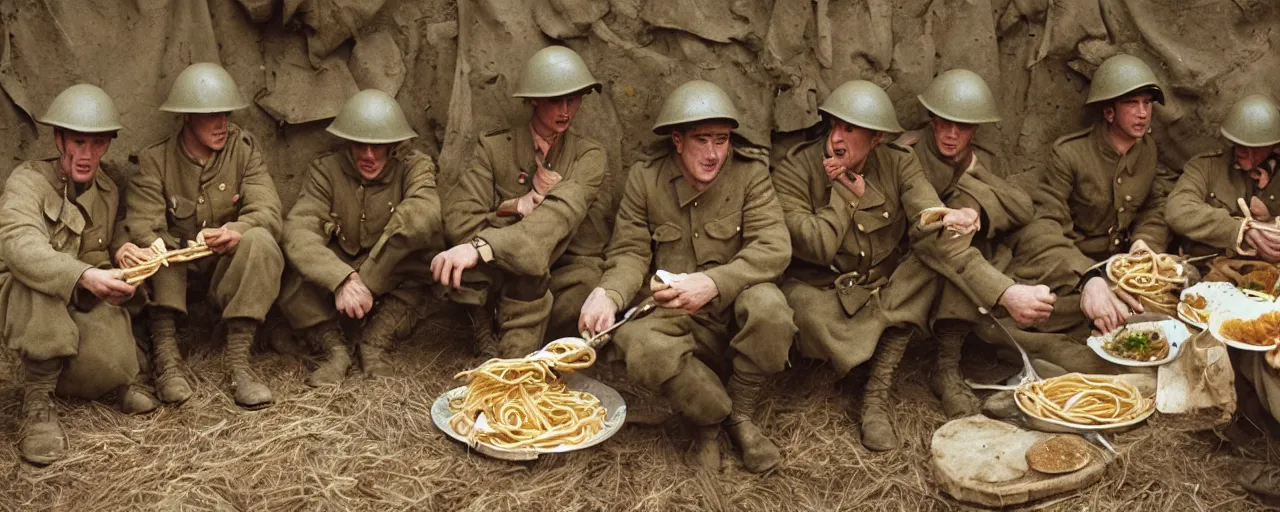
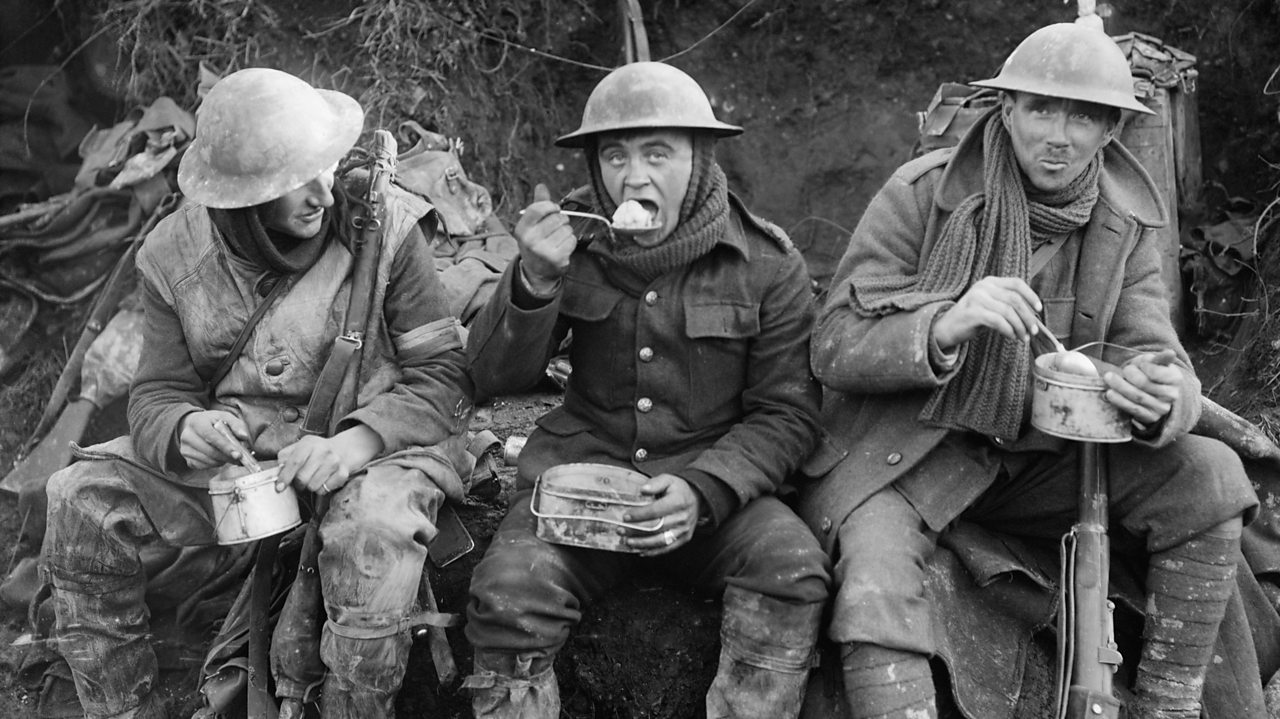
To start, the standard British rations were dreadfully simple but designed to keep soldiers alive. The main staples included tinned beef (known as "bully beef"), hard biscuits that were so tough they could break teeth, plum-and-apple jam, and chunks of cheese. When supply lines were disrupted — which was often — these rations became all the soldier had for days. German soldiers relied heavily on sauerkraut, bratwurst, bread, and ersatz coffee (a bitter substitute brewed from acorns or chicory). French troops were handed "ration de campagne", which typically included bread, canned meat, and wine. Each country's diet reflected its culture and supply capabilities, but all of them existed on the edge of starvation.
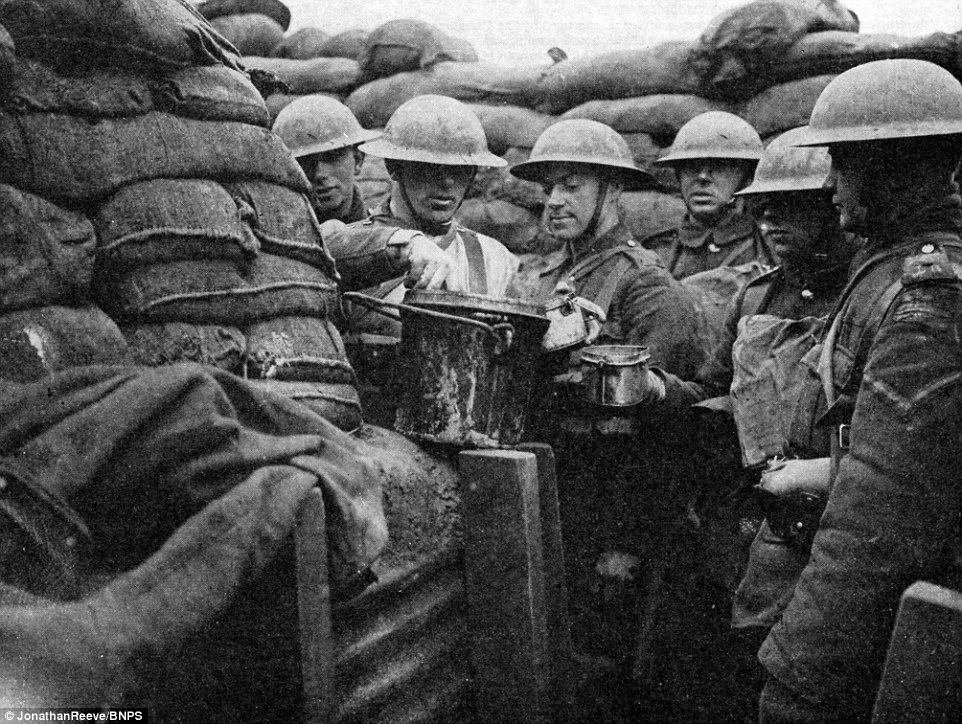
The real challenge wasn't just what the food was but how it got to the front. Supply lines were constantly targeted by artillery and shelling. Soldiers sometimes waited days without receiving any fresh rations. Kitchen details were posted to move hot food from rear-line kitchens to the trenches, but workers faced the same dangers as anyone else. Food would often arrive cold, spoiled, or stinking from the heat and humidity in the trench. Trench foot, rats, and vermin contamination were constant risks. Imagine eating a tin of bully beef while men around you are lying wounded or dead — that was the grim reality many faced daily.
Must Read
Out of necessity and boredom, soldiers became surprisingly creative with their food. French troops on the Western Front famously brewed café du trench using whatever coffee, ground chicory, or even roasted barley they could find. British soldiers made trench cakes from whatever dry ingredients were available — flour, sugar, and dried fruit if lucky. Some units traded with each other: Kaiser questions for cigarettes or German sausage for British jam. These small exchanges and makeshift recipes helped preserve morale, which was just as critical as physical sustenance. Food wasn't just about calories; it was about dignity and a brief moment of normalcy.
Over time, the quality of food became a major source of unrest. By 1917 and 1918, supply problems had worsened significantly on all sides. German soldiers suffered the most severe shortages during the final year of the war, contributing to widespread hunger and plummeting morale. On the British side, soldiers and workers at home protested underfeeding, and the government was forced to adjust rations accordingly. There were famous cases of troops writing home about putrid meat and rotten biscuits, frustrations so deep they became part of the war's unsung narrative. These complaints weren't just grumbles — they were survival concerns that directly affected combat effectiveness and fighting spirit.
 What was life like in a World War One trench? - BBC Bitesize
If you're interested in exploring this topic further, try looking into original diary entries, letters from soldiers, and army ration records from museums like the Imperial War Museum or the National Archives. Reenactors and historians have even recreated trench rations for exhibitions, giving visitors a tangible sense of what "bully beef and hard biscuit" actually tasted like. For students or families doing a WWI project, cooking a simple trench ration — hardtack and tinned meat — can be a powerful hands-on learning experience that drives home just how hard daily life was for ordinary soldiers.
In the end, the story of what soldiers ate in the trenches is far more than a footnote to military history. It's a vivid reminder that behind every battlefield is a human stomach, a human body, and a human spirit trying to endure. Understanding what these men put into their mouths helps us appreciate not only their courage but also their everyday suffering — the kind that never makes the highlight reels of war. Their struggle for something as simple as a warm meal deserves to be remembered and honored just as much as their bravery on the front line.