What Did New England Colonies Eat

Chow Down, Pilgrim Style! A Munch-tastic Journey Through New England's Colonial Kitchen Ever wondered what was on the menu when the Pilgrims sat down for their first Thanksgi...
Chow Down, Pilgrim Style! A Munch-tastic Journey Through New England's Colonial Kitchen
Ever wondered what was on the menu when the Pilgrims sat down for their first Thanksgiving? It's time to dive into the delicious, sometimes surprising, and always fascinating world of New England colonial cuisine. So, grab a wooden spoon and let's get cooking!
Welcome to the Oyster Bar
First things first, let's talk seafood. New England was (and still is) a seafood lover's paradise. Oysters, clams, and lobsters were as common as, well, sand on the beach. They were so abundant, they were often used as fertilizer or even currency! Can you imagine paying your rent with a bushel of clams? Now that's a shellfish deal!
But it wasn't all raw bar action. Colonists also enjoyed fish stews, chowders, and even fishcakes. And no, they didn't come with a side of fries. They were more like a mix of fish, breadcrumbs, and herbs, all rolled up and fried. Sound familiar? You might be thinking of crabcakes, and you'd be right. These fishcakes were the original crabcakes, and they're just as delicious!
Must Read
Corn, Corn, Everywhere!
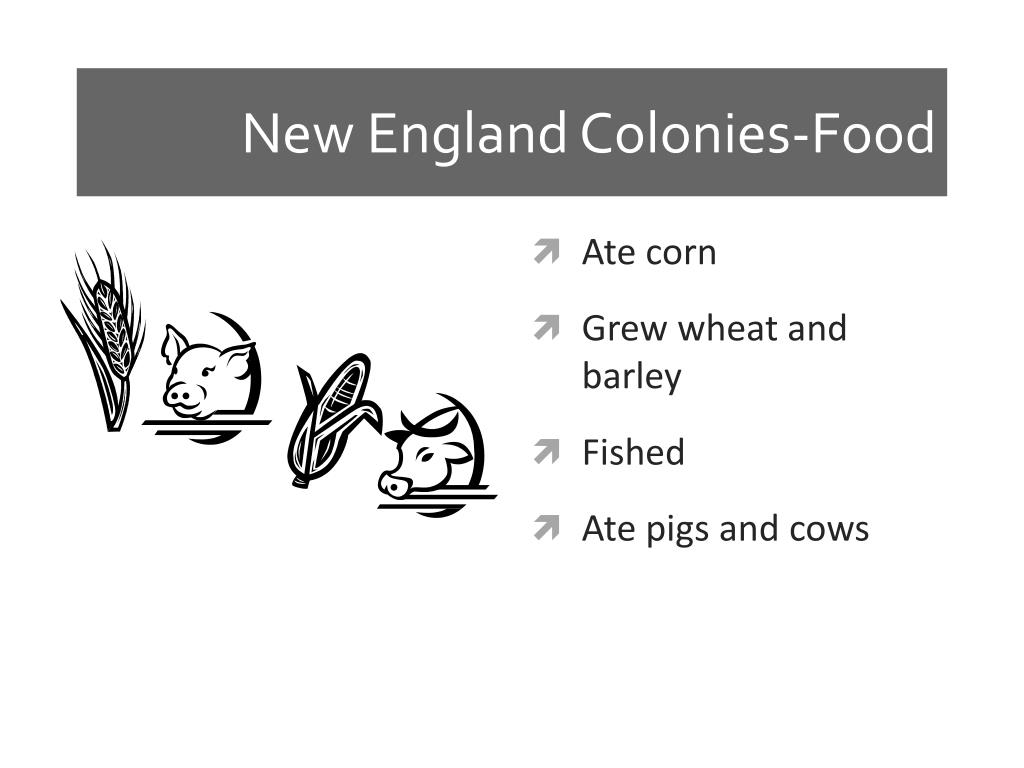
Corn was the superfood of the colonial era. It was used in everything from bread to porridge, and even in beer. Yes, you read that right. Colonial beer was often made with corn, not just barley. It was cheaper and more readily available, and it gave beer a unique, sweet flavor. Cheers to that!
Corn on the cob was a summer staple, and it was often served with a sprinkle of salt or a dollop of butter. But when the weather turned cold, colonists turned to cornmeal for warmth. They made it into puddings, cakes, and even Johnnycakes, a type of cornmeal pancake. Slather on some honey or molasses, and you've got a tasty treat that's perfect for breakfast, lunch, or dinner.
Pies, Pies, and More Pies
Pies were a big deal in colonial New England. They weren't just for dessert, either. Colonists made meat pies, vegetable pies, and even fish pies. The crust was often used as a bowl to hold the filling, and it was usually eaten along with the rest of the pie. Talk about a full crust experience!
Fruit pies were a treat, especially in the summer when fresh berries and apples were in season. But don't expect a perfectly flaky, buttery crust. Colonial pie crusts were often made with lard, which gives them a unique, savory flavor. It might sound strange, but it's definitely worth a try!
 PPT - Colonial Food and Cooking PowerPoint Presentation, free download
Savory Sweets and Sweet Savories
Colonial New Englanders had some interesting ideas about sweet and savory flavors. They often added sugar to their savory dishes, and they weren't afraid to mix sweet and savory ingredients. For example, they loved to add raisins to their meat pies. It might sound weird, but it's actually pretty delicious!
And speaking of sweet and savory, let's not forget about that first Thanksgiving. The Pilgrims didn't have marshmallows or sweet potatoes, but they did have a feast filled with sweet and savory dishes. They served wildfowl, venison, and even lobster, along with fruits, nuts, and pies. It was a true celebration of the land and the harvest, and it's a tradition we still enjoy today.
So, What's for Dinner?
New England colonial cuisine might seem strange or even unappetizing at first, but it's actually a lot of fun to explore. It's a reminder that food is more than just fuel; it's a way to connect with our past and our culture. So, why not give it a try? You might just discover a new favorite dish!
And who knows? You might even find yourself craving a fishcake or a slice of lard pie. Just remember, it's all about the experience. So, embrace the weird, the wonderful, and the downright delicious. After all, food is meant to be enjoyed, and that's something we can all be thankful for.
So, go ahead, give colonial cuisine a try. You might just find that history is a lot tastier than you thought. And who knows? You might even learn a thing or two along the way. Happy cooking, and bon appétit, history lovers!
