What Causes A Prolonged Qt Interval

Have you ever had that jolt when your phone buzzes with a text, and your heart skips a beat? That split-second pause is normal, but imagine your heart taking a little too long...
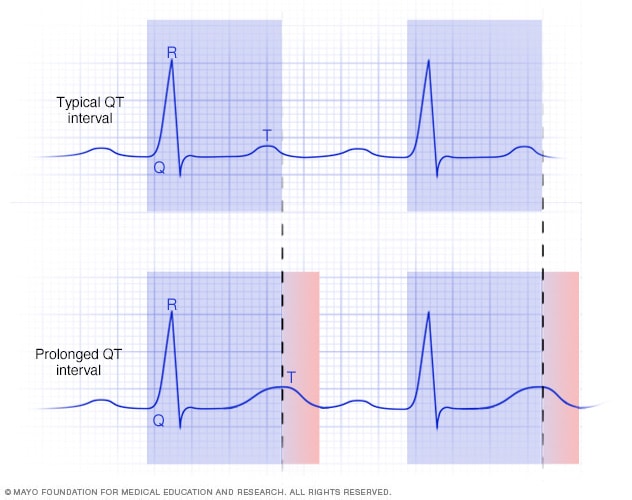
Have you ever had that jolt when your phone buzzes with a text, and your heart skips a beat? That split-second pause is normal, but imagine your heart taking a little too long to recharge between beats. That, in a nutshell, is what a prolonged QT interval is—a tiny electrical lag in your heart's rhythm.
Think of your heart like a dance floor at a party. Each beat is a dancer doing a quick shimmy and then resetting. A prolonged QT interval is like the DJ hitting pause a bit too long between songs, leaving the dancers (your heart cells) hanging for a moment.
Now, you might be thinking, "Isn't that just a fancy doctor term?" Actually, yes, it sounds fancy, but it matters because that extra lag can lead to a dizzy spell or even a fainting episode. In rare cases, it can invite a chaotic rhythm called Torsades de Pointes, which sounds like a French pastry but is a lot less fun.
Must Read
Your Genes Might Be the Quiet Culprit
Firstly, some people are simply born with it—like inheriting your mom's curly hair or your dad's love for dad jokes. Genetic factors can give you a "long QT syndrome" from the get-go, even if you feel perfectly fine jogging or laughing.
Imagine you're at a family barbecue, and your cousin mentions fainting when he heard a loud cheer. That could be a clue that a few of you have hearts that reset a little slowly. It’s not dramatic—it’s just your heart’s wiring being a bit unique.
If you've got this inherited trait, don't panic. Many people live full, active lives with a little awareness—like knowing to avoid certain triggers. It’s like having a car that needs premium gas; you just adjust the ride.
What You Pop in Your Pocket or Plate
Believe it or not, medications are a major prankster here. That antibiotic your doctor gave you for a sinus infection, or the antihistamine you took for spring allergies, can stretch out your QT interval like a rubber band.
Even common pills—like some antidepressants, antihistamines, or anti-nausea meds—can mess with the heart’s electrical party. It’s like adding a slow-motion filter to your heart's dance video without realizing it.
If you start feeling lightheaded or your heart flutters after starting a new medicine, give your doctor a heads up. They can often swap it for a different brand that doesn't mess with your rhythm.
The Salty-Sweet Tug-of-War in Your Blood
Your body loves balance, especially with tiny minerals called electrolytes like potassium and magnesium. When you've been sweating buckets during a summer jog or had a stomach bug that left you dehydrated, your electrolyte levels can dip.
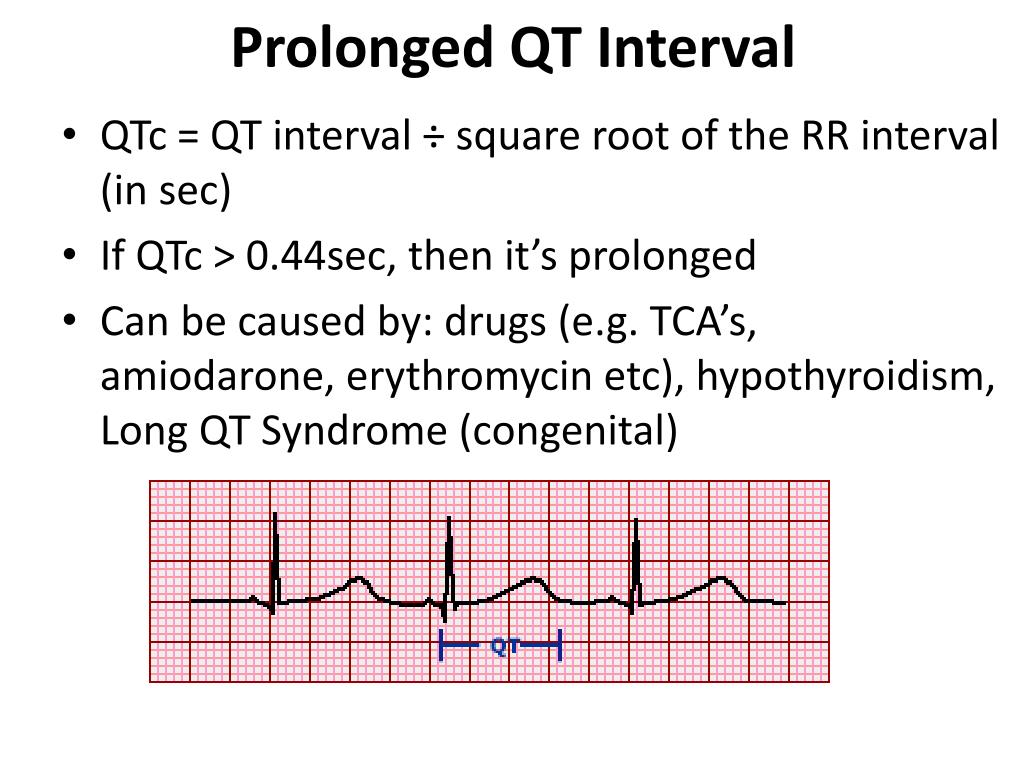
That imbalance is like trying to dance with one shoe untied—your heart's electrical signals get sloppy. A low potassium level is a common sneaky cause of a prolonged QT interval, especially after a long, hot day.
 PPT - ECGs PowerPoint Presentation, free download - ID:2225958
That’s why your grandma always told you to eat a banana after a tough workout. Bananas are packed with potassium, magnesium-rich nuts, and leafy greens—your heart’s favorite snacks.
When Stress and Sleep Play Hide and Seek
Ever pulled an all-nighter for a deadline or been so nervous before a big presentation that your chest felt "off"? Stress and lack of sleep can actually wiggle your heart's electrical settings a bit.
Your body releases stress hormones like adrenaline, which can speed up your heart, but also occasionally stretch the QT interval if you're already prone to it. It's like revving your car's engine while the parking brake is half-on.
The fix? Simple old-school stuff: drink a glass of water, take a deep breath, and go to bed at a reasonable hour. Your heart loves routine as much as your coffee maker does.
Why You Should Care (In a Fun Way)
Here’s the thing: a prolonged QT interval isn't something to lose sleep over—it's something to listen to. If you've ever fainted from a loud noise, a sudden fright, or while swimming, it’s worth a chat with your doctor.
They can check it easily with an EKG—a quick, painless test where they stick a few stickers on your chest. It takes less time than waiting for your avocado toast at brunch.
Knowing your QT interval is like knowing your car’s oil level. You don't fix it every day, but when the dashboard light comes on, you pay attention. So stay hydrated, be mindful of your meds, and if your heart ever does the "long pause" cha-cha, just smile and say, "I’ll ask my doc."
In the end, your heart is a resilient, hardworking buddy. Give it a little love, and it’ll keep dancing to your favorite beat for a very, very long time.
