What Can You Use Instead Of All Purpose Flour

So, you’re halfway through a recipe, flexing your inner baking deity, when you reach for the all-purpose flour—and the bag is empty. Just a dusty ghost of flour and a single,...
:max_bytes(150000):strip_icc()/a-substitute-for-all-purpose-flour-3976522_v3-HL-FINAL-5c069ca6c9e77c0001e3563d.png)
So, you’re halfway through a recipe, flexing your inner baking deity, when you reach for the all-purpose flour—and the bag is empty. Just a dusty ghost of flour and a single, mocking receipt stapled to the counter. Panic not, my friend. You have options, and some of them are actually better than the original stuff.
The Nutty Overachievers
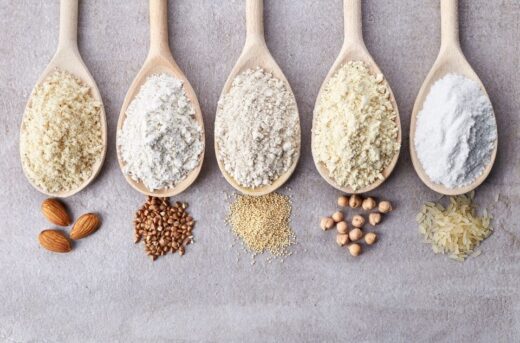
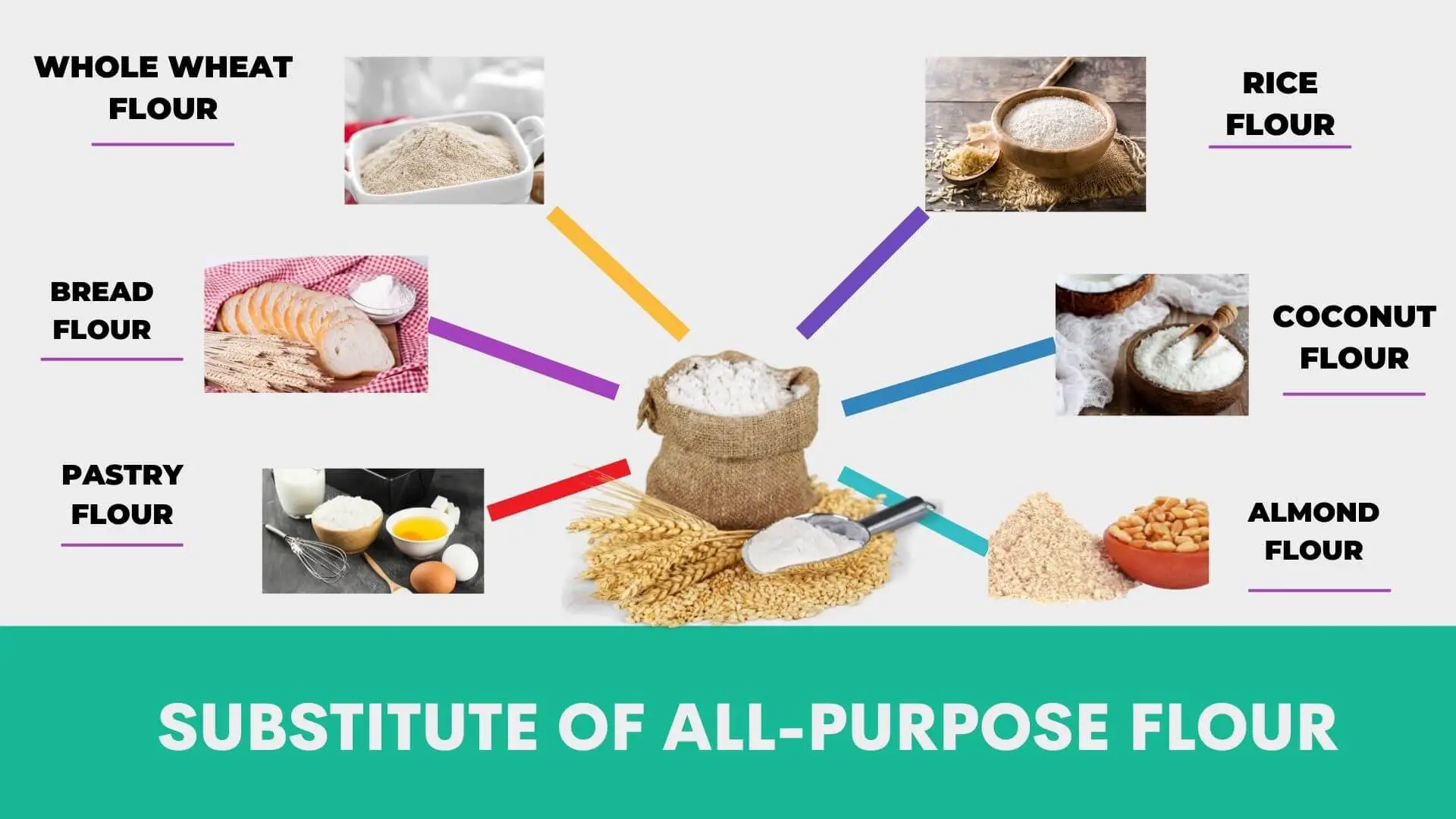
First up: almond flour. This is the fancy friend who shows up to the party in a cashmere sweater. It’s made from blanched almonds, so it’s naturally gluten-free and packed with protein and healthy fats.
The catch? It makes your baked goods denser than a brick of philosophical doubt. You can’t swap it one-for-one with regular flour. Use about a quarter less, and expect your cookies to have the texture of a very polite, crumbly shortbread.
Must Read
Fun fact: almond flour contains more calcium than cow’s milk, ounce for ounce. So if your cake falls apart, at least your bones will be strong enough to punch the disappointment away.
The Grain That Hates Gluten
Next, let’s talk coconut flour. This stuff is the drama queen of the pantry. It absorbs liquid like a thirsty sponge at a pool party, so you need to use way less of it—usually about ¼ cup of coconut flour for every 1 cup of regular flour.
Also, you’ll need to add extra eggs. Like, a lot of eggs. The recipe might start looking like a hostage situation for chickens. But the payoff? A subtle, sweet coconut flavor that makes your pancakes taste like a tropical vacation—if that vacation had a dry sense of humor.
Beware: if you don’t add enough liquid, your muffins will double as doorstops. I once made coconut flour muffins that could stop a runaway bicycle. They were technically inedible, but my garage door has never closed more securely.
The TikTok Sensation
Have you heard of oat flour? It’s just rolled oats blitzed in a blender until they become a fine powder. That’s it. No secret handshake, no magic ritual. Just you, a blender, and the sound of breakfast being destroyed.
Oat flour makes things moist, soft, and slightly sweet. It’s great for cookies and quick breads, but don’t use it for pizza dough unless you want a crust that tastes like a very supportive hug that also collapses under the weight of a single pepperoni.
 5 Best Substitutes for All-Purpose Flour: A Comprehensive Guide
Pro tip: blend your oats thoroughly. If you leave chunks, you’ll be biting into what feels like gravel road in a muffin. Nobody wants a surprise granola pit in their banana bread.
The Ancient Rebel
Now, chickpea flour (also called gram flour or besan). This is the savory hero you never knew you needed. It’s made from ground chickpeas, and it smells a little like a warm, dusty field of hummus.
It’s phenomenal for making flatbreads, socca (a kind of Italian pancake), or binding veggie burgers. But do not—I repeat, do not—try to make a vanilla cake with it unless you want dessert that tastes like a salad in a wig. The bean flavor is strong, so stick to savory dishes.
Here’s a weird surprise: chickpea flour is amazing for making vegan omelets. Just whisk it with water, pour it in a pan, and voilà—you’ve created a golden disk that fools nobody but tastes great with hot sauce. It’s the platypus of breakfast foods: confusing, but you respect it.
The Science Nerd’s Choice
Rice flour is the quiet, reliable cousin who never causes drama. It’s very bland, which is a compliment in the flour world, because it lets other flavors shine. It makes things delightfully crispy—perfect for tempura or the edges of a chewy cookie.
However, it can make baked goods a little gritty if you don’t use a fine grind. Imagine biting into a cake that feels like it was dusted with the surface of the moon. Not ideal.
 What is all purpose flour | Maida recipes | Storing ideas
Mix it with a bit of tapioca starch (which is basically powdered magic from cassava root) to get that soft, pillow-y texture you crave. Tapioca starch is the glue that holds your gluten-free life together, one gummy bear texture at a time.
The Wildcard: Bean Juice (Yes, Really)
Okay, this isn’t a flour, but I can’t not mention aquafaba—the liquid from a can of chickpeas. That weird, slimy water can be whipped into a meringue! It’s a miracle for vegans, a party trick for everyone else, and a genuine shock the first time you do it.
You can replace eggs in some recipes with it, but you can’t replace flour with it. I tried. I ended up with a thin, sad puddle that looked like a ghost’s spilled coffee. Stick to using it for mousses and macarons, not bread.
Fun fact: people have been using aquafaba since the Middle Ages, but it went viral on the internet in 2014. History is just a series of people rediscovering that bean juice has magic powers while everyone else looks away and eats bread.
The Final Word (and a Cautionary Tale)
Your best bet for replacing all-purpose flour depends on what you’re making. For cookies? Try oat flour. For pancakes? Almond flour. For a cake that needs structure? Buy a gluten-free all-purpose blend from the store—it’s usually a mix of rice, potato, and tapioca flours, and it’s been battle-tested by millions of disappointed Celiac patients.
Whatever you do, don’t panic. The worst that happens is you make a dense, ugly cake that tastes like a "learning experience." And you can always drown it in frosting. Frosting covers a multitude of baking sins, like that time I used coconut flour for a soufflé and ended up with a sad, dry pancake that felt personal.
Go forth, experiment, and remember: in the battle between you and a hungry pantry, you only lose if you don’t eat the evidence. Now get cooking—your kitchen is waiting, and it smells faintly of beans and hope.
:max_bytes(150000):strip_icc()/a-substitute-for-all-purpose-flour-3976522_v3-HL-FINAL-5c069ca6c9e77c0001e3563d.png&description=What+Can+You+Use+Instead+Of+All+Purpose+Flour)