What Can You Substitute For Baking Powder

So, you’re halfway through a recipe for fluffy pancakes or a tender cake, and you reach for the baking powder. The box is empty. Oh, the drama! But before you close the cupboa...

So, you’re halfway through a recipe for fluffy pancakes or a tender cake, and you reach for the baking powder. The box is empty. Oh, the drama! But before you close the cupboard in defeat, take a breath. This is actually a fun little kitchen puzzle, and the solutions are way cooler than you might think.
First, what’s the big deal about baking powder anyway?
Think of baking powder as a tiny, magical chemical party waiting to happen. It gets wet, gets warm, and then whoosh—it releases bubbles of gas that make your dough rise. It’s a complete, self-contained system, like a little science kit in a spoon.
But here’s the secret: baking powder is really just baking soda that’s already been paired with an acid (like cream of tartar). So if you don’t have the ready-made party, you can totally mix your own DJ and the music yourself.
Must Read
The classic swap: baking soda + an acid
This is the rockstar substitute, and it’s almost always in your pantry. Use ¼ teaspoon of baking soda plus ½ teaspoon of an acid for every 1 teaspoon of baking powder your recipe calls for. Weird math? Just remember: it’s a 1:2 ratio of soda to acid.
For the acid, you can use white vinegar or lemon juice. Sounds weird in a cake, right? Don’t worry—you won’t taste it. Those bubbles of carbon dioxide work so fast that the tart flavor just disappears into the oven air. It’s like watching a magician vanish a coin.
Another awesome acid is plain yogurt or buttermilk. These are thicker, so adjust the liquid in your recipe by a tablespoon or two. Think of it like swapping a spicy sauce for a creamy one—same effect, different texture.
What if you have no baking soda either?
Okay, now we’re getting into true scientist territory. If your baking soda is also a no-show, you still have options. Grab some self-rising flour if you have it. This flour already has baking powder and salt mixed in, so you can just swap it one-for-one for your regular flour. Easy peasy.
But what if you don’t even have that? Then it’s time to get really old-school. Did you know that whipped egg whites are a leavening agent? They are! You fold stiffly beaten egg whites into your batter right before baking. Those tiny air bubbles in the foam expand in the oven, giving your cake lift.
It’s like inviting a bunch of tiny hot-air balloons into your dough. Just be gentle—fold, don’t stir, or you’ll pop the balloons. This works best for lighter recipes like pancakes or soufflés.
The fizzy trick: club soda or seltzer
Here’s a mind-blowing one: carbonated water can help. Use plain club soda or seltzer (not tonic—too sweet) to replace the liquid in your recipe. The carbon dioxide is already trapped in the water, and when you mix it with flour, it releases gas.
This is more of a shortcut than a swap, because it gives a light, airy texture, but not a huge rise. Think of it like a quick puff of air versus a deep, sustained bubble bath. Works great for biscuits or quick breads where you want a tender crumb.
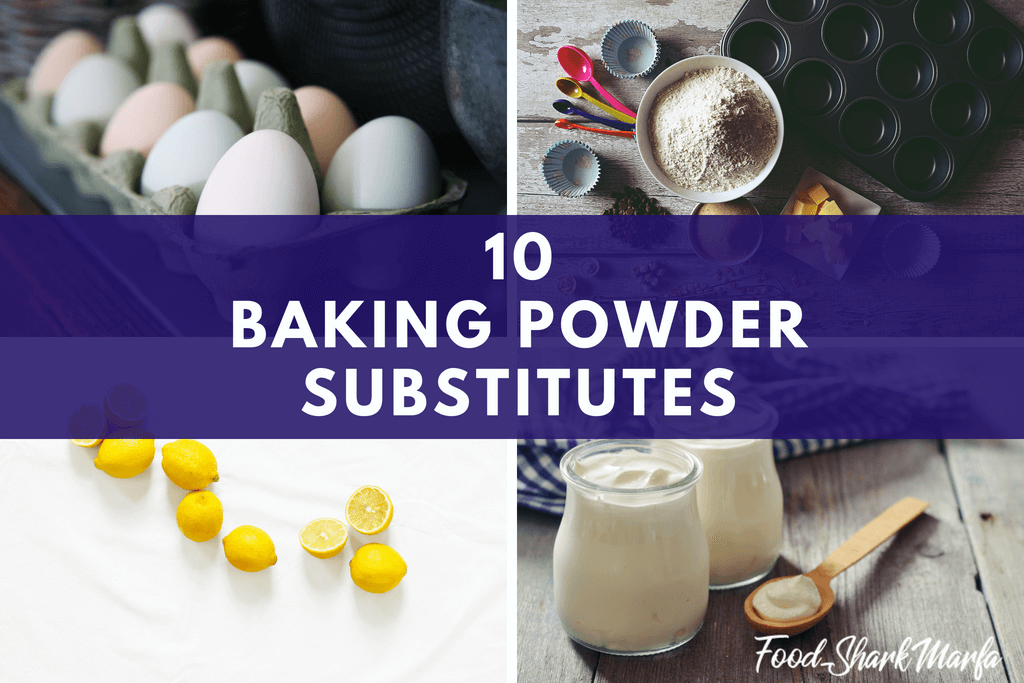 The 10 Best Baking Powder Substitutes We Bet You Didn’t Know About
Wait, can you just use nothing?
Technically, yes, but your outcome will be different. Without any leavener, you’ll get a dense, flat result—like a tortilla or a cracker. If that’s what you’re going for, awesome! But if you wanted a fluffy cake, you might be disappointed.
Sometimes, recipes that use cream of tartar or buttermilk already have enough acid to create a small reaction with the existing baking soda. But if you’re forcing a substitute out of thin air, the texture changes. It’s like driving a car without gas—the wheels will spin, but you won’t go far.
A fun comparison: baking powder is the friend who brings the whole party
Think of baking powder as that one friend who shows up with a cooler full of drinks, a Bluetooth speaker, and a playlist. Baking soda is the friend who brings the speakers but forgets the drinks—you need the acid friend to bring the lemonade. And egg whites? They’re the friend who shows up and just starts doing cartwheels.
Each substitute changes the vibe just a little. Some make your cake more tender, some make it more tangy, and some make it fluffier. That’s the cool part: you’re not just fixing a problem—you’re customizing your baked goods.
One last pro tip: don’t overmix!
No matter which substitute you pick, remember that the bubbles are fragile. Once you mix the batter, the chemical reaction starts immediately. So get it in the oven fast. If you stir it too long, you’ll pop all those tiny bubbles, and your cake will collapse like a sad, deflated balloon.
Treat the batter like a sleepy baby—gentle and quick. Just mix until combined, then into the pan and into the heat.
So, what’s the verdict?
Next time you find an empty baking powder tin, don’t panic. You are now a kitchen chemist with options. You can whip up a batch of baking soda and vinegar, fold in some fluffy egg whites, or even crack open a can of club soda. It’s all a little bit of science and a little bit of trust.
And honestly? Some of the best recipes in history were born out of a missing ingredient. So go ahead—experiment. What’s the worst that could happen? A flat pancake? That’s just a crepe in disguise. You’ve got this.
