What Can I Use Instead Of Self Raising Flour

There’s something oddly satisfying about wanting to bake a batch of fluffy scones or a light sponge cake, only to open the cupboard and realize you’re completely out of self-r...
There’s something oddly satisfying about wanting to bake a batch of fluffy scones or a light sponge cake, only to open the cupboard and realize you’re completely out of self-raising flour. Instead of dashing to the shop, you can feel a little thrill of resourcefulness. This topic is a practical kitchen lifesaver that home bakers, busy parents, and even seasoned chefs appreciate. The main purpose is simple: to let you keep baking without interruption, saving time and money. The benefit is that you’ll learn to rely on a few pantry staples instead of a specialty ingredient, which is especially handy during a lazy Sunday baking session or a last-minute dessert emergency.
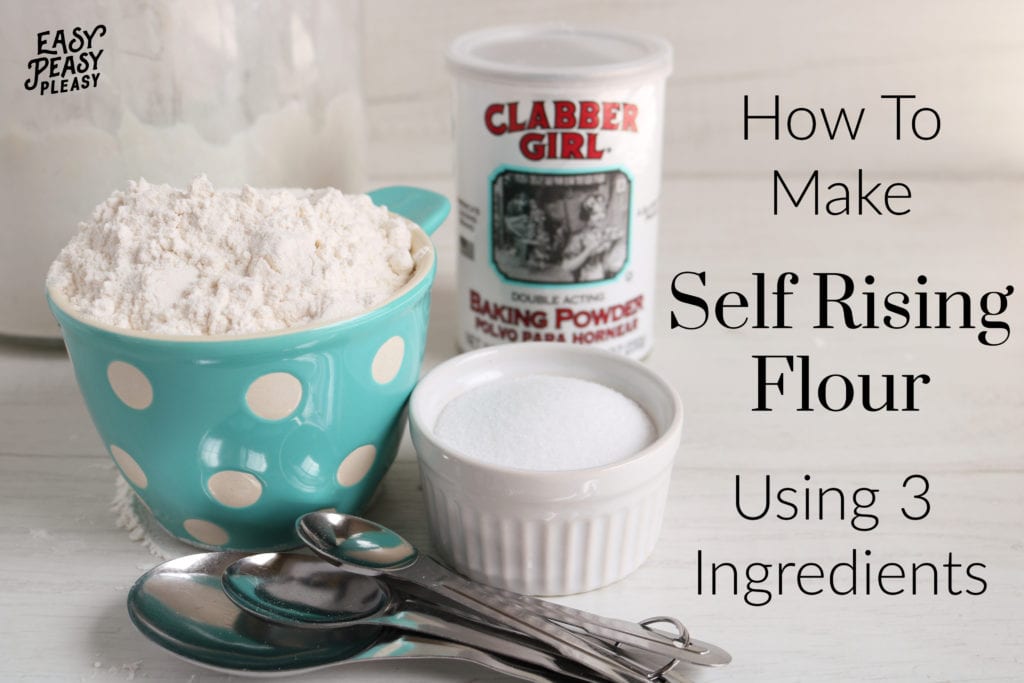
At its core, self-raising flour is just plain flour with a built-in leavening agent—usually baking powder and a pinch of salt. The most common and reliable substitute is to make your own. For every cup of all-purpose flour (around 120–130 grams), simply whisk in 1½ teaspoons of baking powder and a ¼ teaspoon of fine salt. This gives you the exact same lift and texture as store-bought self-raising flour. It’s a trick that experienced bakers use every day, because it also lets you control the freshness of your baking powder, which can go flat over time.
But what if you’re out of baking powder, too? Don’t panic. You can combine plain flour with buttermilk or a squirt of lemon juice. The acid in these ingredients reacts with a bit of bicarbonate of soda (baking soda) to create the same puff. For this variation, replace the baking powder in your DIY mix with ¼ teaspoon of bicarbonate of soda per cup of flour, and use buttermilk or milk with a teaspoon of vinegar as your liquid. The result is a slightly tangy, tender crumb that works beautifully in pancakes, scones, and quick breads. It’s a clever trick that home cooks love because it uses ingredients already in the fridge.
Must Read
Another simple swap that many people forget is self-rising cake flour from your supermarket shelf, but if that’s not an option, you can also use a blend of plain flour and a tiny bit of cream of tartar. Cream of tartar is the acidic component in baking powder. For each cup of plain flour, mix in ½ teaspoon of baking soda and 1 teaspoon of cream of tartar. This combination gives a very light, airy lift—ideal for delicate cakes or biscuits. It’s a bit more precise than the baking powder route, but well worth it if you have these ingredients in your spice drawer.
 Can You Use Bread Flour Instead of Self Raising? [The Conversion Ratio
For those following a gluten-free diet, the same principle applies. Use a gluten-free all-purpose flour blend, then add the same ratio of baking powder and salt. The key is to sift the mixture thoroughly to ensure even distribution, because gluten-free flours can clump. You can also add a ¼ teaspoon of xanthan gum if your blend doesn’t already include it; this helps mimic the structure that gluten provides. Many gluten-free bakers find this DIY approach more reliable than pre-mixed self-raising blends, which can vary in texture and flavor.
To make the most of these substitutes, always measure precisely and mix the dry ingredients before adding any wet ones. A whisk is your best friend here. Also, remember that self-raising flour alternatives work best in recipes that require a quick bake—like biscuits, muffins, and soda bread—rather than recipes that rely on long fermentation, such as yeast breads. Finally, store your homemade mix in an airtight container if you make a batch ahead, but use it within a month as the baking powder will gradually lose its fizz. With these tips, you’ll never panic over an empty bag of self-raising flour again. Instead, you’ll enjoy the creative freedom of turning your pantry into a personal baking toolkit, one whisk at a time.

