What Can I Use Instead Of Green Onions

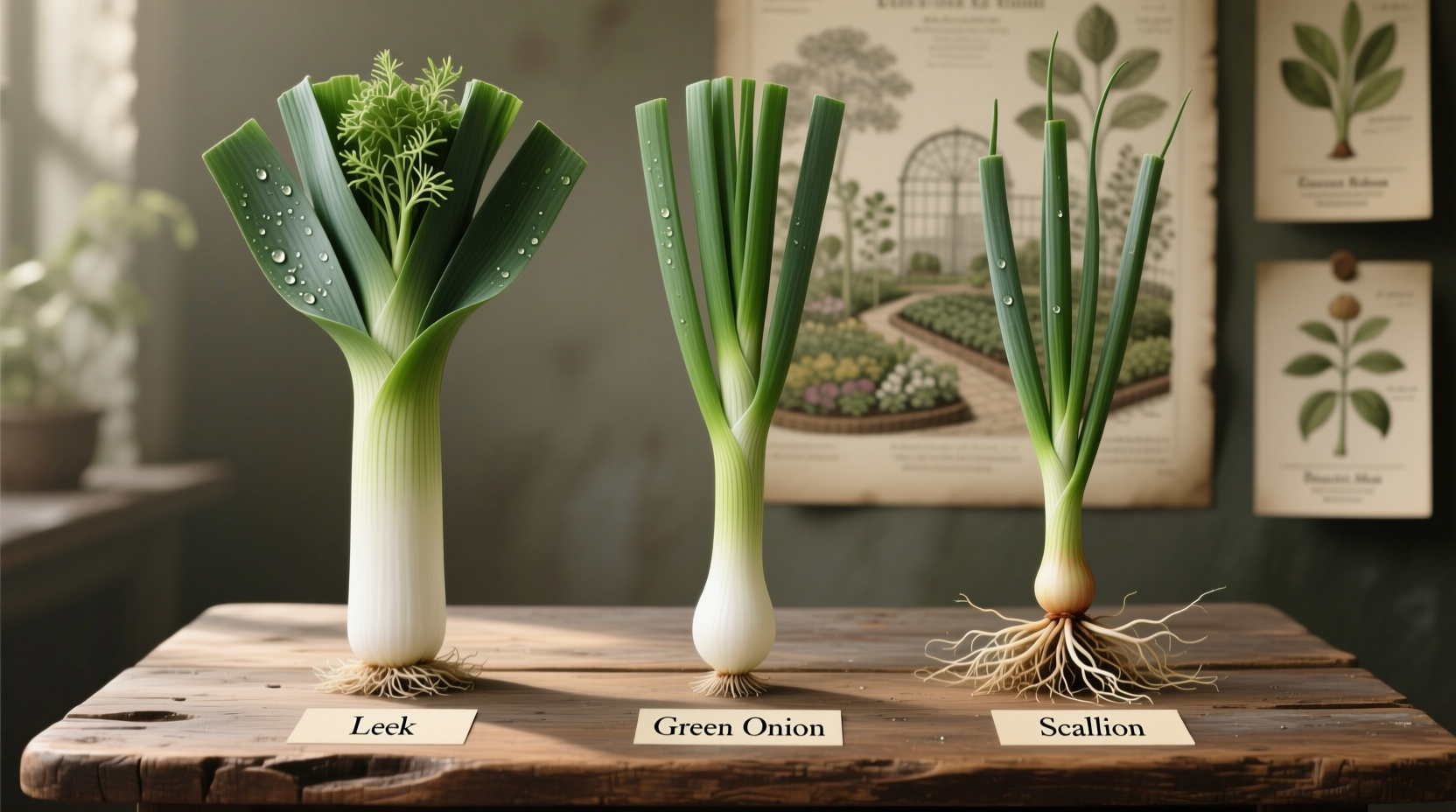
Green onions, also known as scallions, are one of the most versatile and popular garnishes in kitchens around the world. Their crisp texture, mild onion flavor, and vibrant gr...

Green onions, also known as scallions, are one of the most versatile and popular garnishes in kitchens around the world. Their crisp texture, mild onion flavor, and vibrant green color make them a favorite addition to soups, stir-fries, salads, and dipping sauces. Whether you are sprinkling them over a bowl of ramen or folding them into an egg dish, green onions add that perfect finishing touch that elevates a simple meal into something more satisfying and visually appealing.
The key purpose of green onions in cooking is to provide a fresh, onion-like aroma and flavor without the intensity of a full bulb onion. They are commonly used as a raw garnish, a quick stir-in for warm dishes, or a subtle seasoning in marinades and dressings. Their benefits for everyday life extend beyond taste; they are low in calories, rich in vitamin K, and add a satisfying crunch. For busy home cooks, keeping a bunch of green onions in the fridge means having a last-minute flavor boost ready at any time without much preparation.
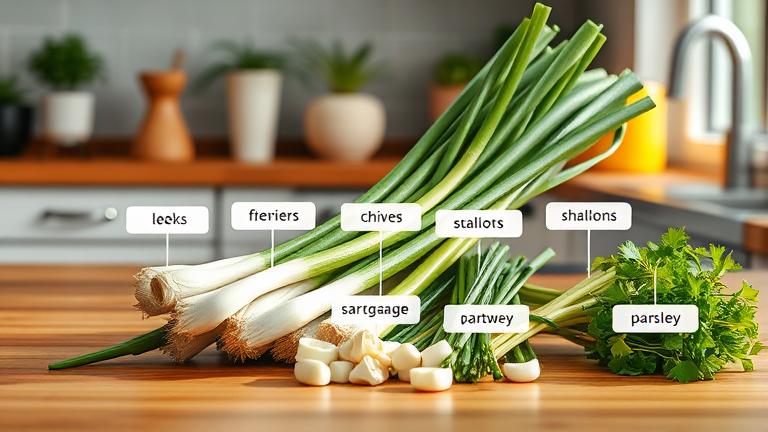
However, there are times when you might reach for green onions only to discover your fridge is bare. Perhaps you are meal-prepping in advance and want a substitute that keeps longer, or maybe you simply dislike their taste for a particular recipe. In these situations, knowing your alternatives can save a trip to the store. Chives are one of the closest replacements; they offer a similar mild, oniony flavor but are softer and more herb-like. Because chives are delicate, they work best sprinkled onto dishes just before serving, making them ideal for soups, omelets, and baked potatoes.
Must Read
If you need a substitute with more bite, consider shallots. Minced thinly, shallots provide a sharper, slightly sweet onion flavor that mimics the pungency of green onions quite well. They are excellent in stir-fries or Asian-inspired sauces. Another practical option is using regular yellow or white onions, finely diced and mixed into the dish during cooking rather than served raw. The key difference is that cooked regular onions lose much of their sharpness, giving you a mellow base without the fresh, green-layer crunch you would get from scallions.
For those who want to avoid onions entirely, perhaps due to dietary restrictions or personal preference, there are still routes worth exploring. Herbs like fresh parsley or celery leaves can provide a fresh green color and a mild, grassy note that brightens a dish. Bok choy greens, thinly sliced, also work surprisingly well in Asian recipes, offering both texture and a gentle vegetable flavor. Even a pinch of dried onion flakes rehydrated in a spoonful of warm water can rescue a recipe when nothing fresh is available.
 what is the substitution for green onions? - Test Food Kitchen
Ultimately, the best substitute depends on the specific dish you are preparing. For raw garnishes, chives or herbs like chervil are your best friends. For cooked applications, shallots or a small amount of finely diced sweet onion will deliver the result you need. For health-conscious eaters, neither option compromises the nutritional value of your meal significantly, so you can choose based on flavor and convenience alone.
To explore alternatives on your own, try this simple exercise: pick a recipe you love that calls for green onions, and next time make it with chives one night and minced shallot the next. Compare the flavor, aroma, and texture side by side. You will quickly discover which substitute feels most natural for your cooking style. Keep a small container of your preferred alternative on hand whenever possible, and you will never be caught off guard again. Experimenting with substitutes not only builds your kitchen confidence but also expands your culinary creativity far beyond a single ingredient.