What Can I Give My Cat For Upset Stomach

Welcome, fellow cat connoisseur and worried whisker-watcher! If you’ve ever heard that unmistakable hork-hork-hork sound from behind the sofa, or spotted a questionable puddle...
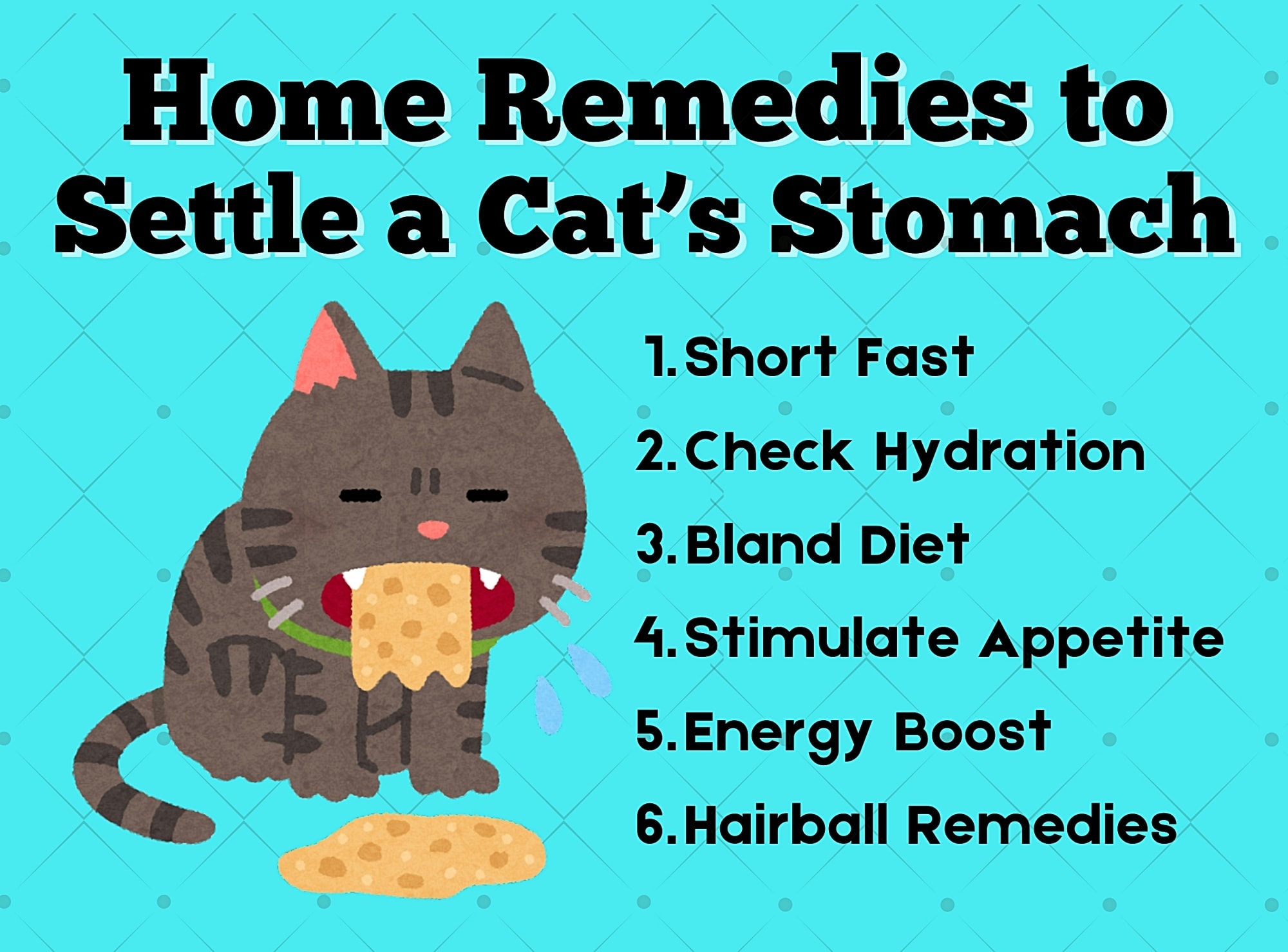
Welcome, fellow cat connoisseur and worried whisker-watcher! If you’ve ever heard that unmistakable hork-hork-hork sound from behind the sofa, or spotted a questionable puddle on the floor, you know the panic: “My cat has an upset stomach—what do I do?” This isn’t a grim medical lecture; it’s a fun, practical guide to turning your feline friend’s tummy troubles into a manageable (and even slightly heroic) adventure. The purpose here is simple: empower you with safe, vet-approved ideas that work like a charm, saving you a frantic trip to the clinic for every little grumble. The advantage? You’ll become your cat’s calm, resourceful sidekick, ready to soothe that rumbling belly with confidence and a dash of creativity.
First, let’s talk about the biggest no-no: human medication is a dangerous game. Never, ever give your cat over-the-counter antacids or pain relievers like Pepto-Bismol, Tylenol, or ibuprofen. These can be toxic and cause severe damage. Instead, start with the simplest, safest idea: a 12- to 24-hour fast. Yes, your cat might give you the dramatic “I’m starving” eyes, but skipping one meal gives the digestive tract a break. But—and this is crucial—never withhold food from kittens or cats with underlying health issues without a vet’s go-ahead. The creative twist? Offer plain, unseasoned, canned pumpkin (not pie filling!). A teaspoon mixed into bland food is a tummy-taming superfood packed with soluble fiber that absorbs excess liquid and settles inflammation. It’s like a gentle, orange-colored hug for the gut.
Now, let’s dive into the bland diet—your cat’s version of chicken soup for the soul. The gold standard is a mix of boiled, skinless, boneless chicken breast (shredded into tiny pieces) and plain white rice or boiled potato. Serve it in small, frequent portions—think of it as a detox spa menu. Another creative idea: bone broth (unsalted, no onions or garlic). Warm it up and offer a few tablespoons as a hydrating, soothing treat. Pro tip: Freeze it in ice cube trays for a cool, lickable “popsicle” that your cat might find irresistible. Why does this work? The low-fat, easily digestible ingredients give the irritated stomach a break while still providing energy. Your cat will think you’re a culinary wizard—and you are, because you’re using science and love in equal measure.
Must Read
Hydration is the unsung hero of upset stomach remedies. A queasy cat often avoids water, which can lead to dehydration—a dangerous spiral. Here’s a fun trick: add extra water to their bland food to create a soupy, slurpable texture. Or, invest in a pet water fountain; the moving water triggers a cat’s natural instinct to drink from fresh sources. Feeling extra creative? Brew a little catnip tea (steep dried catnip in hot water, then cool it completely). Catnip is a mild antispasmodic that can ease cramping. Offer it in a saucer or syringe (without needle) for small sips. The key is temptation—make hydration an irresistible game. And always have fresh, clean water available in a separate bowl, because sometimes the simplest solutions win.
What about those probiotics you’ve heard about? Yes, please! A cat’s gut health relies on good bacteria, and an upset stomach can wipe them out. You can buy vet-specific probiotic powders designed for felines—sprinkle one over the bland chicken or pumpkin. Another creative idea: a dollop of plain, unsweetened, live-culture yogurt (only if your cat tolerates dairy—many cats are lactose intolerant, so start with a tiny amount). For a more gentle alternative, try a teaspoon of kefir, which has fewer lactose issues. These probiotics act like a microscopic cleanup crew, restoring balance so the tummy can heal faster. Just remember: consistency matters. Keep the diet simple for 48 hours before gradually reintroducing their regular food mixed with the bland stuff.
 What To Give My Cat For Upset Stomach | Detroit Chinatown
Now for the red flags that mean stop experimenting and call the vet immediately. If your cat shows blood in the vomit or stool (looks like coffee grounds or bright red), has a fever (check for warm ears or lethargy), is hiding more than usual, or if the vomiting/diarrhea lasts more than 24 hours—do not pass go, do not offer pumpkin. Also, watch for signs of pain like growling when you touch their belly, or a hunched posture. These could signal pancreatitis, an intestinal blockage (like from eating a hair tie or toy), or an infection. Your number one tool is observation: note when the symptoms started, what they ate last, and any behavioral changes. This info helps your vet solve the mystery fast.
Finally, let’s end on a heartening note: most mild upset stomachs resolve in 24–48 hours with these gentle, low-stress methods. To keep things fun and preventative, consider making a “tummy first-aid kit” for your cat. Include a can of pumpkin, a bag of dehydrated chicken, a probiotic sachet, and a small dropper for broth. Store it in a place you’ll remember during a 3 a.m. crisis. You’ll feel like a prepared scout, and your cat will benefit from your proactive love. So next time you hear that telltale sound, take a deep breath. You’ve got this—armed with bland rice, pumpkin magic, and a whole lot of paw-sitive energy. After all, every cat deserves a human who knows that a simple, kind gesture—like a warm bowl of chicken soup—can turn a rumbly tummy into a purring, grateful friend.
