What Can Be Used Instead Of Butter

Butter holds a cherished place in kitchens worldwide, prized for its rich flavor, creamy texture, and ability to transform simple ingredients into golden, flaky, and satisfyin...

Butter holds a cherished place in kitchens worldwide, prized for its rich flavor, creamy texture, and ability to transform simple ingredients into golden, flaky, and satisfying dishes. Whether slathered on warm toast, creamed into cake batter, or sizzled in a hot pan for eggs, its unique versatility is hard to replicate. Yet, for many, a switch is necessary—due to lactose intolerance, a vegan lifestyle, heart health concerns, or simply running out of a staple. The good news is that numerous substitutes exist, each capable of delivering the moisture, fat, and structure that butter provides, often with distinct benefits of their own.
The key purpose of butter in cooking is to add fat, which carries flavor, creates tenderness in baked goods, and prevents sticking. Understanding this allows you to choose a substitute based on your need: spreadability, high-heat cooking, or structural baking. For everyday life, switching to alternatives can reduce saturated fat intake, avoid dairy allergens, or introduce new, exciting flavors. A person making sourdough toast, for instance, might crave a creamy spread, while a baker preparing shortbread needs a solid fat that holds its shape—these scenarios call for different solutions.
For spreading and general cooking, consider olive oil. A high-quality extra virgin variety adds a peppery, fruity note that elevates vegetables, pasta, and bread. It is rich in monounsaturated fats, making it a heart-healthy choice. Similarly, coconut oil is a solid at room temperature and works beautifully in sautéing, though it imparts a subtle coconut flavor. For a direct butter replacement in mashed potatoes or on corn, try ghee (clarified butter) if dairy sensitivity is mild, or avocado, which provides creamy, nutrient-dense fat without any dairy at all.
Must Read
When baking, the substitution calculus changes. Butter’s water content (about 15-20%) and its ability to cream with sugar are critical. Coconut oil works well for cookies and quick breads, but it must be used solid (not melted) to mimic butter’s structure. Unsweetened applesauce can replace half the butter in muffins and cakes to drastically cut fat and calories, though it yields a denser, moist crumb. For a more precise swap, margarine (choose one with no trans fats) or vegan butter sticks (like those made from almond, soy, or avocado oil) are engineered to behave almost identically to dairy butter in pie crusts and pastries.
A notable benefit of many butter alternatives is improved nutritional profiles. For example, replacing butter with nut butters (like almond or peanut) in certain recipes adds protein, fiber, and healthy fats—transforming a simple oat cookie into a more satiating snack. Pumpkin purée or mashed banana can substitute for butter in brownies and pancake batters, reducing saturated fat while introducing natural sweetness and vitamins. These swaps demonstrate that moving away from butter doesn't mean sacrificing flavor; it often means gaining new layers of taste and health benefits.
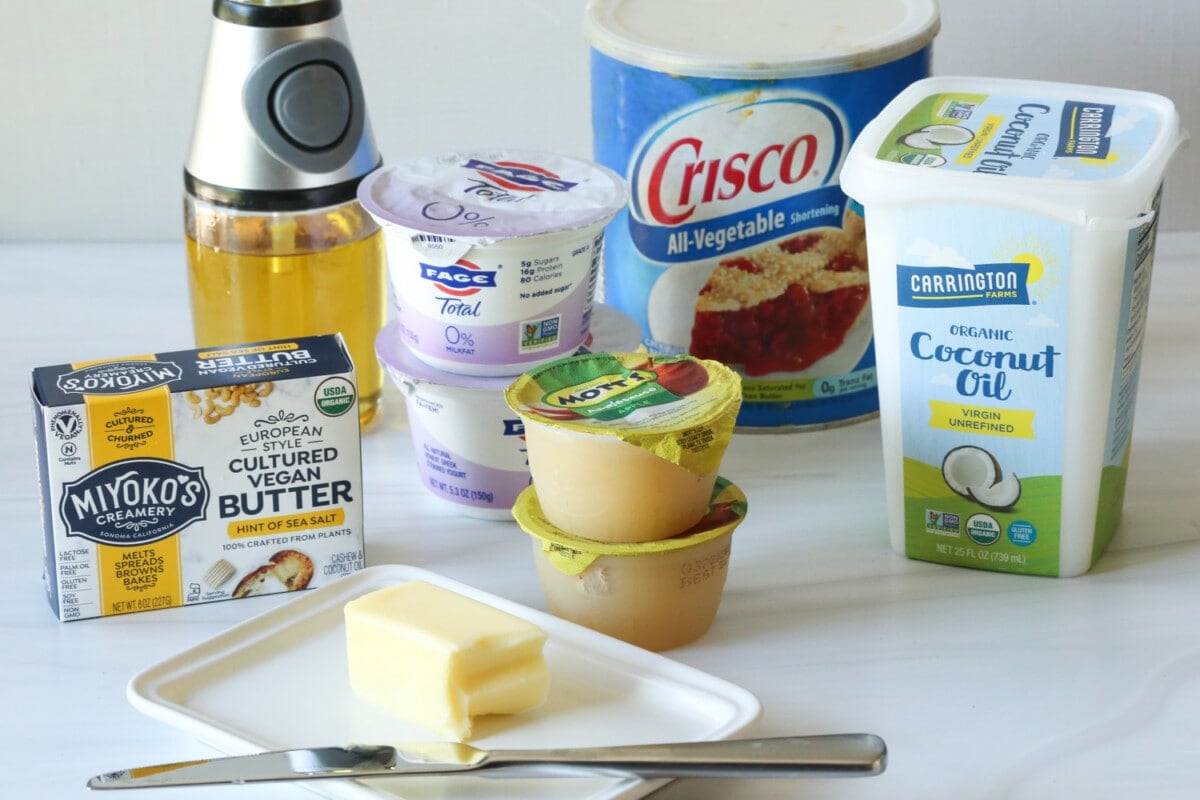 List Of Butter Substitutes , The 10 Best Butter Substitutes To Use When
To explore substitutes on your own, start with these simple tips. First, match the fat content: for every 1 cup of butter in a recipe, use ¾ cup of vegetable oil or melted coconut oil for a moist result. Second, for baking recipes relying on creaming, use a solid fat like vegan baking sticks or refrigerated coconut oil, and cream them with sugar for the same amount of time. Third, experiment with flavor balance: if using olive oil, choose a mild, buttery variety for delicate cakes; if using applesauce, add a touch of extra baking soda to help with rising. Finally, always consider the salt factor: many butter substitutes are unsalted, so adjust your recipe’s salt accordingly. Starting with a simple batch of biscuits using alternative butter or oil can reveal just how adaptable your cooking can be.
Ultimately, the question of what to use instead of butter is an opportunity to broaden your culinary toolkit. Whether you are seeking health improvements, dietary compliance, or simply adventure, these substitutes prove that necessity is the mother of delicious invention. A dairy-free chocolate chip cookie, a silky olive oil cake, or a perfectly scrambled egg cooked in ghee—each is a testament to how a single swap can unlock new textures and pleasures. Embrace the exploration, and let your kitchen become a place where creativity truly meets function.
