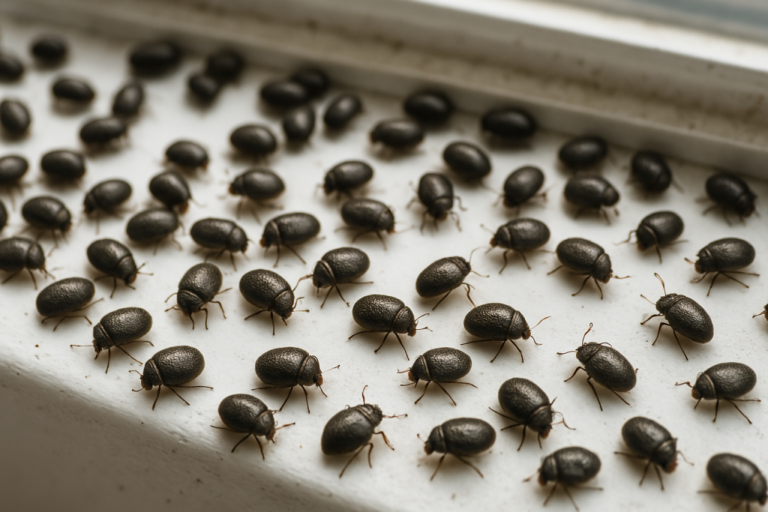
What Attracts Beetles In Your House

Welcome to the surprisingly fascinating world of the beetles in your home! While finding an unexpected six-legged guest scurrying across your kitchen floor might make you jump...
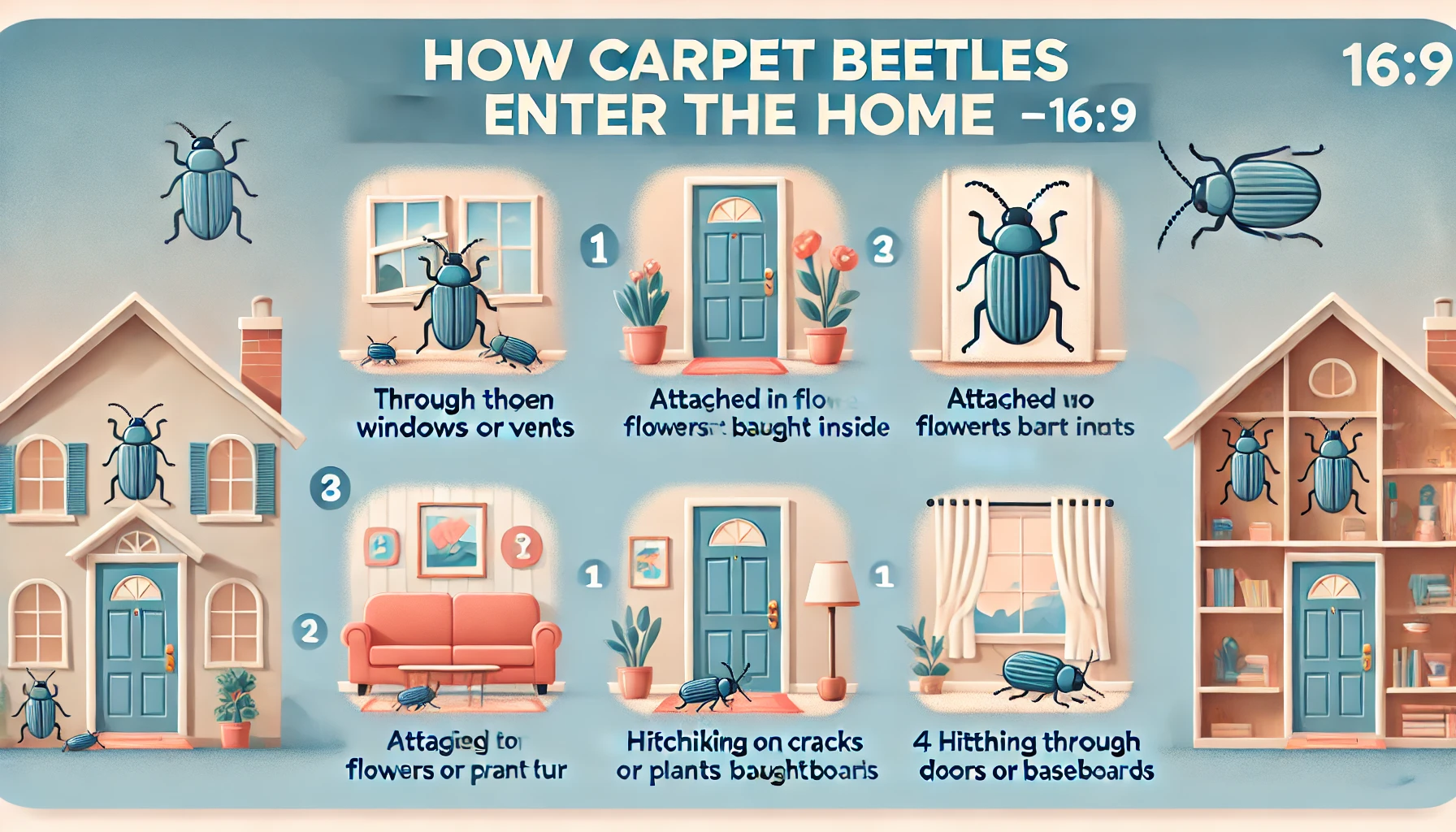
Welcome to the surprisingly fascinating world of the beetles in your home! While finding an unexpected six-legged guest scurrying across your kitchen floor might make you jump, figuring out why they’re there is actually a fun detective game. This isn’t just about getting rid of pests; it’s about understanding your home’s unique ecosystem. The advantages of this knowledge are huge: you’ll save money on pest control, protect your belongings, and feel like a true home scientist. So, grab a notepad (and maybe a flashlight), because we’re about to become beetle whisperers.
So, what’s the main attraction? It often boils down to the big three: food, moisture, and shelter. Beetles are incredibly efficient foragers, and your house, to them, is a luxurious resort. Think about it: a forgotten cracker under the couch is a five-star dinner for a carpet beetle larva. A leaky pipe under the sink? That’s a tropical paradise for a ground beetle seeking a drink. Even a pile of old newspapers in the corner offers a cozy, dry shelter from the rain. By seeing your home from a beetle’s perspective, you can identify the tiny invitations you’re unconsciously sending out. The most common culprits are larder beetles (who love your pet food), carpet beetles (who adore wool sweaters and feathers), and ladybugs (who just want a warm place to hibernate).
Let’s dive into some creative examples of these attractions. Imagine you’ve left a bag of birdseed open in the garage. Within a week, you might see mealworms (the larvae of darkling beetles) happily munching away. That’s not a flaw in your house; that’s a beetle buffet! Or, consider the classic case of the carpet beetle mama. She is looking for a dark, undisturbed spot with natural fibers—like your vintage wool rug in the rarely used guest room. She’s not being malicious; she’s just following her instinct to lay eggs where babies will have plenty of food (those fibers, dead skin cells, and pet hair). Another fun example is the click beetle, which sometimes sneaks in through torn window screens. It’s attracted to the lights of your TV or laptop at night, thinking it’s a bright moonlight meadow. They’re harmless, but they can launch themselves with a fantastic click and flip over—which is, frankly, a cool party trick.
Must Read
Now, for the practical advice that turns you into a beetle-proofing pro! The first step is to inspect your perimeter. Use a flashlight to check the gaps under doors, around window frames, and where pipes enter your walls. A gap the size of a dime is a wide-open highway for a beetle. Seal these with caulk or weatherstripping. Next, embrace the power of the deep clean. Vacuuming isn’t just about appearances; it’s about removing beetle eggs, larvae, and their food sources. Pay special attention to corners, under furniture, and along baseboards. Don’t forget to empty the vacuum canister outside immediately—otherwise, you’re just inviting them to a post-vacation party in the bag.
Your pantry is ground zero. Store all dry goods—flour, pasta, cereal, beans, and especially pet food—in airtight glass, metal, or hard plastic containers. Cardboard boxes are not barriers; beetles can chew right through them. If you find an infestation in a box of crackers, throw the whole box away immediately. Then, thoroughly clean the shelf with soap and water or a vinegar solution. Another golden tip: reduce moisture. Fix leaky faucets, use a dehumidifier in damp basements, and ensure your bathroom fan works well. Many beetles, like the mildew beetle, are drawn to damp wood and high humidity, so a dry home is an unappealing home.
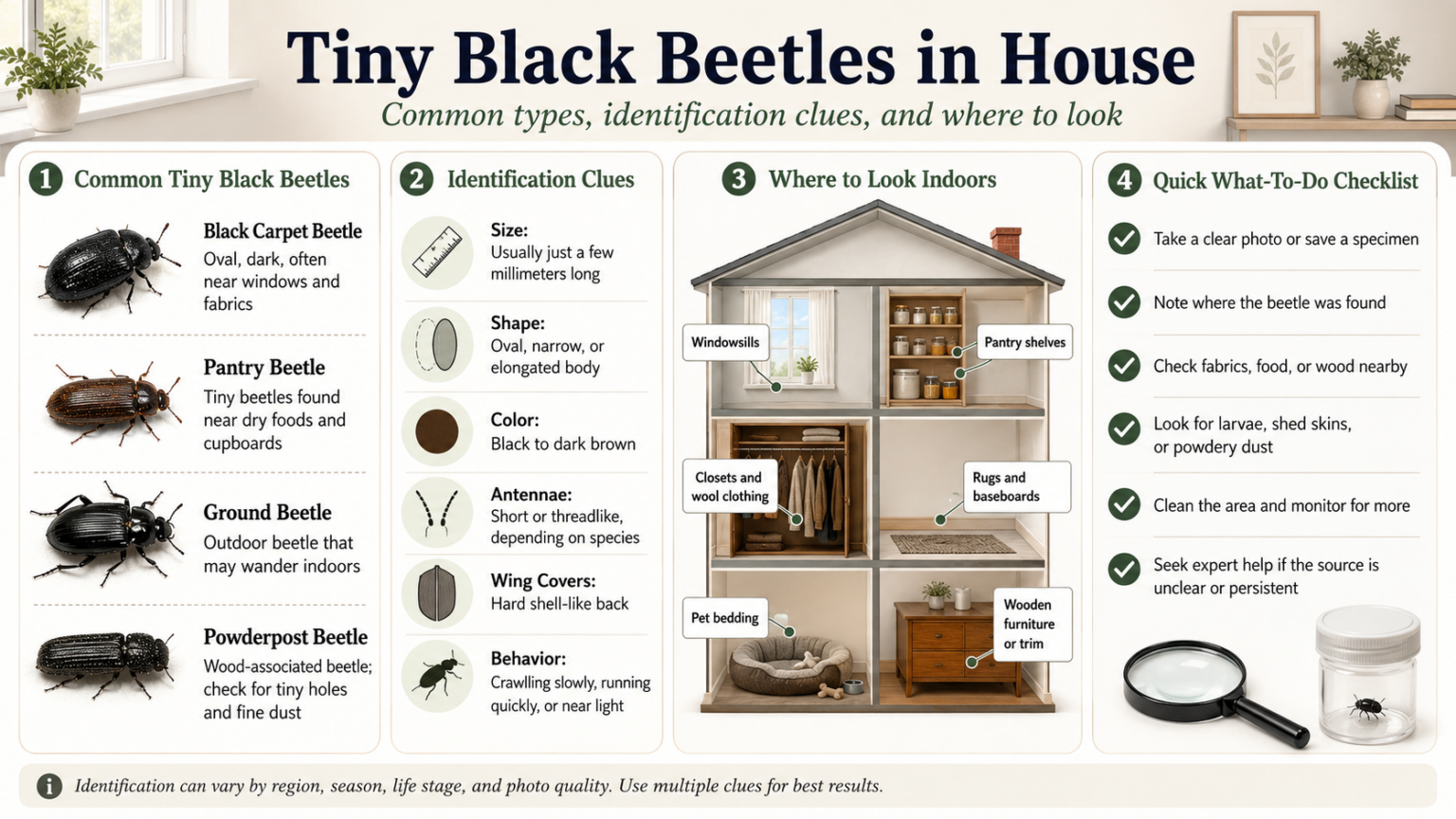 Tiny Black Beetles in House: Identification Guide, Causes, and What to Do
For a more advanced tip, consider the power of light management. Many beetles are nocturnal and are attracted to porch lights and windows at night. Switch your outdoor lights to yellow “bug lights” or sodium vapor bulbs, which are less attractive to insects. Also, keep your curtains or blinds closed at night so indoor lights don’t signal a nightly welcoming beacon. If you find a few beetles near a window, they may have entered from outdoors, drawn to the light, and then gotten trapped. Just scoop them up gently and release them outside.
Remember, finding one or two beetles doesn’t mean your house is dirty—it just means it’s part of the natural world! The goal isn’t to live in a sterile bubble but to be an intentional host. By removing the free food, sealing the open doors, and controlling the humidity, you make your home less interesting to beetles. You can even have fun with it. Start a “beetle log” for a week, noting where you find them. Is it always near the pet food bowl? The damp bathroom rug? The old bookcase? This data turns you into an expert. With a little effort, you’ll reclaim your space, keep your wool sweaters safe, and maybe even appreciate the cleverness of these little visitors—from a respectful distance.