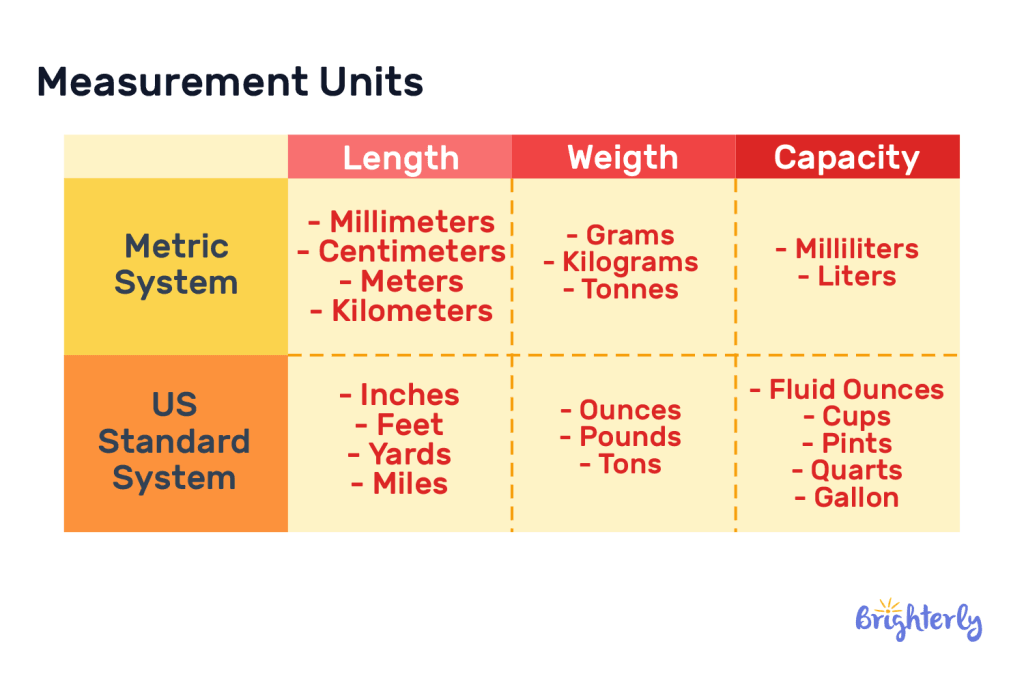
What Are The Two Types Of Measurements

Welcome aboard, curious minds! Understanding measurement is one of the most fundamental yet surprisingly fun skills you can pick up in everyday life. Whether you're baking the...
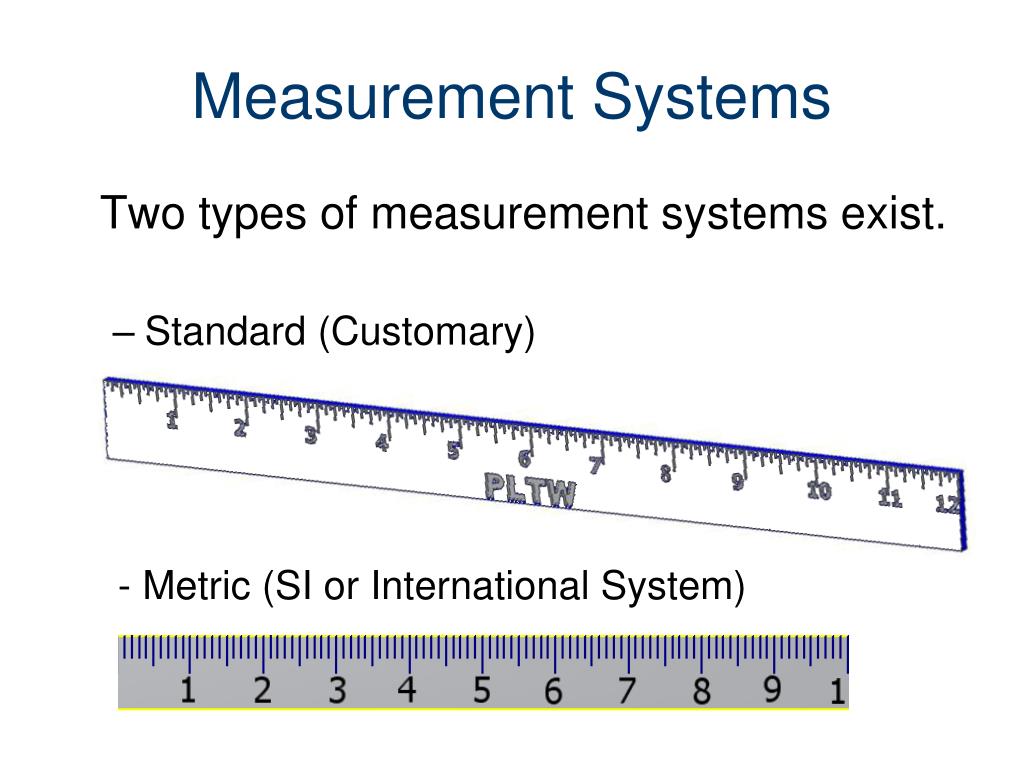
Welcome aboard, curious minds! Understanding measurement is one of the most fundamental yet surprisingly fun skills you can pick up in everyday life. Whether you're baking the perfect cake, planning a renovation, or simply satisfying your natural curiosity, knowing how to measure things accurately gives you a powerful advantage. Measurement helps us communicate clearly, make smarter decisions, and even discover patterns in the world around us. In this friendly guide, we'll explore the two types of measurements — qualitative and quantitative — and show you why they both matter more than you might think.
At its core, measurement is the process of determining the size, length, amount, or value of something using a standardized system. The purpose of measurement is to bring objectivity and consistency to how we observe and compare things. Without it, we'd be stuck making vague guesses like "that box is kind of heavy" or "the room is kind of cold." By using proper measurements, we can eliminate ambiguity, share exact information with others, and base our choices on solid facts rather than hunches. This clarity is especially valuable in science, engineering, cooking, and countless other fields where precision truly counts.
Now, let's introduce the star of our show: the two types of measurements. The first type is qualitative measurement, also known as descriptive or subjective measurement. This type focuses on qualities, characteristics, and attributes that describe how something looks, feels, or behaves without assigning a specific number. For example, describing a fabric as "soft" or "rough" is a qualitative measurement. Saying a sound is "loud" or a flavor is "bitter" also falls into this category. Qualitative measurements use words, labels, and categories to place things into groups, making them incredibly useful when you need to communicate a general sense of something rather than an exact figure. Think of it as painting a picture with words instead of drawing blueprints.
Must Read
The second type of measurement is quantitative measurement, which deals with numbers, amounts, and magnitudes. This type answers questions like "how many," "how much," "how far," and "how long." When you weigh a bag of rice, time a race, measure the length of a table, or read the temperature on a thermometer, you're using quantitative measurements. These can be further divided into discrete measurements — counting whole items like apples or people — and continuous measurements — capturing values along a scale, like distance in meters or time in seconds. Quantitative data is the backbone of science, data analysis, and decision-making, providing the hard numbers we need to test hypotheses and track progress.
Let's get creative with some real-world examples to see both types in action. Imagine you're planning a dinner party. Qualitative measurement helps you assess whether the tablecloth colour matches the décor, whether the music vibe feels right, or whether guests describe the dishes as "delicious" or "too salty." Meanwhile, quantitative measurement kicks in when you calculate the exact number of plates needed, measure the oven temperature to 200 degrees Celsius, time each cooking step, and weigh ingredients to the nearest gram. In sport, a coach might note that a player has "excellent stamina" (qualitative) alongside the fact that she runs the mile in 6 minutes and 30 seconds (quantitative). Together, both types of measurement give you a complete and well-rounded picture.
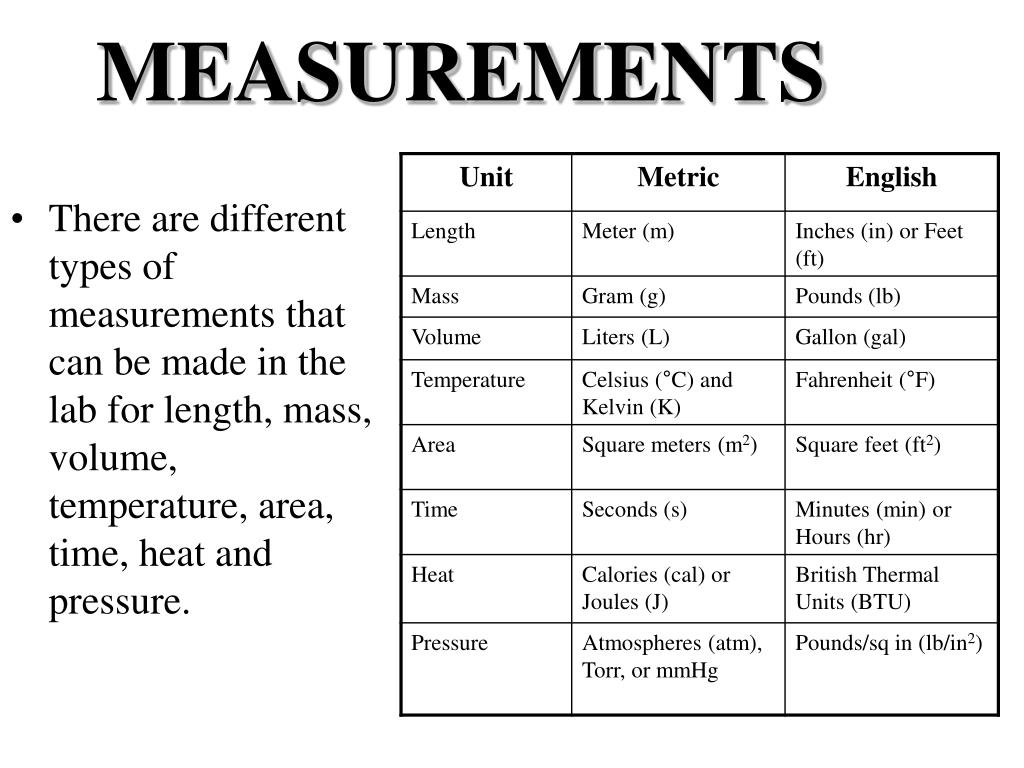 PPT - MEASUREMENTS PowerPoint Presentation, free download - ID:351178
So, how can you start using these two types of measurement more intentionally in your own life? Here's some practical advice. First, ask yourself what kind of information you need. If you're looking for a general impression, prioritize qualitative descriptions — pick three descriptive words to capture what you're observing. If you're seeking precision, reach for a tool that gives you a number: a ruler, scale, stopwatch, app, or calculator. Second, combine both types whenever possible. Studying for an exam, for instance, benefits from both understanding how confident you feel about a topic (qualitative) and tracking how many practice questions you've correctly answered (quantitative). Finally, keep a simple measurement journal — jot down both descriptive notes and numerical data for everyday projects like gardening, workouts, or budgeting. Over time, you'll spot trends and make much better choices.
Measurement, in its two beautiful forms, is far more than an academic concept — it's a practical life skill that sharpens your thinking and empowers your decisions. By understanding the difference between qualitative and quantitative measurements, you gain the ability to describe the world with vivid words and back it up with reliable numbers. So the next time you pick up a measuring tape or reach for adjectives, remember: you're tapping into one of humanity's oldest and most powerful habits. Happy measuring!