What Are The Regulations For Liquids On Airplanes

Let’s be real—nothing kills the pre-trip buzz quite like watching a TSA agent toss your favorite shampoo into the bin. The 3-1-1 rule for liquids is one of the most popular an...

Let’s be real—nothing kills the pre-trip buzz quite like watching a TSA agent toss your favorite shampoo into the bin. The 3-1-1 rule for liquids is one of the most popular and useful travel regulations out there, because it’s the difference between a smooth security line and a meltdown. It matters because it keeps you, your family, and entire planeloads of strangers safe from potential threats. For a busy parent, knowing these rules means no tearful goodbye with a precious jar of baby food. For a community of business travelers, it means zero last-minute scrambling and fewer missed flights.
Think of the real-life examples: You’re on a weekend trip and that full-sized bottle of sunscreen gets flagged. Instead of a fight, you just wave it goodbye because you already packed a 3.4-ounce travel tube in your quart-sized bag. Or picture a family of five—each person gets their own clear bag with mini toothpaste, tiny lotions, and snack-sized hand sanitizers. This isn’t just a rule; it’s a survival hack that lets your whole group breeze through security like pros. That’s why understanding the “why” behind the regulation turns a headache into a smooth, high-five moment.
Here’s the simple breakdown: All liquids, gels, aerosols, creams, and pastes must be in containers of 3.4 ounces (100 milliliters) or less. These containers must fit comfortably into a single, clear, quart-sized, zip-top bag. And yes, that bag must be easy to grab and place in a bin for screening. The big exception is for medically necessary liquids and baby formula or breast milk—those can be in larger quantities, but you’ll need to declare them separately at the checkpoint.
Must Read
To apply this easily, start before you pack. Buy a travel-sized kit from a drugstore or fill up reusable bottles at home. Use a clear plastic bag so an agent can see everything at a glance. And here’s a pro tip: put that liquids bag on top of your carry-on, not buried under four layers of clothes. For families, make each person responsible for their own bag—kids love being in charge of their own little “security kit.”
Another smart move: don’t push the limits. Even if a container says “3.4 oz” but feels half-empty, an agent might still measure it. Also, remember that solid items—like stick deodorant, lip balm, and bar soap—are generally not under this rule. Pack those freely. And if you’re bringing duty-free liquids from your departure airport, carry them in a special sealed, tamper-evident bag with your receipt visible.
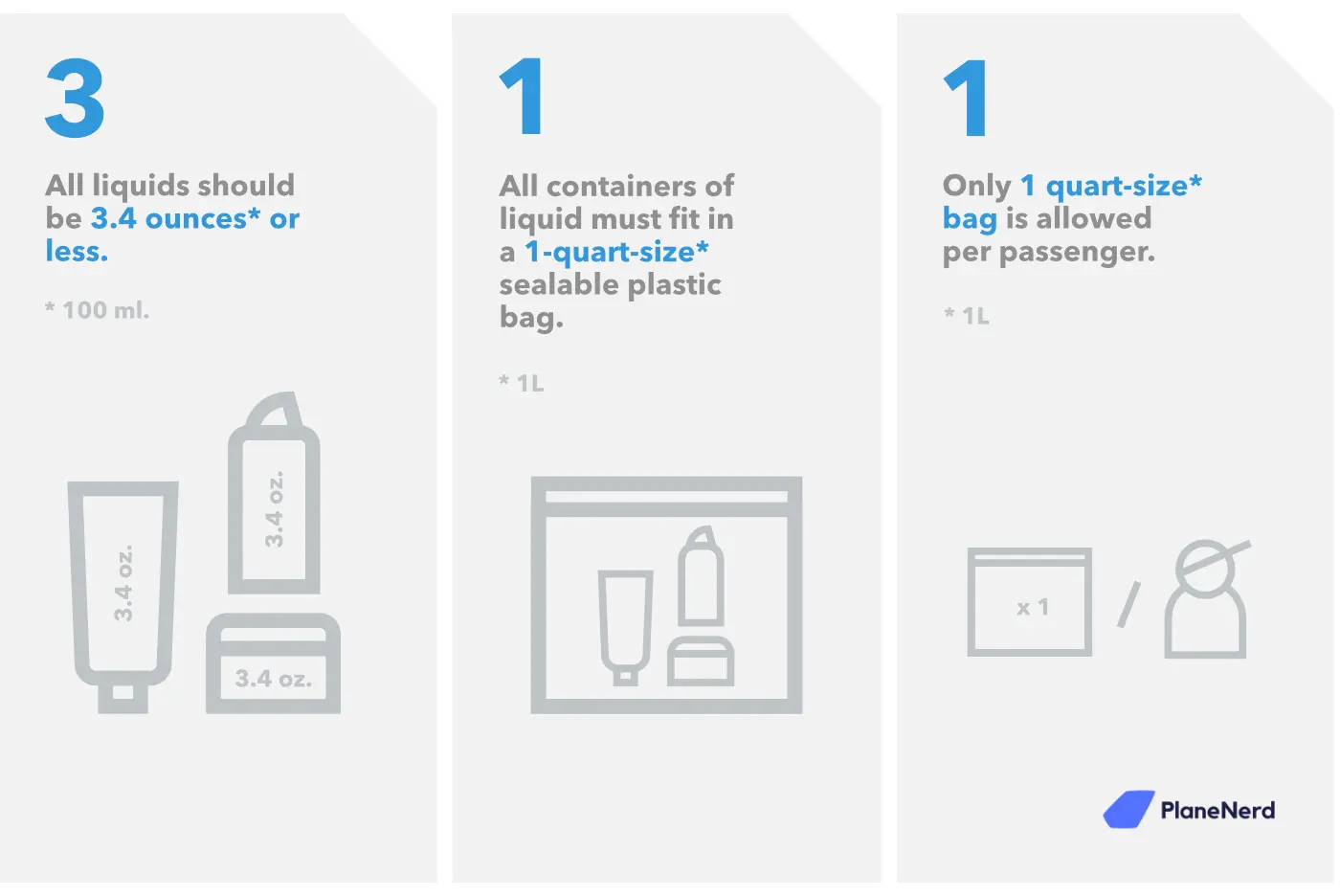 How Big Liquid On Airplane | Everything You Need to Know About TSA
For international flights, check specific countries’ rules because some tighten or loosen the 3-1-1 rule. For example, the European Union has a similar but slightly different enforcement. Always check your airline’s or aviation authority’s website before you head out. One quick search can save you from tossing that expensive perfume or special sauce.
In the end, the liquid regulation is your friend, not your enemy. It keeps everyone safe, speeds up lines, and protects your favorite products. With these simple steps—get the right bag, measure your bottles, and declare extras—you’ll glide through security. So pack smart, stay calm, and enjoy the freedom of a worry-free trip. That’s worth a little advance planning, right?
