What Are The Names For The Ninja Turtles

For millions of fans around the world, the Teenage Mutant Ninja Turtles represent more than just a cartoon or a movie franchise; they are a beloved touchstone of pop culture t...

For millions of fans around the world, the Teenage Mutant Ninja Turtles represent more than just a cartoon or a movie franchise; they are a beloved touchstone of pop culture that blends action, humor, and the timeless appeal of brotherhood. People cherish these four reptilian heroes because they offer an escape into a world where pizza-fueled adventures and martial arts mastery coexist with relatable family dynamics. The key purpose of knowing their names—and the meaning behind them—goes beyond simple trivia: it deepens our appreciation for how distinct personalities can work together to overcome challenges. In everyday life, this lesson is invaluable, reminding us that diverse strengths, when united, create a powerful team. Whether you’re a parent bonding with a child over a Saturday morning cartoon or a fan revisiting the comics, the turtles’ names serve as a gateway to understanding character, resilience, and camaraderie.
The names themselves—Leonardo, Michelangelo, Donatello, and Raphael—are direct homages to Italian Renaissance artists, a clever choice by creators Kevin Eastman and Peter Laird that adds a layer of intellectual charm. This naming convention is not accidental; it reflects the turtles’ unique blend of brute force and refined skill. Each name carries the weight of history, subtly suggesting that these green-skinned warriors are not just brawlers but also thinkers, creators, and strategists. For instance, when you hear Donatello, you might recall the sculptor of David, which perfectly aligns with the turtle’s role as the inventor and brainiac of the group. Similarly, Michelangelo evokes the vibrant frescoes of the Sistine Chapel, mirroring the party-loving, free-spirited nature of the turtle who wields nunchucks. This artistic foundation gives the franchise an unexpected educational twist, making it easy for fans to connect a pop-culture hero with an actual historical figure.
Beyond the Renaissance references, each name functions as a clear shorthand for personality and purpose. Leonardo (Leo), the leader, wears a blue mask and wields twin katanas; his name suggests a master of discipline and strategy, much like the real Leonardo da Vinci was a master of multiple arts. Raphael (Raph), in red, is the passionate, aggressive fighter whose sai blades echo the intense, sometimes turbulent spirit of the painter Raphael. Donatello (Donnie), in purple, is the brainy, tech-savvy inventor whose bo staff signifies his ability to keep enemies at a distance while his mind works on solutions. Finally, Michelangelo (Mikey), in orange, is the freewheeling, comedic soul whose nunchucks and love for pizza embody chaos and joy. In real-life scenarios—whether you’re organizing a group project at work or coaching a youth sports team—this naming model highlights the importance of role clarity. A team needs a leader, a planner, a doer, and a morale booster, and the turtles’ names instantly signal who plays which part.
Must Read
To use this knowledge in everyday life, consider how the turtles’ names can serve as fun, memorable tools for communication. For example, if you’re leading a team meeting and need to assign tasks, you could jokingly say, “We need a Donatello to run the data analysis,” or “We need a Michelangelo to keep the energy up.” This pop-culture reference can lighten the mood while clearly delegating responsibilities. In a classroom or family setting, discussing the names can spark conversations about history, art, and personality types. Parents might use the turtles as a way to teach children that everyone has a unique contribution to make, just as each turtle’s distinct name defines their approach to saving New York City from the Foot Clan. Scenario: Imagine a child struggling with math homework; you could say, “Be like Donatello—grab your pencil and think like an inventor!” This turns a mundane task into a playful challenge tied to a familiar hero.
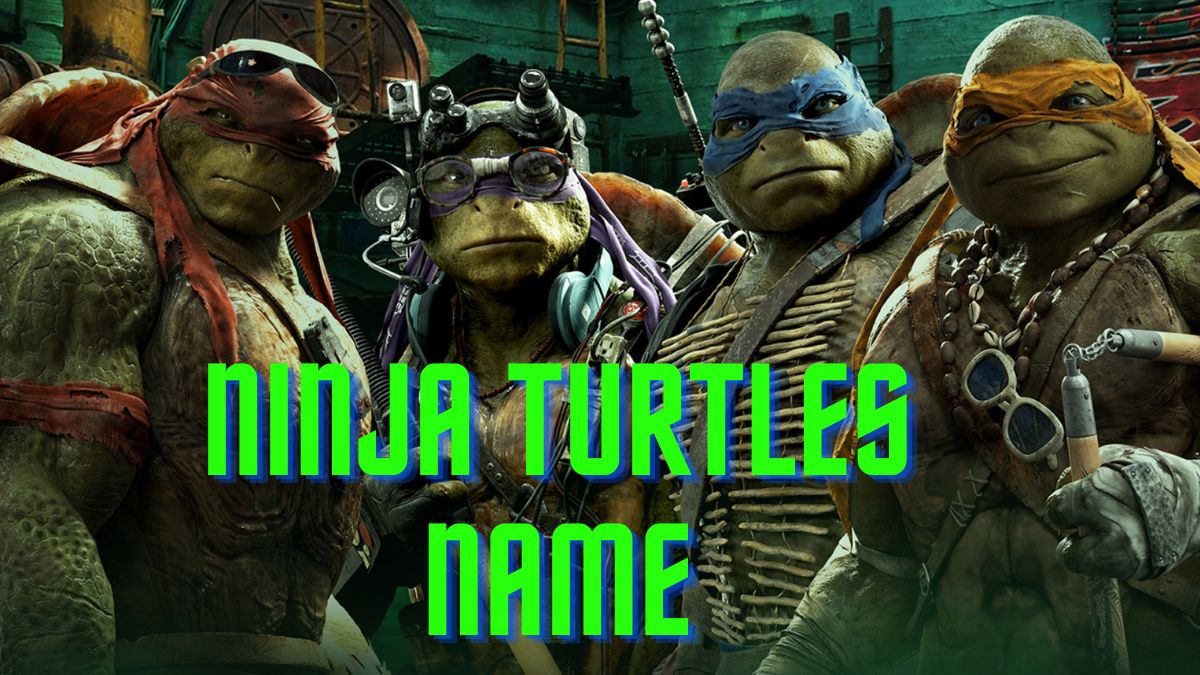 Alle Ninja Turtles Namen : What Are the Teenage Mutant Ninja Turtles
For those eager to explore the turtles’ world on their own, there are simple and enjoyable ways to dive deeper. First, watch the 1990 live-action film or the 2012 animated series to see how each turtle’s name influences their dialogue and fighting style. Pay attention to how Leonardo often hesitates before a decision, while Raphael charges in without thinking—their names foreshadow their behaviors. Second, read a few pages of the original Mirage comics (available online) to appreciate the darker, grittier origins where these names were first used. Finally, play a cooperative video game like “TMNT: Shredder’s Revenge” with friends or family; as you each pick a character, discuss how the names affect your gameplay strategy. A simple tip: while playing, try to act out the personality of the turtle you choose—be stern and strategic if you pick Leo, or bold and brash if you pick Raph—to see how role-playing enhances the experience.
Ultimately, the names of the Ninja Turtles are a testament to how creativity and cultural references can create enduring characters. They remind us that even in a fantastical world of mutants and ninjas, the fundamentals of teamwork, individuality, and respect remain true. By understanding these names, you unlock a deeper appreciation for storytelling and character design, whether you’re a lifelong fan or a newcomer. The next time you see a blue mask, a red bandana, or a slice of pizza, remember that behind these simple icons lies a rich tapestry of art, history, and shared human values. So go ahead, call out “Cowabunga!” with newfound insight, and enjoy the timeless joy that these four brothers—and their memorable names—continue to bring to the world.
