What Are The Most Popular Fillings For Cakes

Welcome to the sweet world of cake fillings, where a single spoonful can turn a simple sponge into a memorable celebration. Whether you are a weekend baker or a seasoned pastr...

Welcome to the sweet world of cake fillings, where a single spoonful can turn a simple sponge into a memorable celebration. Whether you are a weekend baker or a seasoned pastry chef, exploring the most popular fillings not only adds flavor but also brings a burst of color, texture, and surprise to every bite. Imagine slicing into a light chiffon cake and finding a bright strawberry compote oozing out—such moments make baking a delightful adventure. By understanding the benefits of well‑chosen fillings, you can elevate any occasion, from casual tea parties to grand weddings, while also learning how to balance sweetness, moisture, and visual appeal and aroma considerations for each unique cake design.
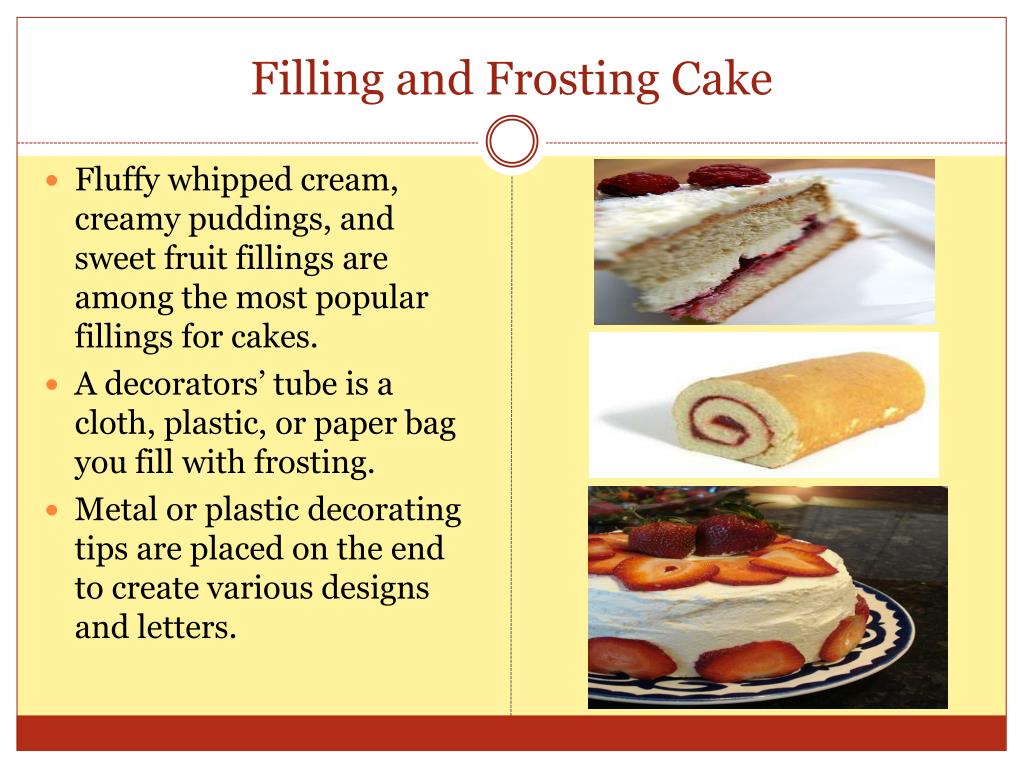
One of the most beloved categories of cake fillings revolves around fresh fruit, and it’s easy to see why. Strawberry puree, raspberry jam, and citrus curd all bring a natural tartness that cuts through the richness of buttercream or ganache. A classic Victoria sponge often features a thin layer of strawberry conserve between two light layers of sponge, delivering a burst of sweetness that feels both nostalgic and uplifting. For a more exotic twist, consider a mango‑lime compote or a passion‑fruit mousse inside a squidgy chocolate cake; the vibrant color will make your dessert pop on any platter. When using fruit fillings, always balance the juice with a touch of powdered sugar to prevent the cake from becoming soggy.
Who can resist the silky allure of creamy fillings? Whipped cream, vanilla custard, and light mousses each add a luxurious mouthfeel that feels indulgent without overwhelming the palate. A simple wedding cake often layers vanilla‑bean custard between chocolate sponges, creating a contrast that’s both comforting and elegant. For a lighter option, fold mascarpone and a hint of lemon zest into whipped cream to make a mascarpone‑lemon filling that pairs beautifully with raspberry layers. If you love texture, try a salted caramel mascarpone mousse; the subtle salt intensifies the sweetness and gives the cake a sophisticated edge. Remember to chill the filling for at least 30 minutes before spreading, so it stays firm and doesn’t collapse the cake.
Must Read
Chocolate lovers rejoice, because chocolate‑based fillings are the heart of many iconic cakes. A rich ganache made from equal parts dark chocolate and heavy cream creates a glossy layer that hardens just enough to stay in place while still melting on the tongue. For a nutty twist, combine praline paste with milk chocolate to form a praline‑chocolate drench that pairs wonderfully with hazelnut sponges. If you prefer something lighter, a chocolate mousse flavored with a splash of espresso delivers depth without the heaviness of pure ganache. When cake layers are thin, a thin spread of ganache can act as both glue and flavor, ensuring each slice delivers a balanced bite of bitterness and sweetness.
 Most Popular Wedding Cake Filling – XRNXW
For those who love to push the envelope, unexpected fillings turn a simple dessert into a conversation starter. Think of a layer of salted caramel buttercream sandwiched between vanilla bean sponges—each bite releases a sweet‑salty surprise that lingers. Peanut butter mixed with a touch of honey gives a protein‑rich filling that works beautifully with banana or chocolate‑chip layers, perfect for a casual birthday treat. Matcha‑infused white chocolate mousse adds an earthy, vibrant green hue and a subtle bitterness that balances a rich chocolate cake. When experimenting, keep ratios in mind: a little goes a long way, and balancing flavors ensures the cake remains harmonious rather than chaotic. Your friends will love the unexpected twist!
Ready to dive into filling mastery? Start by matching the filling’s texture to the cake’s density: dense fruit compotes support soft chiffon layers, while light mousses suit sturdy butter cakes. Measure ingredients with a kitchen scale for consistency, and always taste as you go—adjust sweetness with a pinch of sugar or a dash of citrus juice. When spreading, use an offset spatula to create an even ¼‑inch layer; this prevents overflow and keeps the cake’s silhouette tidy. Chill the assembled cake for at least an hour before serving, allowing flavors to meld and the filling to firm up. Finally, store any leftover filling in an airtight container; most can be refrigerated for up to three days, ready to inspire your next delicious creation.