What Are The Best Apps For Buying And Selling Stocks?

Welcome to the thrilling world of stock market investing, where your smartphone can literally become a money-making machine. Forget the old days of calling a broker or staring...

Welcome to the thrilling world of stock market investing, where your smartphone can literally become a money-making machine. Forget the old days of calling a broker or staring at confusing ticker tapes; today, buying and selling stocks is as easy as ordering a pizza. Whether you’re a total beginner saving for a dream vacation or a seasoned trader hunting for the next big tech unicorn, the right app can make all the difference. The real fun? You get to learn about companies you love, watch your money grow (hopefully!), and feel that tiny rush when a trade goes your way. Think of it as a video game where the prize is real cash—and the best part is, you don’t need a million dollars to start playing. Let’s dive into the apps that turn your phone into a personal trading floor.
First up, let’s talk about the king of beginners: Robinhood. This app practically invented the “commission-free” revolution, making it so that anyone with $5 can buy a slice of a company like Apple or Tesla. Its purpose is pure simplicity—zero trading fees and a clean, colorful interface that doesn’t overwhelm you. The advantage? You can start trading with fractional shares, meaning you don’t need to buy an entire share of Amazon costing thousands; you can buy a tiny piece for just $10. The creative twist? Robinhood gamifies the experience with confetti animations when you make your first trade, making you feel like a Wall Street pro. Just remember: with great power comes great responsibility. Start small and treat your first trades like training wheels—buy a familiar brand you use daily, like Starbucks or Nike, to build confidence.
If you want more firepower and research tools, look no further than Webull. Think of it as Robinhood’s older, more analytical sibling. While Robinhood is the fun party, Webull is the library with a supercomputer. It offers real-time market data, advanced charting tools, and even paper trading (virtual money) to practice without risking a dime. The advantage here is depth—you can see exactly why a stock is moving, who’s buying, and what the technical patterns suggest. A creative idea: use Webull to “watchlist” 20 stocks and track them for a week before buying. This builds your intuition. Pro tip: enable “after-hours trading”* in the settings to react to earnings news before the rest of the world wakes up—but be careful, prices can swing wildly!
Must Read
For those who prefer a long-term, hands-off approach, Acorns is your best friend. This app flips the stock-buying process on its head—instead of picking individual stocks, it invests your spare change. Link your debit card, and every purchase you make (like a $3 coffee) gets rounded up to the nearest dollar; that leftover 97 cents goes into a diversified portfolio of stocks and bonds. The beauty? You never have to think about it. Passive investing with zero stress. The creative twist: set a “found money” goal (like “new laptop” or “emergency fund”) and watch spare change compound. It’s not sexy, but it’s smart. Try this: connect Acorns to a recurring $5 weekly deposit plus round-ups. In one year, you’ll be shocked at how much you’ve saved without noticing.
Now, for the adrenaline junkies and active day traders, TD Ameritrade’s thinkorswim app is the heavyweight champion. It’s like a Swiss Army knife for stocks—packed with professional-grade tools, customizable screeners, and even integrated education from real analysts. The advantage? You can trade stocks, options, ETFs, and even futures, all from one interface. It has a steep learning curve, but the payoff is high. A creative idea: use its “OnDemand” feature to simulate trading any past market day, like the 2020 COVID crash or 2021 meme stock frenzy. You can practice buying and selling without real money, learning from history. Practical tip: start with the “Momentum” scanner to find stocks that are moving fast, but always set a stop-loss—a preset price where you automatically sell to cap losses at 5%.
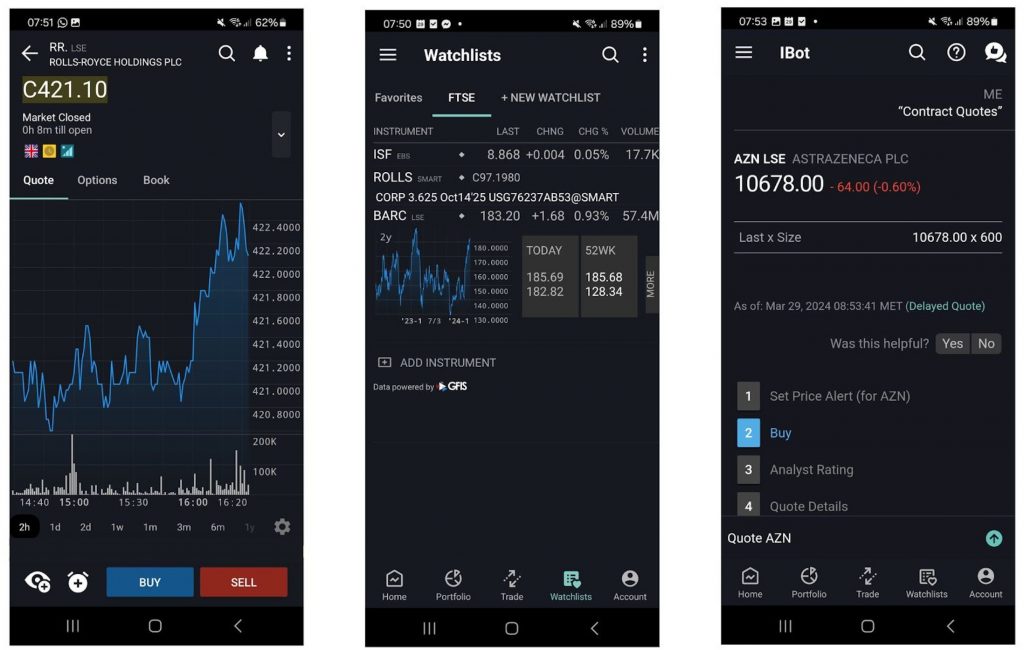 5 Best Stock Trading Apps In The UK 2026
Don’t forget the social and community angle of stock trading. Public is a newer app that combines investing with a social feed—think Instagram meets Wall Street. You can see what your friends are buying, share your portfolio (if you want), and even ask questions in real-time. The advantage is learning through conversation. Instead of reading dry textbooks, you get tips, memes, and debates about why a stock is hot. Creative use: create a “stock club” with three friends on Public, where each week you all pitch one stock and track who makes the best return. This gamifies learning and keeps you accountable. Warning: don’t blindly copy others—use their ideas as a starting point for your own research. A solid rule: never invest in a company you can’t explain in one sentence to a friend.
Finally, let’s talk about safety and strategy using a hybrid app: Fidelity Investments. While it’s not as flashy as Robinhood, it offers something invaluable—rock-solid trust and extensive research from a giant financial firm. The advantage: you get zero commissions PLUS access to Fidelity’s expert research reports, portfolio analysis, and retirement calculators. Creative idea: use Fidelity to set up “dollar-cost averaging” on an S&P 500 index fund like FXAIX. That means you buy a fixed dollar amount (say $100) every month, regardless of price. Over time, this smooths out volatility and builds wealth without timing the market. Your best tip for any app: never invest money you’ll need in the next five years. Stocks go up and down like roller coasters—only ride with cash you can afford to lose. Start with one app, master its features, and remember: the best app is the one that makes you feel in control.
So, which app should you choose? Honestly, it depends on your personality. If you’re curious and want a simple start, grab Robinhood or Webull. If you’re lazy but clever, let Acorns do the heavy lifting. If you’re a social learner, dive into Public. And if you’re a serious planner, trust Fidelity. The best part? Most of these apps are free to download and have zero-minimum balances. Download two, play with their “paper trading” features, and see which one clicks. Remember, the stock market is a marathon, not a sprint. The apps are just the vehicle—your curiosity, patience, and smart decisions are the engine. Happy investing, and may your portfolio be ever green!
