What Are Runners On Strawberry Plants

You know those weird little vines that shoot out from your strawberry plant like they're trying to escape? Those, my friend, are called runners, and they deserve way more cred...
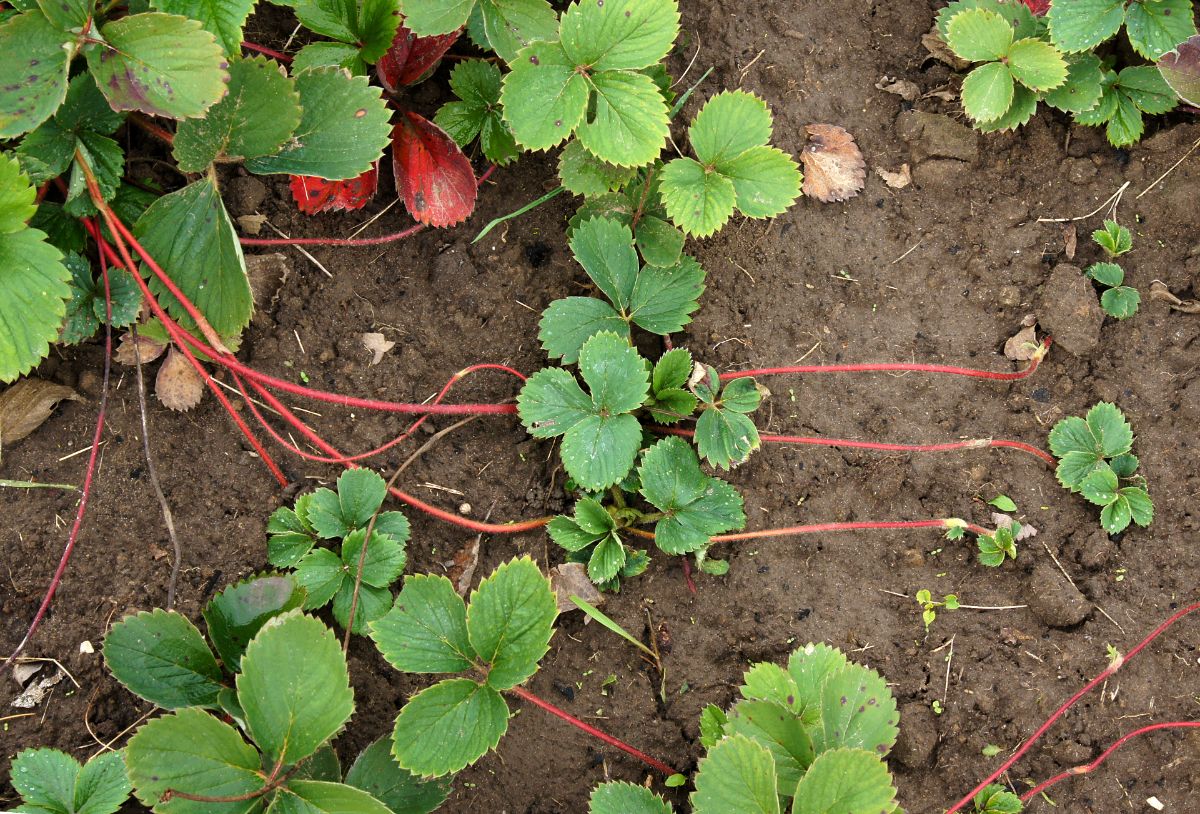
You know those weird little vines that shoot out from your strawberry plant like they're trying to escape? Those, my friend, are called runners, and they deserve way more credit than they get. Imagine being the enthusiastic intern of the plant world, always reaching out to help your boss spread the good news.
Runners are long, thin stems that grow horizontally along the ground. Their entire life mission is to create baby strawberry plants — no, I'm not making that up. While most flowers dream of producing fruit, runners dream of expanding the family empire one clone at a time.
Why Does Your Strawberry Plant Need a Whole Runaway Refugee System?
The answer is reproduction, plain and simple. Berries produce seeds, sure, but that process is slow and unreliable — kind of like trusting your roommate to do the dishes. Runners are the express lane to more plants: they sprout, hit the ground, strike root, and boom — new strawberry plant whose only personality trait is being a copy of the original.
Must Read
Botanists call these runners stolons, which sounds like something from a German thriller movie. But don't let the fancy name fool you — these things are chaos machines. One healthy strawberry plant can send out five to ten runners in a single growing season, turning your tidy little garden bed into organic spaghetti.
Runner Plants Are Basically Strawberry Clones
Here's the mind-blowing part: a runner baby is genetically identical to its parent. It's like photocopied strawberries running wild in your yard. No variation, no surprise, no "I didn't order this new cultivar" moment — just baby after baby of the exact same plant.
:strip_icc()/strawberry-runners-2b841d19a5c24f32b248690c87144654.jpg) How to Plant Strawberry Runners and Grow More Fruit
How to Plant Strawberry Runners and Grow More Fruit
This is actually a survival strategy that strawberry plants have been perfecting for thousands of years. Seeds require pollination, soil luck, and patience, while runners are basically saying, "Skip the dating phase — let's just self-replicate." It's the plant equivalent of copy-pasting.
Fun fact: strawberries technically don't even grow from the true fruits you're snacking on. The red juicy part is an enlarged flower receptacle, and the real fruits are those tiny yellow or brown achenes dotted on the surface. Your favorite berry is one giant costume party.
Should You Just Let Runners Go Wild?
Now here's where the gardening drama begins. If you're growing strawberries for maximum fruit production, runners are actually energy vampires. Your mama plant is pouring resources into making clones instead of making berries, which is like your boss spending the budget on hiring more interns rather than bonuses.
 Runner Cutting Automation Report - Strawberry Center - Cal Poly, San
Pruning them off tells the parent plant to focus on fruiting rather than spreading. Think of it as putting a "no visitors" sign on your strawberry patch. The parent stops running marathons and starts rolling out dessert — which, in this case, is a literal dessert of ripe strawberries.
But if you actually want more strawberry plants, opponents of the snipping approach would argue runners are the free gift you didn't know you were getting. Catch a runner in a pot of soil, wait a week, and you've got a brand-new plant with zero seeds, zero pollinators, and zero effort beyond not stepping on it.
Fun Ways to Use Your Runners
One of the most popular tricks is called "gap filling." You clamp the runner down onto bare soil using a bent paperclip or a rock, and where it touches the earth, roots sprout out. After a week or two, snip the connection to the parent — instant plant with a zero-dollar budget.
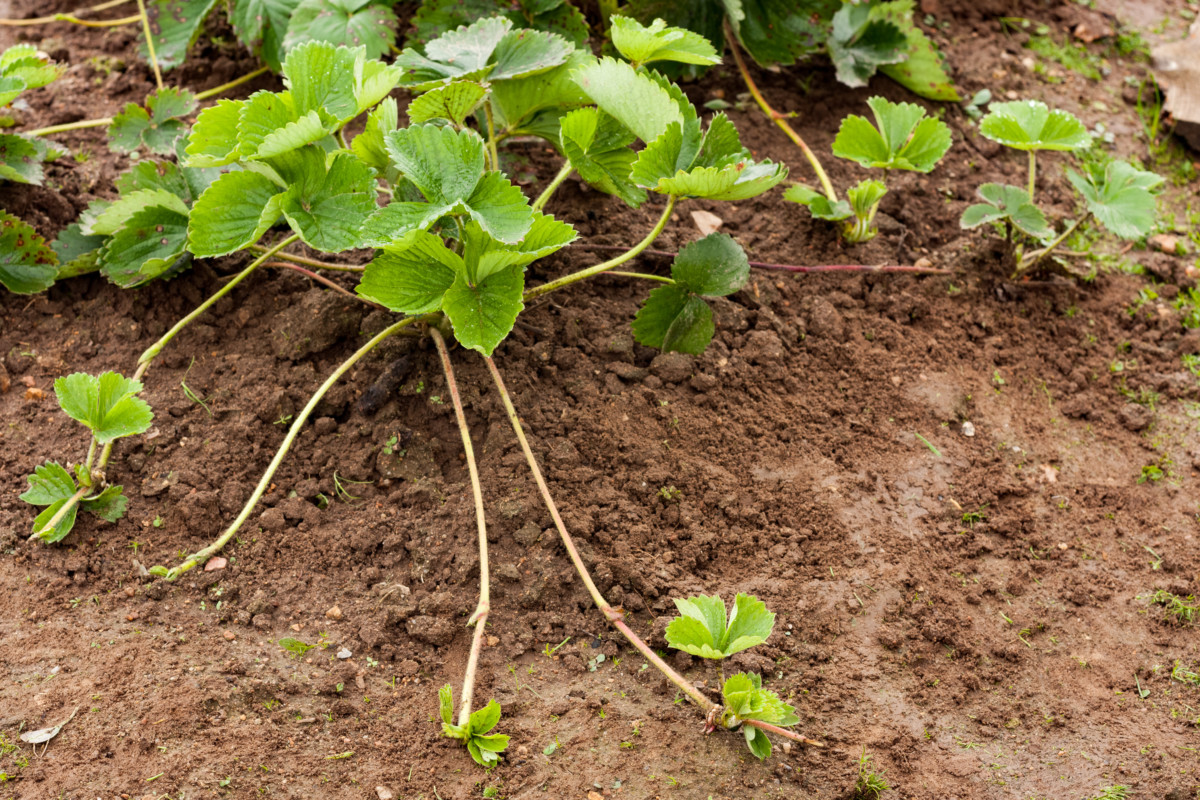 How To Grow New Strawberry Plants From Runners
Some gardeners use runners to create edible ground cover, turning an ugly patch of dirt into a lush carpet of strawberry plants. Others pass them along to neighbors, which is basically gardening's version of "here, have a cutting." Free plants are the currency of garden social circles.
Runners, You Deserve a Hug
Strawberry runners are the unsung heroes of the garden — the promoters, the freelancers, the self-made clones doing the heavy lifting while the fruit gets all the Instagram likes. Whether you're pruning them ruthlessly for berries or propagating them proudly for more plants, these little stems are doing exactly what nature intended.
So the next time you see a runner stretching across your garden, don't front, don't ghost it, give it the recognition it deserves. After all, it's probably the most productive thing in your yard — and it doesn't even ask for water breaks.
