What Are Porter's Four Competitive Strategies

Ever played a game of Monopoly? Here's why you should care about Porter's Four Competitive Strategies Imagine you're playing Monopoly. You've got your eye on Park Place, but...
Ever played a game of Monopoly? Here's why you should care about Porter's Four Competitive Strategies
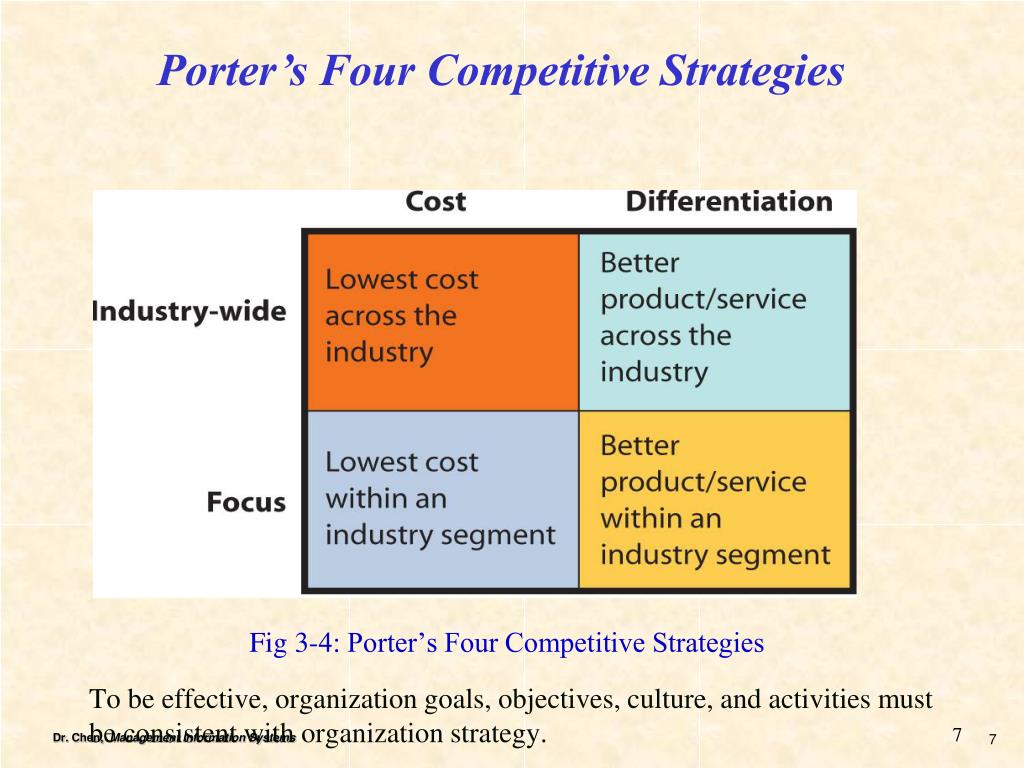
Imagine you're playing Monopoly. You've got your eye on Park Place, but so does your cousin. You could try to outbid them, but they've got a fat roll of cash. What do you do? You could try to make their game difficult, right? Maybe you'll buy up all the utilities and charge them a pretty penny every time they land on one. Or, you could try to make your own game easier. You could buy up all the cheap properties and build houses on them, hoping to attract more players to your spaces.
These are the kinds of strategies that Michael Porter, a renowned business strategist, was talking about when he introduced his Four Competitive Strategies. And guess what? These strategies aren't just for big businesses. They're for anyone who wants to get ahead, whether you're playing a board game, running a small business, or even trying to get noticed in a crowded room.
Strategy 1: Cost Leadership
Let's go back to our Monopoly game. Your cousin is loaded, but you're not. You can't outbid them, but you can undercut them. You could buy the cheapest properties, build the cheapest houses, and charge the lowest rent. You're not making as much money as your cousin, but you're making more than everyone else. That's Cost Leadership in a nutshell. It's about being the cheapest option out there. Think of Walmart or McDonald's. They're not the most exciting, but they're sure cheap.
Must Read
But here's the thing, being the cheapest isn't always the best strategy. Remember when you were a kid and you wanted the coolest sneakers? You didn't want the cheapest ones, did you? You wanted the ones that made you stand out. So, while being the cheapest can work, it's not always the best way to win the game.
Strategy 2: Differentiation
Now, let's say you're not interested in being the cheapest. You want to stand out. You want to be the player that everyone wants to land on. That's Differentiation. It's about being unique, offering something that no one else does. Think of Apple. They're not the cheapest, but they're sure different. They've got that sleek design, that cool factor that no one else has.
But here's the thing, being different isn't always easy. It takes a lot of effort, and it can be risky. What if no one likes your unique idea? What if you're the only one who thinks it's cool? But if you can pull it off, you'll be the player everyone wants to land on.
Strategy 3: Focus
Now, let's say you're not interested in being the cheapest or the most unique. You just want to find your niche, your little corner of the board where you can thrive. That's Focus. It's about finding a specific group of players and catering to them. Think of those little game shops that sell only board games. They're not trying to be the cheapest or the most unique. They're just trying to be the best at what they do.
 Organizational Design: A Complete Guide - AIHR
But here's the thing, finding your niche can be tough. What if there aren't enough players in your niche? What if someone else finds your niche first? But if you can find it, you'll be the king (or queen) of that corner of the board.
Strategy 4: Niche Focus
Finally, let's talk about Niche Focus. This is like Focus, but on steroids. It's about finding the smallest, most specific group of players and catering to them. Think of that one game shop that only sells Monopoly. It's a tiny niche, but if you can cater to it, you'll be the only game in town.
But here's the thing, finding a niche that small can be really tough. What if there aren't enough players in that niche? What if no one else is catering to them because it's just not worth it? But if you can pull it off, you'll be the only player in that tiny corner of the board.
So, why should you care?
You might be thinking, "This is all well and good, but why should I care about these strategies? I'm not a big business. I'm just trying to win at Monopoly." Well, here's the thing. These strategies aren't just for big businesses. They're for anyone who wants to get ahead. Whether you're trying to win at Monopoly, trying to get noticed in a crowded room, or trying to make your small business stand out, these strategies can help.
So, the next time you're playing Monopoly, or the next time you're trying to get ahead, remember Porter's Four Competitive Strategies. They might just help you win the game.
