What Animals Eat Fleas And Ticks

Welcome to the hidden world of nature’s pest control squad! If you’ve ever grumbled about fleas and ticks making your dog miserable or ruining a backyard barbecue, you’re not...
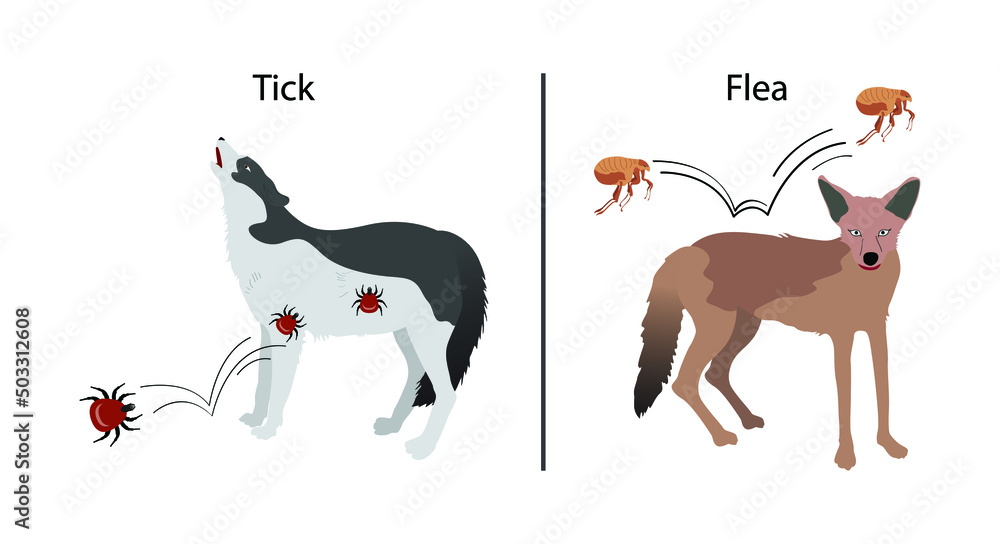
Welcome to the hidden world of nature’s pest control squad! If you’ve ever grumbled about fleas and ticks making your dog miserable or ruining a backyard barbecue, you’re not alone. These tiny bloodsuckers are more than a nuisance—they can spread diseases to pets and people. But here’s the fun part: nature has its own cleanup crew that loves to feast on these pests. This article is your friendly guide to discovering which animals happily munch on fleas and ticks. By the end, you’ll see your backyard in a new light, gain free pest-fighting allies, and maybe even feel a little grateful for the weird and wonderful critters around you. The best part? You can encourage these natural helpers without any nasty chemicals.
Let’s start with the feathered insectivores—birds that treat ticks like candy. Guinea fowl are legendary for this: a single guinea fowl can devour hundreds of ticks in a day, and they’re often called “tick chickens” for a reason. Chickens, too, will scratch through grass and leaf litter to gobble up fleas, larvae, and ticks. Wild birds like blue jays, robins, and wild turkeys also join the feast. If you want to invite these pest-eaters to your yard, set up a birdbath or scatter birdseed near wooded edges. Birds are quick and thorough—they can reduce tick populations dramatically, especially around gardens and fields. Just be mindful: if you have pets, keep their food bowls inside so the birds don’t become too comfortable around your house.
Now, meet the reptilian munchers. Lizards, especially skinks, geckos, and fence lizards, are tick-devouring machines. Studies show that a single western fence lizard can carry up to 30 ticks at once, but here’s the trick: the lizard’s blood contains a protein that kills Lyme disease bacteria inside the tick! So when the lizard eats the tick, it not only removes the pest but also neutralizes the danger. Frogs and toads are also outstanding flea-eaters, snapping up any jumping nuisance that crosses their path. To support these cool critters, create a small pond or damp area with logs and rocks. Toads will hide under overturned flowerpots during the day and hunt at night. Never use pesticides near these spots—even a little chemical can wipe out your natural allies.
Must Read
Let’s not forget the ground-level vacuum cleaners—insects and arachnids that do the dirty work. Ants, particularly red imported fire ants, are ruthless: they hunt and eat flea larvae and tick eggs in soil and leaf litter. Ground beetles and rover beetles are nocturnal hunters that stalk flea pupae. And here’s a surprising one: spiders (including wolf spiders and jumping spiders) will eat both fleas and ticks if they get the chance. While you might not want spiders indoors, a few in your garden are tick-free insurance. Even certain mites—like the tiny tick predator mites—specialize in eating tick eggs. To keep these helpful bugs happy, leave some mulch or fallen leaves in a corner of your yard. They need a safe hideout between meals.
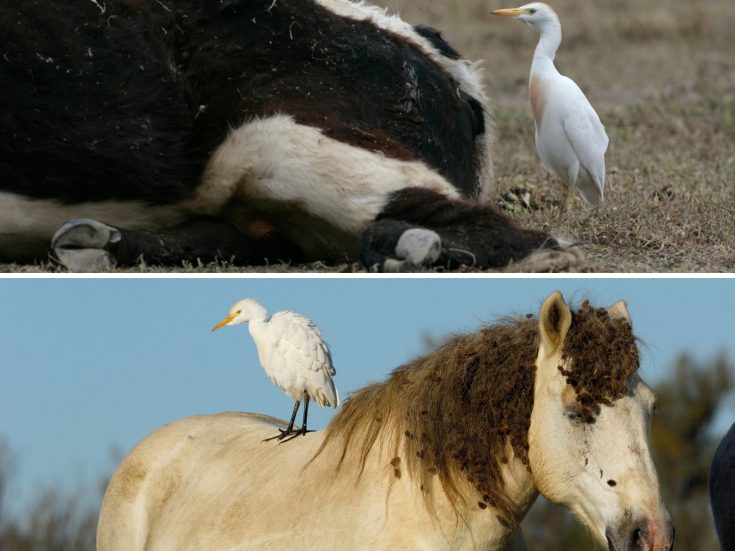 Animals and Birds That Eat Ticks and Fleas - GardensAll
Larger mammals also step up to the plate. Opossums are superstars here: they groom themselves obsessively and can eat up to 5,000 ticks in a single season. Research from the Cary Institute of Ecosystem Studies found that opossums are nearly 96% effective at removing ticks that crawl onto them. Raccoons and squirrels also eat ticks, though less efficiently. Shrews and voles are tiny mammals that hunt flea larvae in underground nests. But be careful what you wish for: attracting wild mammals can bring its own risks (like rabies). Instead of leaving out food, focus on providing brush piles or rock walls for opossums and shrews to shelter in. And if you see an opossum in your yard, thank it quietly—it’s on the job.
How about a DIY natural tick-fighting team? If you have a garden or homestead, consider keeping a few guinea fowl or ducks (especially Muscovy ducks) as permanent residents. They roam, scratch, and eat ticks all day. For city folk or pet owners, chickens can be a safe, contained option—just let them roam in a run over tick-prone areas. A word of caution: never rely solely on one animal. Use a layered approach: birds for overhead hunting, lizards for ground-level patrol, and beneficial bugs for soil cleanup. Also, keep your pet’s bedding clean and mow your grass short to reduce flea and tick habitat. Natural predators work best when you remove clutter, leaf piles, and tall weeds where ticks breed.
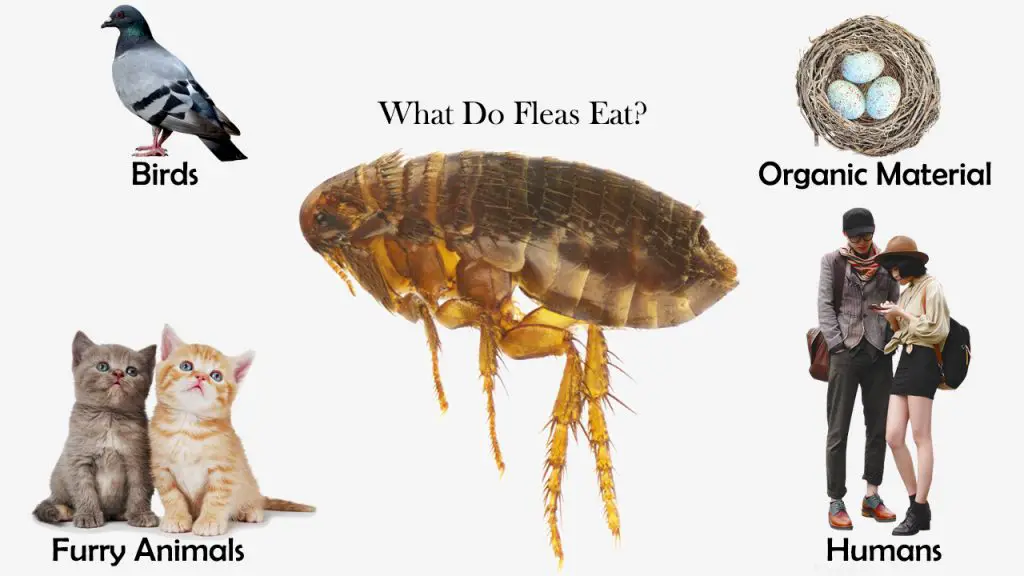 Feeding Nature
Here’s a practical tip to get started immediately: plant tick-repelling plants to support these animals. Lavender, rosemary, and lemon balm naturally deter fleas and ticks, but they also attract pollen-loving beetles and small lizards. Place a few potted herbs near doorways or dog runs. Then install a simple rock pile in a sunny spot—lizards and frogs love the warmth, and they’ll set up camp. Watch your yard over a few weeks, and you might spot a skink snatching a tick off a leaf or a toad hopping after fleas. Document what you see—it’s a great way to learn what works in your local area.
The bottom line? You don’t need harsh chemicals to beat fleas and ticks. By creating a wildlife-friendly habitat, you recruit an army of hungry helpers that work for free, 24/7. Birds, lizards, bugs, and opossums are nature’s original pest control. Not only will this keep your home and pets safer, but you’ll also feel a deeper connection to the ecosystem around you. So next time a tick tries to hitch a ride, remember: you have a whole team of tiny heroes ready to eat it. Go ahead, roll out the welcome mat—and let them feast.
