What Animal Is Salami Made Of

Welcome, curious carnivores and snack enthusiasts! Have you ever stood in front of a deli counter, eyeing that gorgeous, speckled salami, and wondered, “What animal is this ma...
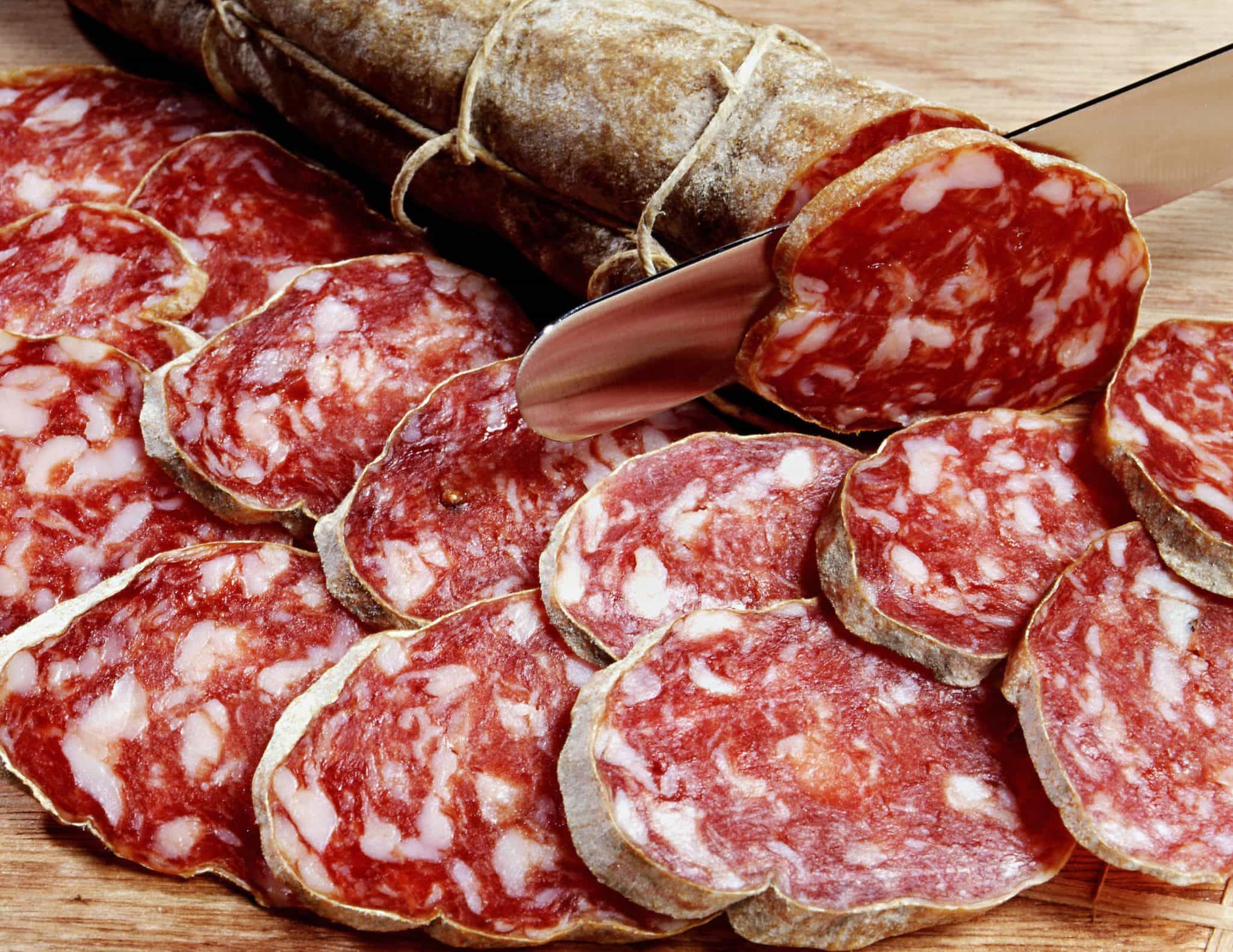
Welcome, curious carnivores and snack enthusiasts! Have you ever stood in front of a deli counter, eyeing that gorgeous, speckled salami, and wondered, “What animal is this magical, salty stick actually made of?” If so, you are in for a treat (literally). This question is more fun than it sounds because it unlocks the secret world of charcuterie, connects you to ancient food traditions, and—most importantly—helps you choose the perfect salami for your next picnic or pasta dish. Understanding the “who” behind the “what” isn’t just trivia; it’s your ticket to becoming a smarter, more confident shopper.
Let’s cut to the chase: salami is almost always made from pork. Think of pork as the default hero of the salami world. Its perfect balance of fat and lean meat creates that melt-in-your-mouth texture we crave. But here’s the delightful twist: salami is far from a one-animal show. Depending on the region and recipe, you’ll find salami made from beef, veal, or even goat. Some adventurous types use lamb, duck, or venison. For instance, a classic Italian Finocchiona is pure pork, while Sopressata can be a mix of pork and beef. And in kosher or halal traditions, you’ll find delicious salami made entirely from beef or turkey. So, the answer isn’t a single animal—it’s a whole farmyard of possibilities!
Now, why does this matter? Because knowing the source changes everything about flavor and texture. Pork salami is rich, tender, and has that signature savory-sweet fat that coats your tongue. Beef salami, on the other hand, is leaner, denser, and has a deeper, earthier taste—perfect for slicing thin and piling on a rye bread sandwich. If you find a venison salami, prepare for a gamey, robust kick that pairs beautifully with sharp cheese. And duck salami? It’s a delicacy—silky, almost buttery, with a subtle richness. Imagine a tasting platter where each slice tells a different story: the pork version sings of Italian hillsides, the beef version whispers of smokehouses, and the duck version hums of French countryside. That’s the advantage of knowing your animal—you can curate experiences, not just snacks.
Must Read
Feeling creative? Let’s think outside the slicing board. You can use this knowledge to build a “salami flight” at your next party. Pick three types: one classic pork, one bold beef, and one wildcard like lamb or turkey. Pair each with a complementary ingredient—pork with fig jam, beef with spicy mustard, lamb with mint yogurt. Or try this: use salami as a secret ingredient in pasta sauces. A finely diced beef salami adds a smoky depth to a simple tomato sauce, while a pork salami with fennel seeds can transform a humble risotto. For a quick appetizer, wrap slices of pork salami around cubes of melon or dates—the sweet-savory combo is unbeatable. The point is, once you know what you’re working with, you can play with it like a chef.
Here’s your practical advice for the next trip to the market. First, read the label carefully. In many countries, producers are required to list the meat source first—look for “pork,” “beef,” or “mixture of pork and beef.” If you see “mechanically separated” or “by-products,” step back; you want quality cuts. Second, ask your butcher. They love sharing stories about their artisan salamis—whether it’s a Spanish chorizo (almost always pork) or an Italian soppressata (pork with a hint of beef). Third, experiment with one new kind per month. Start with a classic pork-based Genoa salami, then graduate to a hard, aged beef salami from Switzerland. Finally, trust your nose and eyes: a good salami should smell sweet and spicy, not sour, and should have firm, even slices without greasy separation.
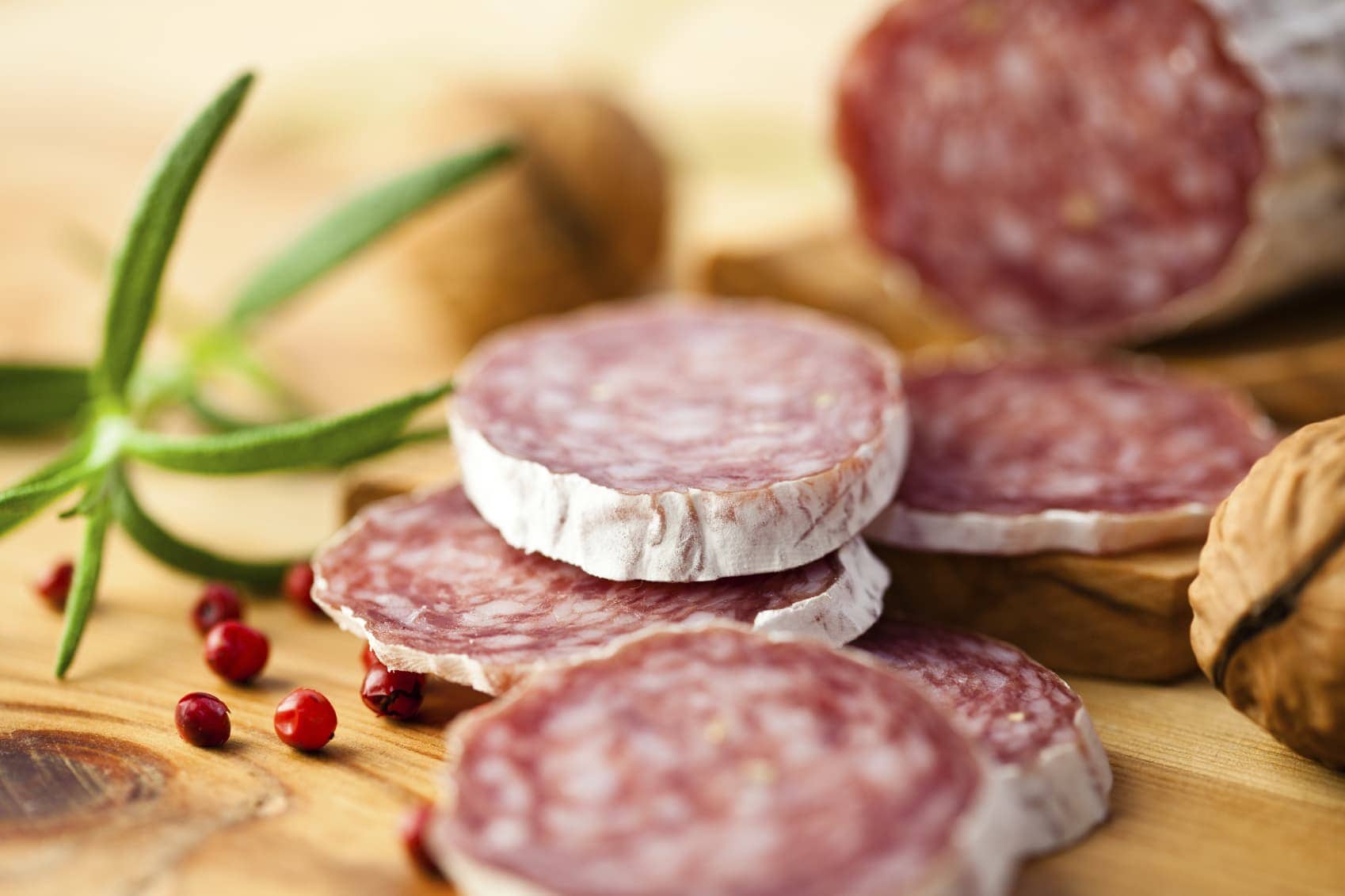 The Unexpected Truth About What Is Salami Made Of
One more tip for the adventurous: try making a simple salami sandwich that highlights the animal. For a pork salami, use a crusty baguette, a smear of butter, and a handful of arugula—the butter amplifies the pork’s fat. For a beef salami, go for dark rye bread, horseradish sauce, and sharp cheddar—the horseradish cuts through the beef’s density. And for a duck salami? Use a light, crisp crostini, a dollop of fresh ricotta, and a drizzle of honey. This “pairing by animal” method is a party trick that will impress your friends and make your taste buds sing. You’ll never look at a salami stick the same way again.
In the end, the question “What animal is salami made of?” is a doorway to a richer, tastier world. Whether you stick with trusty pork, branch into beef, or track down exotic venison or duck, you’re now equipped to choose with confidence and enjoy with curiosity. So next time you grab a slice, pause and appreciate the journey: from farm to craft, from animal to art. Salami is a story, and you’re now the reader who knows exactly which chapter to savor. Happy tasting!

