Was There Dna Testing In The 80s

Let’s set the scene: the 1980s. Big hair, shoulder pads that could double as car bumpers, and the pervasive smell of Aqua Net hairspray. If someone had a mysterious twin or a...

Let’s set the scene: the 1980s. Big hair, shoulder pads that could double as car bumpers, and the pervasive smell of Aqua Net hairspray. If someone had a mysterious twin or a contested paternity case, did they just shrug and say, "Guess we'll never know"? Well, not exactly, but the reality is way crazier than you might imagine. So, grab a glass of Tab cola and let’s dive into the weird, wild world of DNA testing, 80s style.
Wait, Science Was Alive Back Then?
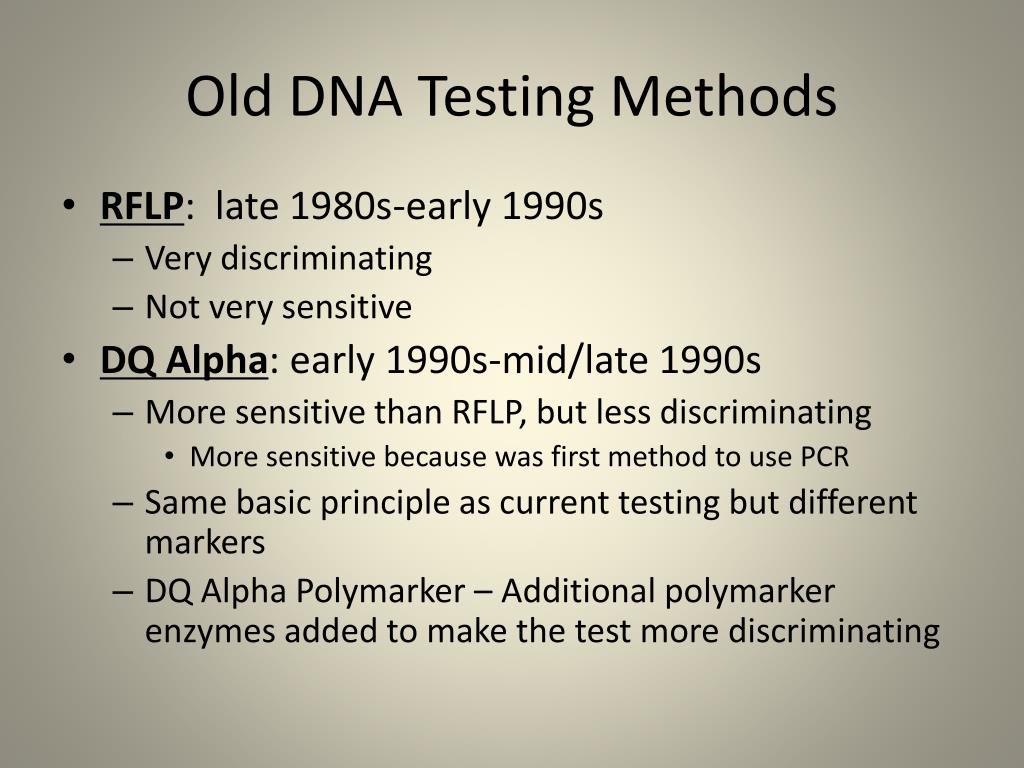
The short answer is yes, but barely. DNA testing as we know it—the cheek-swab, "find your third cousin twice removed" magic—didn't exist in the 80s. What did exist was a clunky, lab-coat-heavy process called Restriction Fragment Length Polymorphism (RFLP). Say that five times fast while doing the Moonwalk; I dare you.
This wasn’t a CSI episode with a snazzy machine that beeps for ninety seconds. No, RFLP required actual blood samples, like a vampire's dinner buffet. You couldn't just spit in a tube; you had to roll up your sleeve and feel like you were donating to a science fair from hell.
Must Read
The Discovery That Started It All
The key moment came in 1984, when a British geneticist named Sir Alec Jeffreys looked at some X-ray film and basically yelled, "Eureka! (Also, I need more coffee)." He discovered that every person (except identical twins) has a unique DNA fingerprint—a "genetic bar code," if you will. This was revolutionary, but it also meant the process was as slow as a dial-up modem on a rainy Tuesday.
To pull off this genetic wizardry, scientists had to chop up your DNA with special enzymes that work like tiny scissors. Then they ran the pieces through a jello-like gel, zapped it with electricity, and blotted it onto a membrane. It sounds like a high school science project, but it actually worked—eventually.
The First Big Case: A Shaggy Dog Story
The first real-world use of DNA testing wasn't to find someone’s long-lost dad; it was to solve an immigration mystery. In 1985, a young boy from Ghana was trying to reunite with his family in the UK, but officials didn't believe he was related. Sir Alec Jeffreys stepped in, used his new-fangled DNA trick, and bam—proved the kid was indeed the family’s long-lost son.
This was huge. It proved that DNA testing could work in court! But it wasn't exactly called "CSI: Immigration Office." The test took weeks and required a whole team of scientists wearing safety goggles and looking confused. Imagine waiting a month to find out if your Uncle Bob is actually your Uncle Bob. Talk about awkward Thanksgiving dinners.
 PPT - Olga Akselrod Senior Staff Attorney The Innocence Project
The Infamous Paternity Test Fiasco
You think paternity tests are common now? In the 80s, they were the stuff of daytime drama, but wildly unreliable. Before DNA, they used blood-typing, which might tell you, "Well, the father has A+, so you might be related... or you might be a mailman." The first DNA paternity test was used in 1988, and it was a total circus.
The labs needed huge amounts of fresh blood. You couldn't casually mail in a sample; you had to ship it on ice in a cooler, like a fresh salmon. Even then, results could take six months. "We'll call you when your paternity results come back, please hold the line, and don't eat the ice."
How Accurate Was It? (Spoiler: Not Very)
Early 80s DNA testing had a accuracy rate that would make a coin flip seem reliable. Because the process was so new, labs often fumbled the samples, and human error was rampant. You might get a result saying you're related to your pet goldfish if the lab tech sneezed on the gel.
It wasn't until the late 80s that the technique matured, with the first criminal conviction using DNA evidence happening in 1987 (a case in England involving a man named Colin Pitchfork). That was a landmark moment, but it took years for the courts to fully trust it. Lawyers would argue, "How can we believe this jiggly gel? It looks like my Aunt Mildred's Jell-O mold!"
 Visible Proofs: Forensic Views of the Body: Galleries: Cases: Alec
So, Could You Buy a 23andMe Kit?
Absolutely not. The idea of a mail-order DNA test in the 80s is as absurd as a smartphone in a rotary phone world. The equipment cost millions of dollars, and only a handful of specialized labs on the planet could run the tests. If you wanted to know your ancestry, you had to ask your grandma, or just look at the weird family portraits on the wall.
In fact, the entire Human Genome Project wasn't even started until 1990. So in the 80s, our genetic secrets were locked tight in a very expensive, very slow, and slightly goofy safe. It’s like we had the world's coolest lock but forgot the combination for almost a decade.
The Legacy: From Blood to Spit
So, was there DNA testing in the 80s? Yes, but it was the clunky, prototype version—like the first car with a lawnmower engine. It worked, but you had to be patient, bloody, and willing to wait forever.
Thankfully, we’ve evolved. Today, you can get your DNA mapped for less than the cost of a fancy dinner, and you get results while your pizza is still hot. So next time you spit in that little tube for Ancestry.com, raise a glass (of Tab, obviously) to the 80s scientists who made it all possible with their gel, their enzymes, and their incredible, improbable patience. Now, if you'll excuse me, I'm going to go check if my hairspray has a DNA profile. The 80s were weird, man.
