Vanilla Extract Vs Vanilla Concentrate

Vanilla has been a beloved flavor in kitchens and cafés for centuries, prized for its sweet, floral aroma that can instantly lift desserts, drinks, and even savory dishes. Whe...
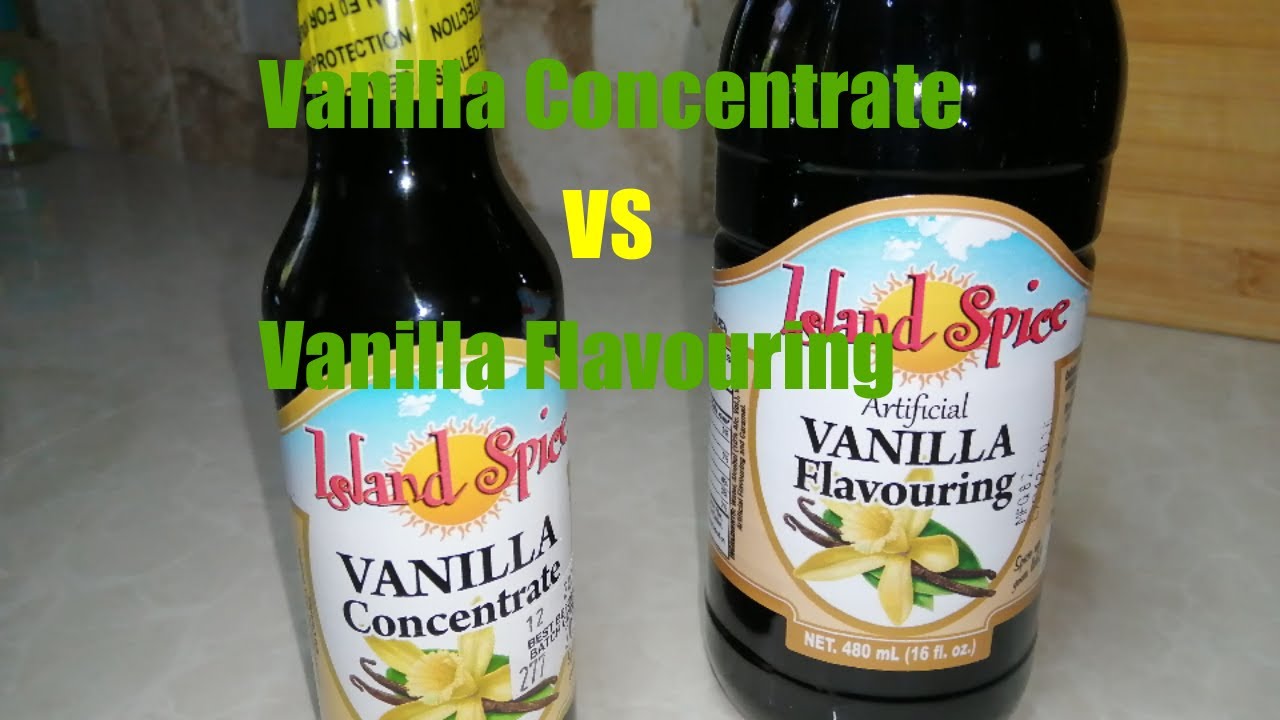
Vanilla has been a beloved flavor in kitchens and cafés for centuries, prized for its sweet, floral aroma that can instantly lift desserts, drinks, and even savory dishes. Whether you're a home baker perfecting a classic chocolate cake or a coffee lover looking to add a subtle twist to your morning brew, the right vanilla product can make a noticeable difference. The decision between vanilla extract and vanilla concentrate often comes down to intensity, convenience, and how the flavor will interact with other ingredients. Understanding these nuances helps you choose the best option for your culinary goals.
Vanilla extract is a liquid made by steeping vanilla beans in a solution of water and high‑proof alcohol, allowing the beans' aromatic compounds to dissolve over several weeks. The resulting liquid usually contains around 35 % alcohol and is bottled at a standard strength that delivers a balanced, sweet‑to‑spicy flavor. Because the extraction process captures a broad spectrum of notes, extract blends seamlessly into both sweet and savory recipes, providing a classic vanilla taste that most consumers expect. Its stability in the pantry, combined with a relatively modest price per teaspoon, makes it a staple in many households.
Vanilla concentrate, on the other hand, is a more potent formulation that often combines extracted vanilla with a higher proportion of alcohol or other solvents, such as glycerin, to boost flavor intensity while keeping the volume low. A single drop of concentrate can substitute for several teaspoons of extract, making it especially useful when space or dosage precision matters. Because it lacks the natural dilution found in extract, concentrate can sometimes taste sharper or more synthetic if used excessively, but when measured correctly it delivers a bold, lingering vanilla aroma that stands up in frostings, ice‑cream bases, and chocolate ganache.
Must Read
The practical advantages of each option become clear when you consider everyday tasks. Extract can be stored at room temperature for years without loss of quality, and its mild flavor works well in large‑batch baking where a subtle background note is desired. Concentrate, however, shines in situations where you need a quick pop of vanilla—such as a sheet‑cake frosting or a homemade coffee syrup—allowing you to use less product and reduce the risk of over‑sweetening. Both forms are gluten‑free, vegan, and compatible with most dietary restrictions, making them inclusive choices for a busy kitchen.
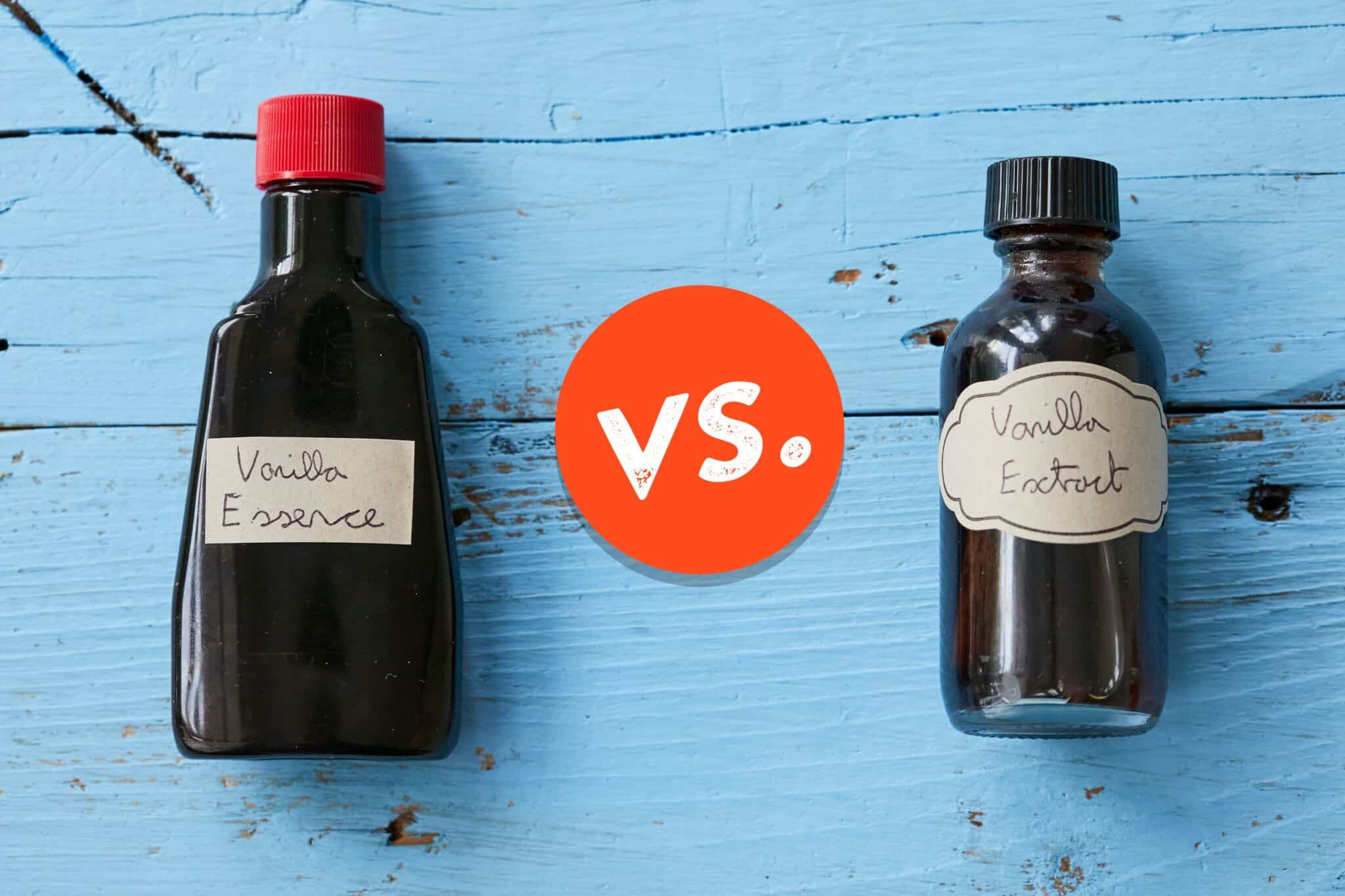 Is Vanilla Flavouring The Same As Vanilla Extract | Detroit Chinatown
Imagine you’re whipping up a batch of chocolate chip cookies for a family gathering. A teaspoon of vanilla extract folded into the dough yields a gentle, comforting sweetness that complements the chocolate without overpowering it. Now picture a midnight craving for a quick vanilla latte; a single drop of vanilla concentrate stirred into the espresso delivers an instant burst of flavor, turning an ordinary cup into a café‑style treat. Similarly, in DIY projects like homemade vanilla‑infused sugar or a maple‑vanilla syrup, using concentrate lets you achieve a strong scent with minimal liquid, preserving the desired texture of the final product.
To explore the difference on your own, start by purchasing a small bottle of each type from a reputable brand and reading the label to note alcohol content and extract percentage. Conduct a simple side‑by‑side tasting: dilute equal drops in water and note the nuance, then use them in a neutral base like plain yogurt for a clear comparison. Keep a flavor journal to record quantities and outcomes, and don’t be afraid to adjust ratios in your favorite recipes—sometimes a blend of extract and concentrate yields the perfect balance. Finally, store both in a cool, dark place to preserve potency and enjoy the versatility of vanilla in every meal. Your taste buds will thank you.


