Vanilla Bean Paste To Vanilla Extract

Okay, let’s be honest: you’ve probably stood in the baking aisle, painfully torn between a tiny bottle of vanilla extract and a mysterious jar labeled “vanilla bean paste.” It...
Okay, let’s be honest: you’ve probably stood in the baking aisle, painfully torn between a tiny bottle of vanilla extract and a mysterious jar labeled “vanilla bean paste.” It’s a real life crisis, I know. One costs the price of a nice latte, the other makes you feel like a Michelin-star pastry chef. So, which one do you actually need? Grab a coffee (or a stiff drink—no judgment), and let’s hash this out like the dessert-obsessed friends we are.
First up: vanilla extract. This is your reliable, no-nonsense bestie. It’s made by soaking vanilla beans in alcohol, which pulls out all that deep, familiar flavor. It’s great, it’s cheap, and it’s everywhere. But here’s the thing—yeah, there’s a thing—it can be a bit of a one-trick pony. Sure, it adds warmth to your cookies, but in a frosting or a simple custard? It often gets lost, like a whisper in a rock concert. You need to use a lot, and even then, the alcohol can leave a slight, bitter edge if you’re not careful. Think of it as the dependable friend who’s always there but never wants to be the life of the party.
Now, enter vanilla bean paste. This stuff is the glow-up your kitchen has been waiting for. It’s like vanilla extract went to therapy, got a makeover, and started living its best life. How? It’s a blend of real vanilla bean seeds, vanilla extract, and a natural thickener (usually gum tragacanth). That means you get two things at once: the powerful, familiar taste and those gorgeous, tiny black specks that scream “I am fancy, and I know what I’m doing.” You can see those specks in your ice cream, your crème brûlée, your simple vanilla cake. It’s visual and flavorful—a stealthy flex, honestly.
Must Read
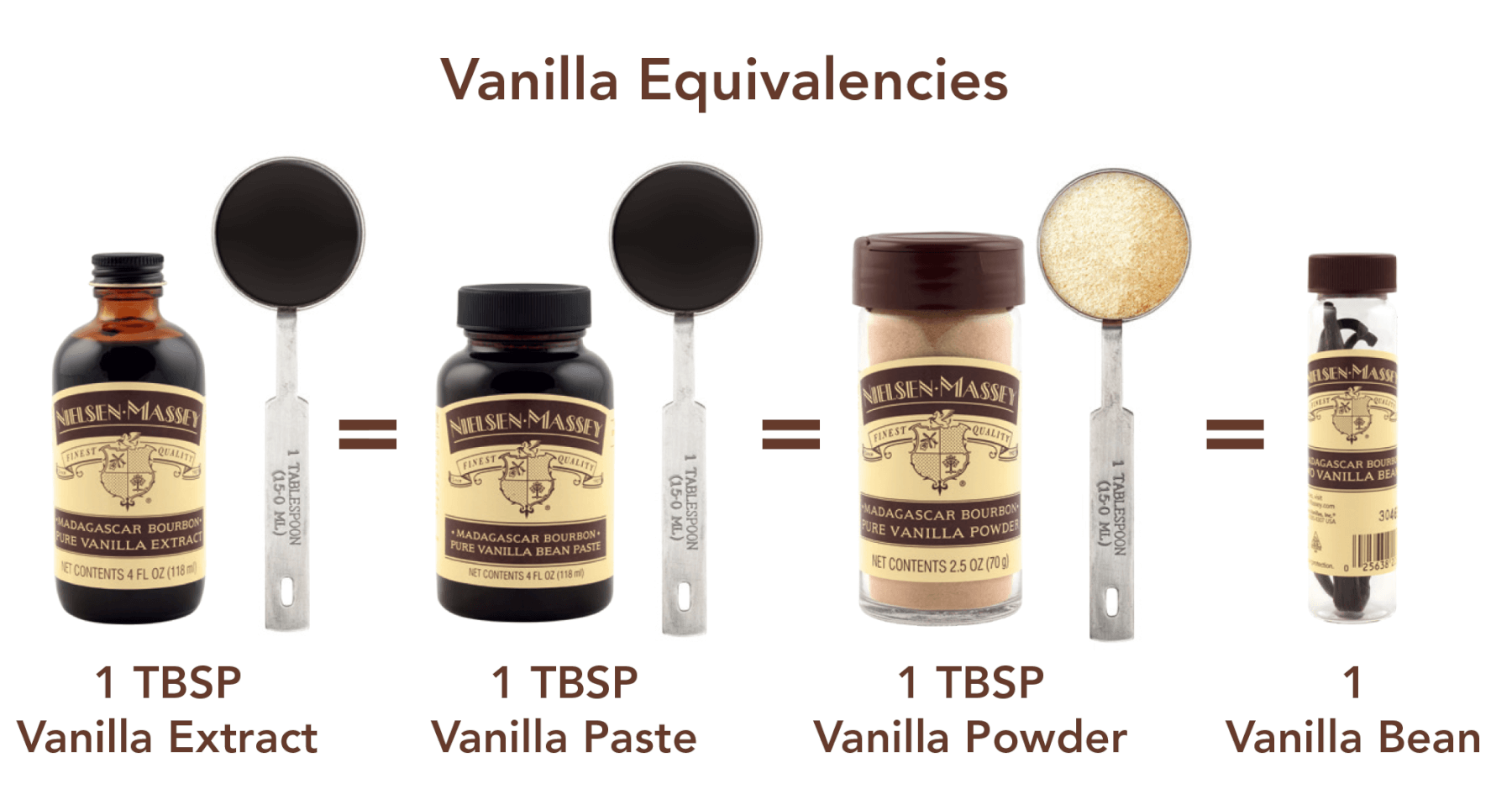
So, when do you reach for the paste? Easy. Any time you want the flavor to be the star. I’m talking no-bake cheesecakes. Buttercream frosting that doesn’t taste like alcohol and sadness. Panna cotta where you want those little flecks to look like edible confetti. It’s also incredibly forgiving—it doesn’t have that alcohol zing that can ruin a whipped cream. And here’s the lazy baker’s secret: one teaspoon of paste equals one teaspoon of extract. Zero math. You can swap them one-for-one. Hazelnut lattes? A squirt of paste. Oatmeal? Swirled in at the end. It turns your mundane bowl of yogurt into a moment.
Yes, vanilla bean paste costs more upfront (that jar is like, “I’m a luxury now, deal with it”). But before you clutch your pearls, consider this: because the flavor is so concentrated and pure, you actually use less in many recipes to get a richer result. Plus, it lasts for ages in your pantry. So, you’re not paying for a bougie sticker; you’re paying for efficiency and a show-stopping finish. It’s an investment in your future cookie victory dances.
 Vanilla Bean Seeds To Vanilla Extract
So, what’s the verdict? You don’t have to pick a side. Keep your trusty extract for big-batch cookie swaps and banana bread emergencies. But for those special recipes—the ones you bring to a dinner party or make for a rainy Tuesday because you deserve it—buy the paste. It’s like upgrading from a standard coffee filter to a morning espresso ritual. You’ll never look back.
Here’s the uplifting truth, my friend: you can’t really go wrong. Whether you shake a bottle of extract or spoon out glossy paste, you are still choosing to make something by hand. You are adding a little bit of sweetness and intention into this chaotic world. And that, more than any fancy ingredient, is what makes you a wonderful human. So go on—use that precious jar. You don’t have to wait for a special occasion. This Thursday is special enough. Splatter those black specks with joy, and let your dessert be as luminous as you are.
