Use Bread Flour Instead Of All Purpose

Switching to bread flour instead of the usual all‑purpose flour is a simple kitchen upgrade that even casual bakers can appreciate. It’s a fun little experiment that often tur...

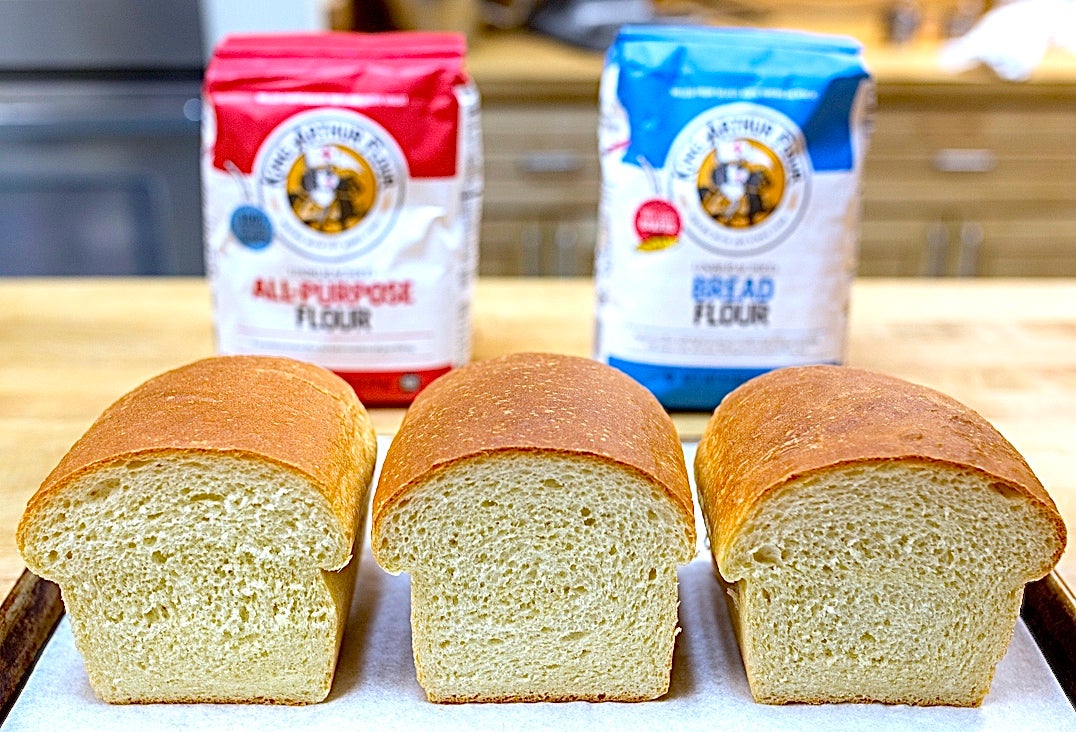
Switching to bread flour instead of the usual all‑purpose flour is a simple kitchen upgrade that even casual bakers can appreciate. It’s a fun little experiment that often turns out a texturally richer loaf, and it’s something you can try without buying a whole new recipe book. The main purpose of this swap is to boost the dough’s gluten network, giving bread that extra chew and a nicer rise. Most home cooks notice the difference after just a few tries, and they end up with a more satisfying, bakery‑style crumb.
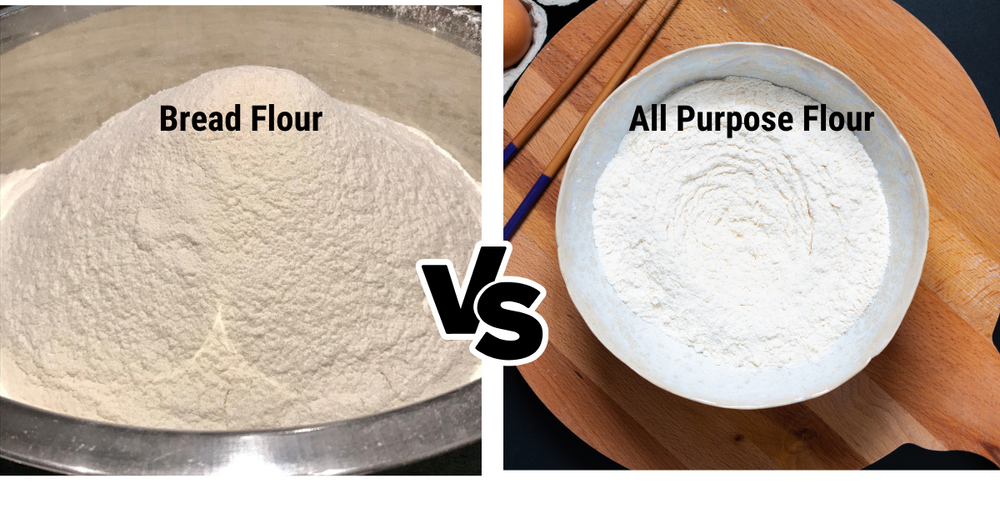
Professional bakers claim that bread flour contains roughly 12–14 % protein, which translates into a stronger gluten structure than all‑purpose flour’s 9–11 % protein. This higher protein content means the dough can hold more gas, resulting in a lighter, airier interior while still keeping a firm crust. For those who make pizza, the same principle applies: a more elastic dough stretches better and achieves that classic chewy bite. Even sandwich lovers notice a subtle difference, as the bread holds toppings without falling apart.
You might already have seen this swap in action at a neighborhood bakery, where the sourdough loaves are proudly labeled “made with bread flour.” Some home‑tested recipes call for a 1:1 substitution, while others suggest a modest 75 % bread flour mixed with 25 % all‑purpose to keep the dough from becoming overly tough. In a classic French baguette, using full bread flour produces a crust that shatters as you bite down, a hallmark that many food blogs rave about.
Must Read
To get started, simply replace the flour in your favorite yeast bread recipe with an equal weight of bread flour. Keep the rest of the ingredients unchanged, especially hydration, because bread flour tends to drink a little more water; you may need to add an extra 1–2 % liquid to keep the dough smooth. Mix gently until the gluten just begins to form, then let the dough rest—this short autolyse helps the extra protein fully hydrate and develop without over‑kneading.
If the loaf ends up feeling too dense, it’s usually a sign that you under‑mixed the dough; give it a few extra folds before the final rise. Conversely, an overly sticky dough may need a touch of extra flour—sprinkle a small amount at a time rather than dumping a whole scoop. Remember, bread flour’s higher protein can make the dough feel firmer, so trust the smooth, elastic texture you’re aiming for.
 Bread Flour vs All Purpose | What Are The Differences Between Bread
In the end, swapping bread flour for all‑purpose is an easy, breezy way to elevate everyday baking without a big investment. Whether you’re whipping up a weekend sourdough, a quick pizza night, or just a classic sandwich loaf, the extra gluten gives you a more reliable rise and a chewier bite that many people love. So give it a try, tweak the hydration as needed, and enjoy the small but satisfying win of a more bakery‑like crumb right at home.
One handy habit is to keep a small jar of bread flour in the pantry next to your all‑purpose bag; labeling it clearly saves time when you’re in a rush. When measuring, use a kitchen scale for consistent results, especially with the denser bread flour. If you’re experimenting with flavored breads like rosemary or olive, the stronger dough will hold those aromatic additions better, giving each bite a bolder taste.