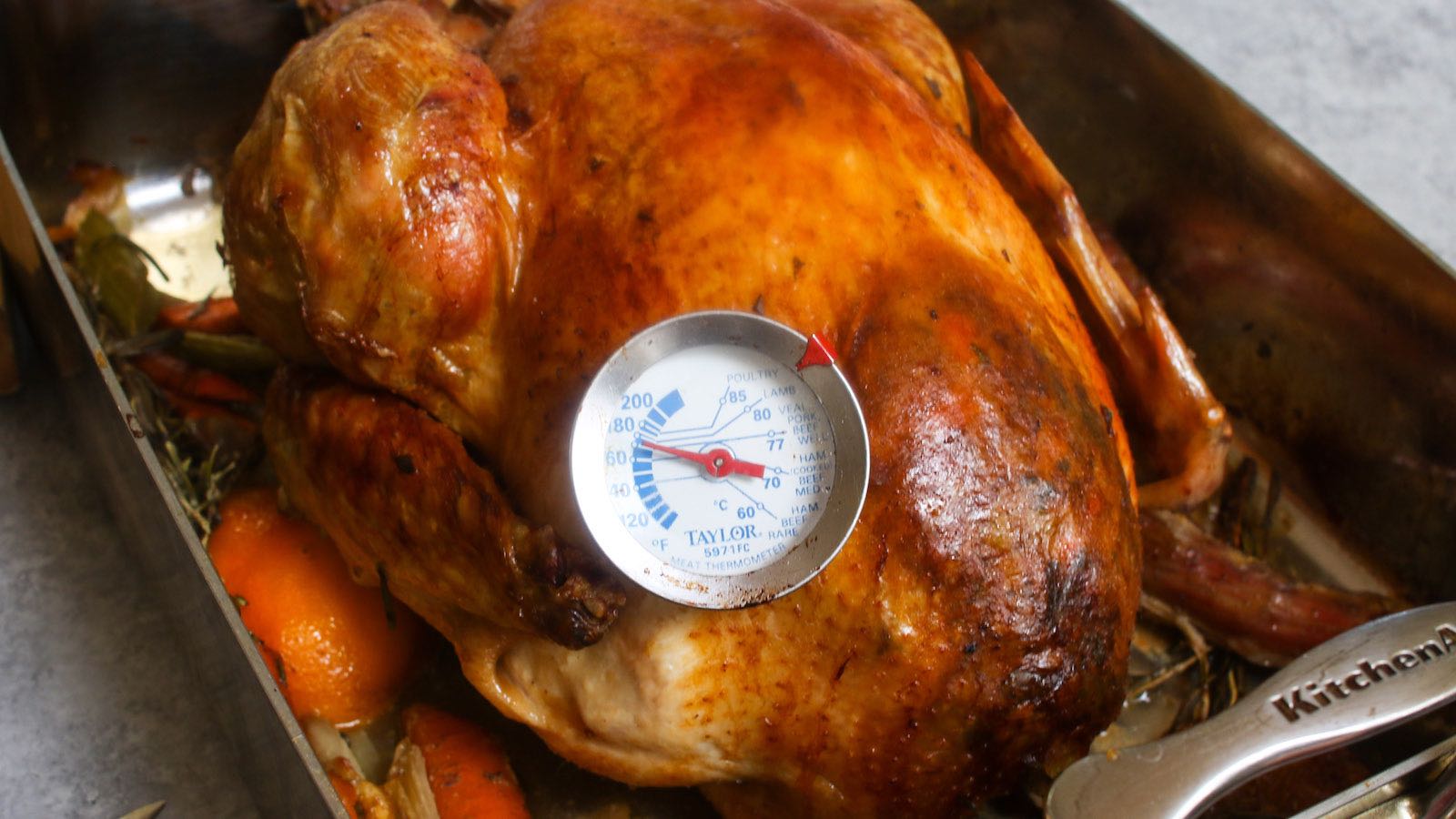
Turkey Done Temp

There’s something genuinely satisfying about mastering the art of the perfect turkey, and it all comes down to one simple thing: the done temp. It’s a topic that turns a high-...
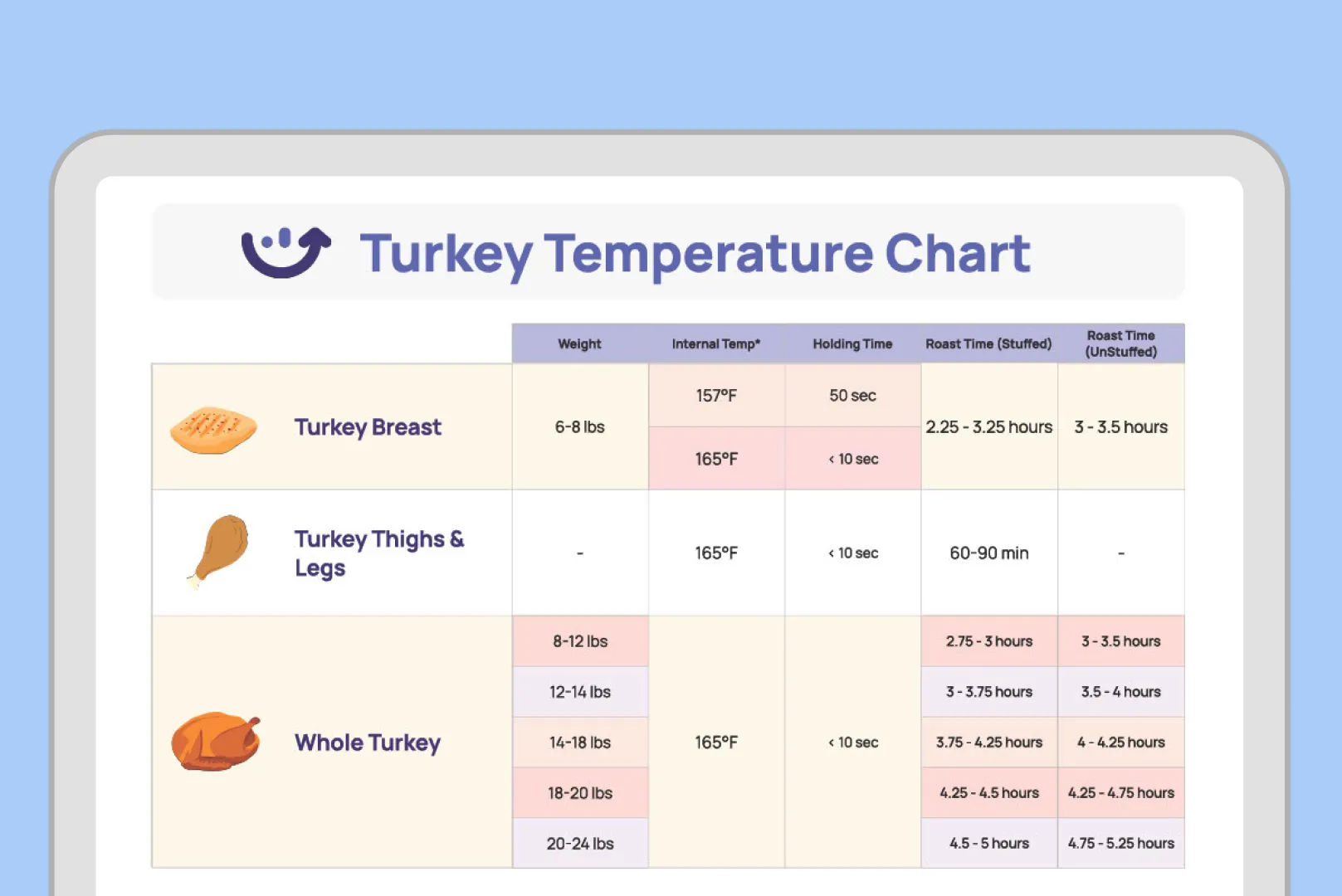
There’s something genuinely satisfying about mastering the art of the perfect turkey, and it all comes down to one simple thing: the done temp. It’s a topic that turns a high-stakes holiday centerpiece into a relaxed, foolproof success. For many, the joy of cooking a turkey is often overshadowed by the fear of a dry, overcooked bird or, worse, an undercooked one that’s unsafe to eat. Yet, knowing the precise internal temperature takes all that anxiety away, giving you the confidence to focus on the joy of the meal itself—the rich aromas, the golden skin, and the laughter around the table. It’s a practical piece of knowledge that anyone can use, from a first-time Thanksgiving host to a seasoned grill master, because it guarantees a moist, tender, and safe result every time.
The main purpose of tracking turkey done temp is, of course, food safety and optimal texture. The United States Department of Agriculture (USDA) recommends a minimum internal temperature of 165°F (74°C) in the thickest parts of the breast, thigh, and wing, which kills harmful bacteria like salmonella. But going just a bit higher—to around 170-175°F in the thigh—transforms the meat from merely safe to truly succulent. The benefits are huge: you avoid the dreaded disappointment of dry white meat, and you save yourself from repeatedly cutting into the bird to check its progress, which lets those precious juices escape. This knowledge is a gift to anyone who cooks, whether you’re roasting a 20-pound bird for a crowd or a simple turkey breast for a Tuesday dinner.
You’ve likely encountered common variations of this temperature rule. Some old-school recipes swear by roasting until the thigh “leg moves easily in its socket,” but that’s an unreliable proxy. A more modern, reliable approach is the “carryover cooking” trick, where you remove the turkey from the oven when the breast hits 160°F, knowing the internal heat will push it to 165°F as it rests. Another popular variation is the brining method, which doesn’t change the target temp but makes the meat more forgiving if you go a couple of degrees over. Spatchcocking (flattening the bird) is another favorite: it cooks faster and more evenly, so the breast and thigh often reach their ideal temps at nearly the same moment, simplifying the whole process.
Must Read
To get started, you don’t need fancy gadgets—just a reliable instant-read thermometer. Insert it into the thickest part of the breast, avoiding the bone, and into the inner thigh near the joint. Don’t rely on the pop-up timer that comes with many store-bought turkeys; they’re often inaccurate. For the best results, check the temp in multiple spots, and trust the thermometer over cooking time alone. A 12-pound bird might take 3 hours at 350°F, but every oven and bird is different, so start checking about 30 minutes before your estimated finish time.
Here’s a simple, actionable tip: let the turkey rest for at least 20-30 minutes after you pull it from the heat. This allows the juices to redistribute, making every slice moist. During this time, the internal temperature will rise by 5-10°F, so don’t panic if the breast reads 160°F when you take it out—it will finish cooking safely. Also, consider using a probe thermometer that stays in the turkey and alarms when the target temp is reached. It’s a small investment that eliminates guesswork and lets you focus on sides, gravy, and conversations.
:max_bytes(150000):strip_icc()/RS_TurkeyInfographic_final2-e89cb711e37c41b687de38ebb0ad6f76.jpg) Here's What Temperature to Cook a Turkey So It Stays Moist
Here's What Temperature to Cook a Turkey So It Stays Moist
Another great way to make the most of this is to experiment with different heat sources. Grilling or smoking a turkey adds a beautiful smoky flavor, but the done temp remains your steadfast guide—aim for 165°F in the breast and 175°F in the thigh for dark meat. Whether you’re doing a traditional oven roast, a deep fry (which is fast and crispy, but requires careful temp monitoring to avoid burning), or a slow-roast at 250°F overnight, that thermometer is your best friend. It turns cooking from a gamble into a science you can enjoy.
In the end, turkey done temp is more than a number—it’s your ticket to a stress-free, delicious meal. It bridges the gap between old kitchen wisdom and modern accuracy, giving you a tool that’s both simple and powerful. So next time you’re facing a raw bird, don’t sweat the timing; just grab your thermometer, remember 165°F, and enjoy the process. Your guests will thank you, and you’ll feel like a pro—even if it’s your first go.