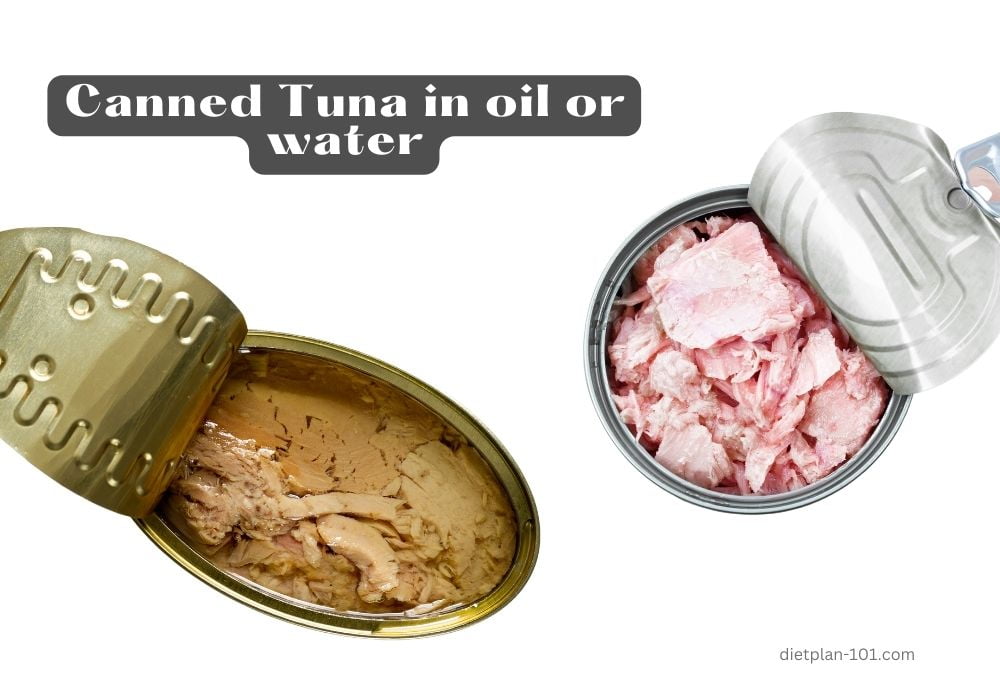
Tuna In Water Vs Tuna In Vegetable Oil

Welcome to the delicious debate of Tuna In Water versus Tuna In Vegetable Oil! Whether you’re a seasoned chef, a quick‑lunch lover, or someone who just wants to make the snack...

Welcome to the delicious debate of Tuna In Water versus Tuna In Vegetable Oil! Whether you’re a seasoned chef, a quick‑lunch lover, or someone who just wants to make the snack aisle a little more interesting, this friendly showdown will help you decide which option fits your taste buds, health goals, and kitchen adventures. By the end, you’ll understand the key benefits of each, see creative ways to use them, and gain practical tips that make the choice as easy as opening a can.
The first thing most people notice is the difference in calorie count and moisture. Tuna in water is the lighter option, boasting fewer calories and a clean, low‑fat flavor that lets other ingredients shine. It’s perfect for those watching their oil intake or aiming for a heart‑healthy bite. On the flip side, tuna packed in vegetable oil carries a richer mouthfeel and a subtle hint of the oil’s nuttiness, which can elevate a simple dish to something more indulgent. Both still provide the same protein power and essential omega‑3 fatty acids, so the choice often comes down to personal preference and culinary context.
Think of tuna as a blank canvas: water‑packed tuna lets the canvas stay light, while oil‑packed tuna adds a glossy base you can paint over. For a classic tuna salad, mix water‑packed tuna with Greek yogurt, diced celery, and a dash of lemon for a refreshing, low‑cal spread. If you’re craving something a bit more luxurious, try oil‑packed tuna tossed with avocado slices, a drizzle of extra‑virgin olive oil, and cracked black pepper—this combo creates a creamy, flavor‑forward dish that feels almost like a restaurant appetizer. The versatility of both versions means you can experiment with different dressings, herbs, and spices without worrying about overpowering the base flavor.
Must Read
When it comes to creative uses, the possibilities stretch far beyond the sandwich. Oil‑packed tuna shines in a hearty pasta sauce: sauté garlic and cherry tomatoes, then fold in the tuna for a glossy, protein‑rich ragù that clings to every strand of spaghetti. Meanwhile, water‑packed tuna works beautifully in light wraps—pair it with shredded carrots, a squeeze of lime, and a sprinkle of chili flakes for a zestful roll that won’t weigh you down. Both can be sprinkled over a fresh green salad, used as a topping for avocado toast, or stirred into a quick bean stew to boost the protein content without adding extra heaviness.
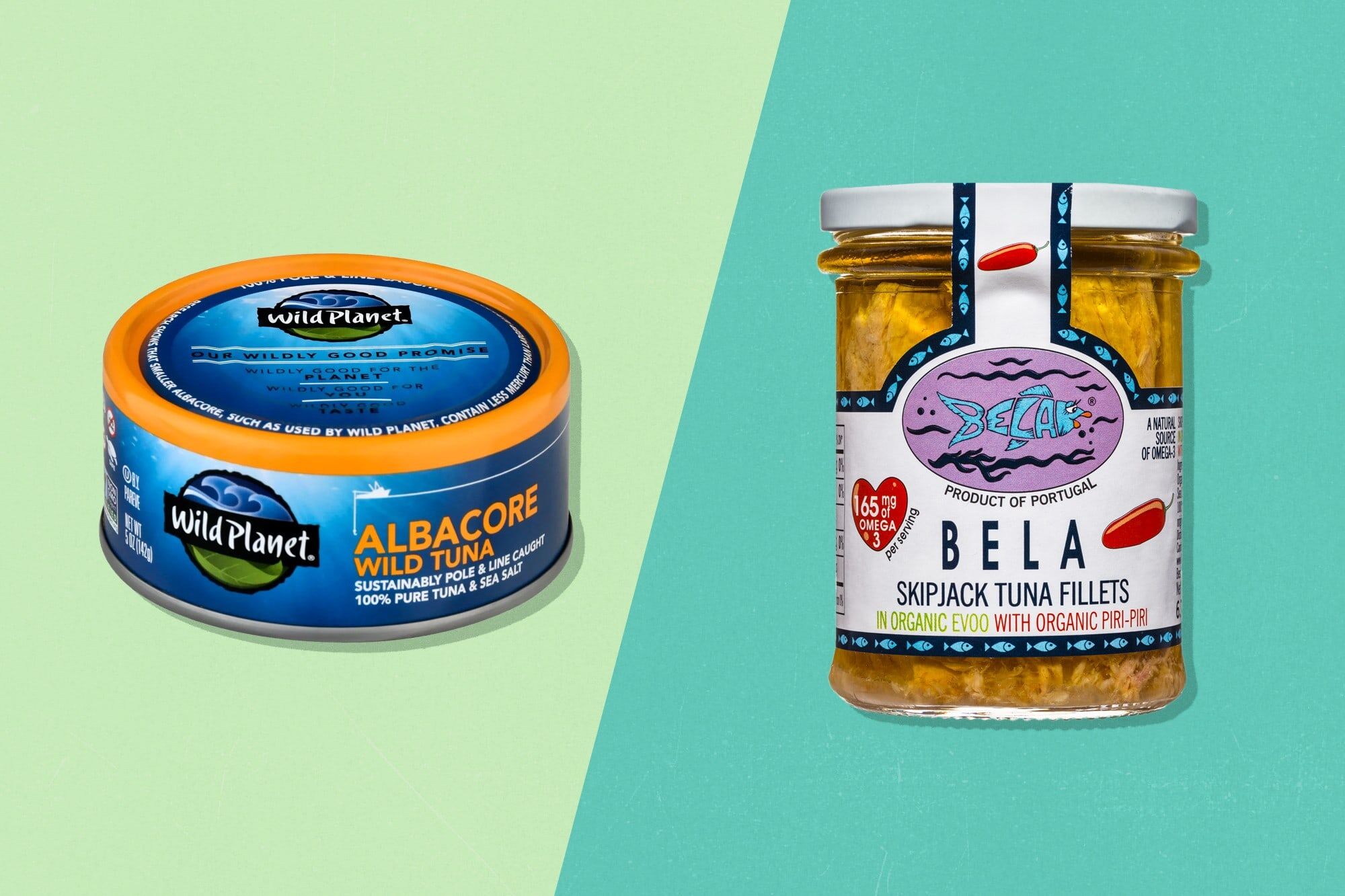 Which Canned Tuna Is Better: Oil-Packed or Water-Packed? | Clean Plates
Practical tips for choosing and using these canned heroes start with reading the label. Look for “no added sugar” and “low‑sodium” options to keep your meal balanced. If you prefer the oil version, consider draining it briefly and reserving a spoonful to use as a quick finishing oil for sautéed vegetables—that way you get the flavor without the extra calories. Store opened cans in an airtight container in the refrigerator and consume them within 2–3 days for peak freshness. And remember, a quick rinse of water‑packed tuna under cold water can reduce any lingering metallic taste, giving you a cleaner bite in salads and sandwiches.
In the end, there’s no wrong answer—both Tuna In Water and Tuna In Vegetable Oil bring their own charm to the table. Use the water‑packed variety when you want a light, crisp foundation, and reach for the oil‑packed when you crave a rich, silky experience. Feel free to keep both on hand, mixing and matching to suit the mood of your meal. With a little creativity and the practical advice above, you’ll turn every can into a tasty adventure that’s as enjoyable to make as it is to eat.