Top Ten Biggest Football Stadium In The World

There’s something universally thrilling about a massive football stadium. Whether you’re a die-hard supporter, a casual fan, or just someone who appreciates incredible archite...
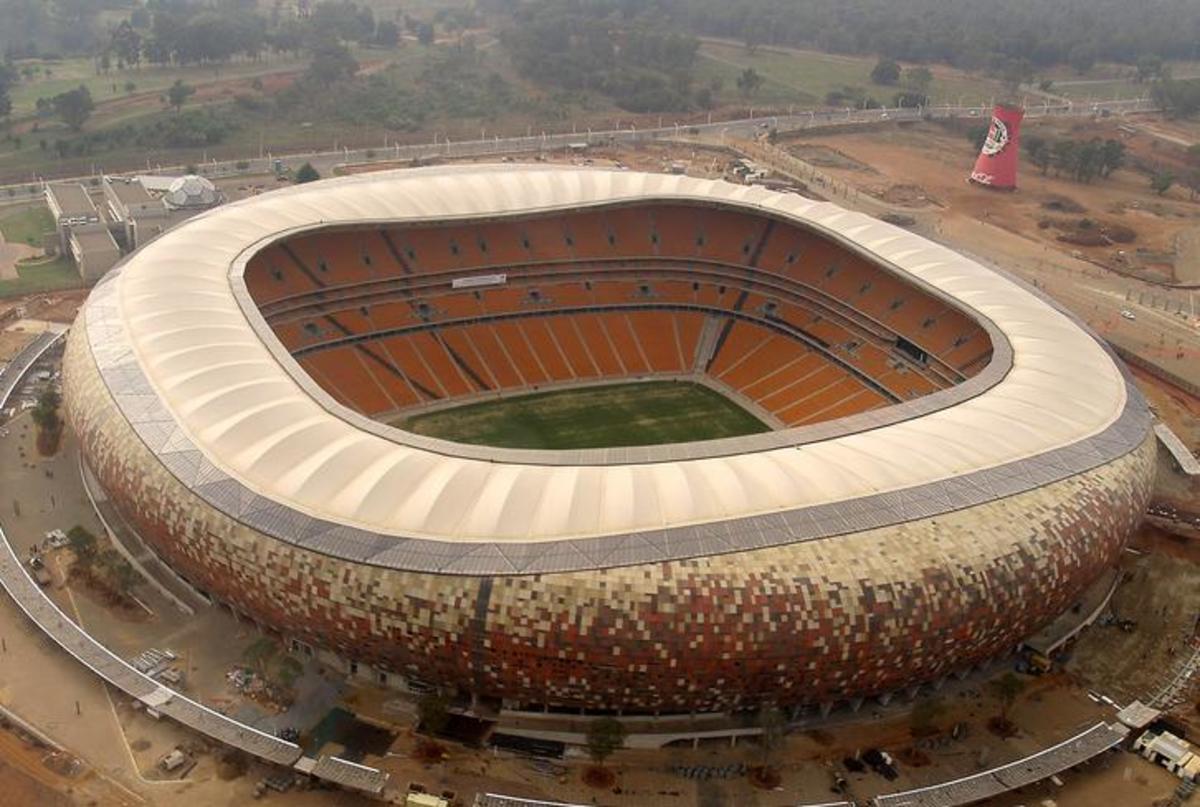
There’s something universally thrilling about a massive football stadium. Whether you’re a die-hard supporter, a casual fan, or just someone who appreciates incredible architecture, these colossal venues are pure spectacle. They’re not just places to watch a game; they are cathedrals of emotion, where history is made and millions of voices become one. The joy of exploring this topic lies in the sheer scale of it—imagine the roar of 100,000 people, the sea of colorful jerseys, and the electric atmosphere that grabs you the moment you step inside. From a practical standpoint, these stadiums boost local economies, host concerts, and unite communities, proving they’re far more than concrete and grass. Even if you’ve never kicked a ball, seeing a list like this makes you want to book a flight and witness the magic firsthand.
What makes this list so widely appreciated is how it connects people across continents. For travelers, visiting a top-ten stadium is a bucket-list adventure—think of Camp Nou in Barcelona, where the air smells like passion, or Wembley in London, with its iconic arch that feels like a beacon for sports lovers. For locals, these venues are a source of pride and identity; the Azteca Stadium in Mexico City isn’t just a building—it’s a monument to moments like the 1970 and 1986 World Cups. Even if you’re stuck at home, you can appreciate how stadiums vary by design: some are open bowls like Melbourne Cricket Ground, while others are futuristic domes. Recognizing these differences makes you feel like an insider, whether you’re chatting with friends or planning your next trip.
The main purpose of this list is simple: to celebrate the giants where the beautiful game thrives. These stadiums don’t just sit empty; they host everything from local derbies to international finals, and their size allows for unmatched experiences. For example, Rungrado 1st of May Stadium in North Korea tops the charts with a capacity of over 114,000, but its purpose extends beyond football—it’s used for mass games and political events. On a lighter note, Salt Lake Stadium in Kolkata, India, is a testament to how football can thrive in cricket-crazy nations, hosting 85,000 fans who create a wall of noise. The benefits ripple out: big crowds mean big revenue, better security, and a stage for emerging talent to shine.
Must Read
If you’re new to this, getting started is easy. You don’t need to be a football expert. Simply picture yourself walking into one of these places—say, the Bukit Jalil National Stadium in Malaysia, which holds 87,411 people. Actionable tip: start by watching a match online from a huge stadium—notice how the camera angles try to capture the whole crowd, and imagine the vibration in your chest. Then, grab a notebook or a phone app and jot down the names: Narendra Modi Stadium in India (132,000), Signal Iduna Park in Germany (81,365), and the Stade de France (80,698). Compare their capacities—it’s like comparing skyscrapers. Next, pick one stadium to research deeply; read about its opening ceremony, its biggest match, or even its ghost stories.
To make the most of this knowledge, turn it into a game. Challenge a friend to guess which stadium has the highest capacity by country, or plan a virtual tour using Google Earth. Most importantly, don’t just read—experience. If you can, save up for a matchday at a top-ten venue like Estadio Monumental in Peru (87,000) or Old Trafford in England (74,879). Even if you can’t travel, delve into fan forums and YouTube documentaries; you’ll find thousands of stories about the “twelfth man”—the crowd—that bring these structures to life. Remember, the biggest stadium isn’t always the loudest; intimacy matters too, but for sheer awe, these ten are unbeatable. So go ahead, pick your favorite, and let the global game pull you in—it’s a journey that’s as easy-going as it is awe-inspiring.


