Too Much Iron In Your Blood Magneto

Feeling like a Human Magnet? Let's Chat About Iron Overload! Ever felt like you're attracting more than just compliments? Like you're walking around with your own personal fo...
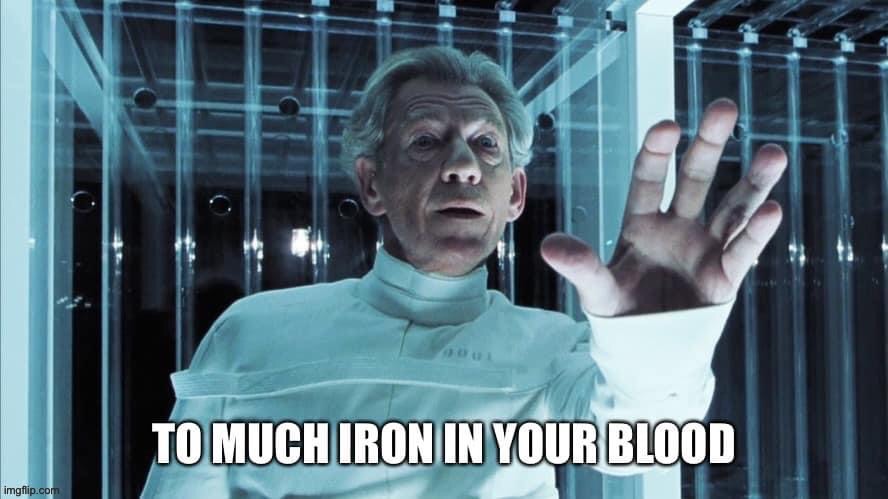
Feeling like a Human Magnet? Let's Chat About Iron Overload!
Ever felt like you're attracting more than just compliments? Like you're walking around with your own personal force field, pulling in everything from paper clips to fridge magnets? Well, believe it or not, there's a condition that could make you feel like a real-life Magneto from the X-Men. It's called Iron Overload, and it's not as cool as it sounds. Let's dive in, shall we?
So, What's the Deal with Iron?
Iron, you ask? Isn't that the stuff that makes our blood red and our steaks delicious? Yep, that's the one! Our bodies need iron to make hemoglobin, a protein that carries oxygen from our lungs to the rest of our body. But here's the thing: too much of a good thing can turn into a not-so-good thing. And that's where our friendly neighborhood Iron Overload comes in.
Imagine iron as the popular kid in school. A little bit goes a long way, but too much can cause trouble. In our bodies, too much iron can start to build up in our organs, like the liver, heart, and pancreas. And that, my friends, is not a party anyone wants to crash.
Must Read
How Does One End Up with Too Much Iron?
Great question! There are a couple of ways this can happen. The first is a condition called Hemochromatosis. It's like having a leaky faucet in your iron absorption system. Your body keeps absorbing iron, even when it's already at capacity. The second way is through frequent blood transfusions. Each transfusion adds a little more iron to your body, and over time, it can start to pile up.
Now, don't go panicking if you've had a blood transfusion or two. It's only an issue if you've had many, many transfusions. And as for Hemochromatosis, it's actually quite common, affecting about 1 in 200 to 1 in 300 people of Northern European descent. But don't worry, we'll chat about how to spot it in a bit.
Why Should You Care?
Alright, so you might be thinking, "Big deal, I'm a human magnet. What's the worst that could happen?" Well, friend, too much iron can cause some serious issues. We're talking about things like joint pain, fatigue, abdominal pain, and even organ damage. It's like having a never-ending supply of paper clips, but instead of making cool art, they're wreaking havoc on your insides.
But here's the good news: if caught early, Iron Overload is totally treatable. And that, my friends, is why you should care. Because catching it early means you can keep your organs healthy and your magnet powers at bay.
Spotting Iron Overload: The Early Bird Gets the Worm
So, how do you know if you're walking around with a personal iron fortress? Well, there are a few signs to look out for. If you're feeling excessively tired, have joint pain, or are experiencing abdominal pain, it might be time to chat with your doc. Other signs include a bronze or grayish color to your skin, weight loss, and loss of sex drive.
But here's the thing: sometimes, there are no symptoms at all. That's why it's important to get checked out if you have a family history of Hemochromatosis or have had many blood transfusions. A simple blood test can tell you if your iron levels are too high. And the earlier you catch it, the easier it is to treat.
Treatment: The Iron-Out Plan
So, you've gone to the doc, and they've told you that you've got a bit too much iron in your system. Don't panic! There are a few ways to get that iron level back down to normal. The most common treatment is something called phlebotomy, which is just a fancy word for blood donation.
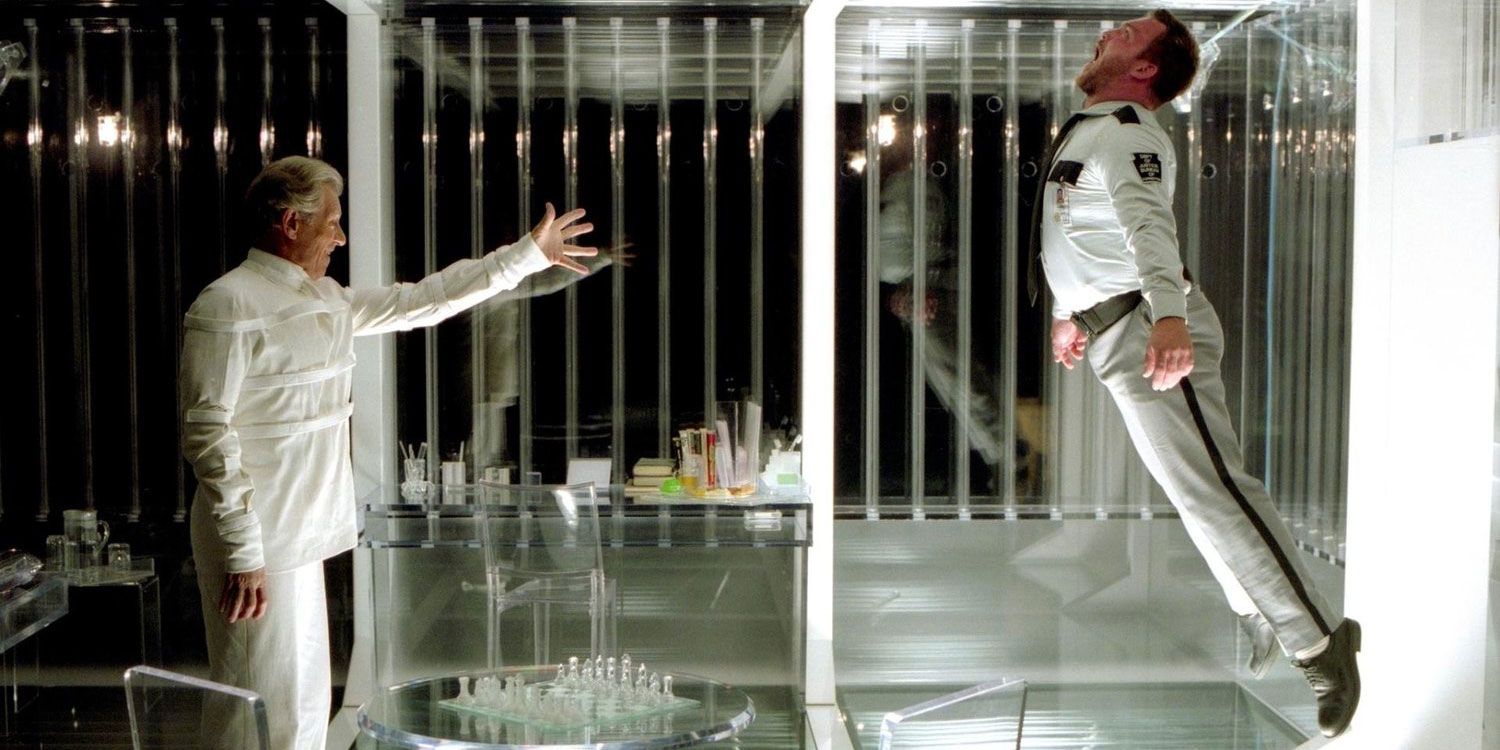 Can Magneto Control The Iron In Blood | The Tube
By donating a little bit of blood (usually about 500ml at a time), you're also donating some of that excess iron. It's like giving your body a little iron detox. The frequency of these donations will depend on how much iron you have in your system, but it's usually a few times a week to start with, then less often as your iron levels drop.
Other treatments might include chelation therapy, which is like a chemical detox for your body. But don't worry, your doc will chat with you about the best treatment plan for you.
Prevention: The Iron-Free Life
Now, you might be thinking, "How can I avoid becoming a human magnet in the first place?" Well, if you have a family history of Hemochromatosis, getting tested early is a great start. But for everyone else, the best way to keep your iron levels in check is to maintain a healthy, balanced diet.
That means eating plenty of fruits and veggies, lean proteins, and whole grains. And if you're a big fan of red meat, try to limit your intake. It's high in iron, so eating too much can contribute to iron overload. And while we're at it, let's lay off the vitamin C supplements. It helps your body absorb iron, so if you're already at capacity, it's best to avoid it.
And remember, if you're having frequent blood transfusions, chat with your doc about ways to monitor your iron levels. Because prevention is always better than a cure, right?
So, Are You a Human Magnet?
Alright, let's wrap this up. If you're feeling like you've got a personal force field going on, it might be time to chat with your doc about iron overload. But remember, it's nothing to be scared of. With early detection and the right treatment, you can keep your magnet powers at bay and your organs healthy.
And who knows, maybe one day you'll wake up to find that your paper clip collection has mysteriously increased. But until then, let's keep our iron levels in check, shall we?
