Tomato Paste And Tomato Puree

Let’s be honest for a second: walking into the pasta sauce aisle can feel like trying to solve a crime. You’ve got crushed tomatoes, diced tomatoes, passata, paste, puree—and...
Let’s be honest for a second: walking into the pasta sauce aisle can feel like trying to solve a crime. You’ve got crushed tomatoes, diced tomatoes, passata, paste, puree—and somewhere in the back of your mind, you’re wondering if you’re about to ruin dinner. But today, my friend, we’re cutting through the confusion with the two most misunderstood kitchen heroes: tomato paste and tomato puree. Spoiler: they’re not the same thing, and knowing the difference will make you feel like a culinary genius. (Or at least, someone who doesn’t have to Google "can I substitute paste for puree" for the fifth time this month.)
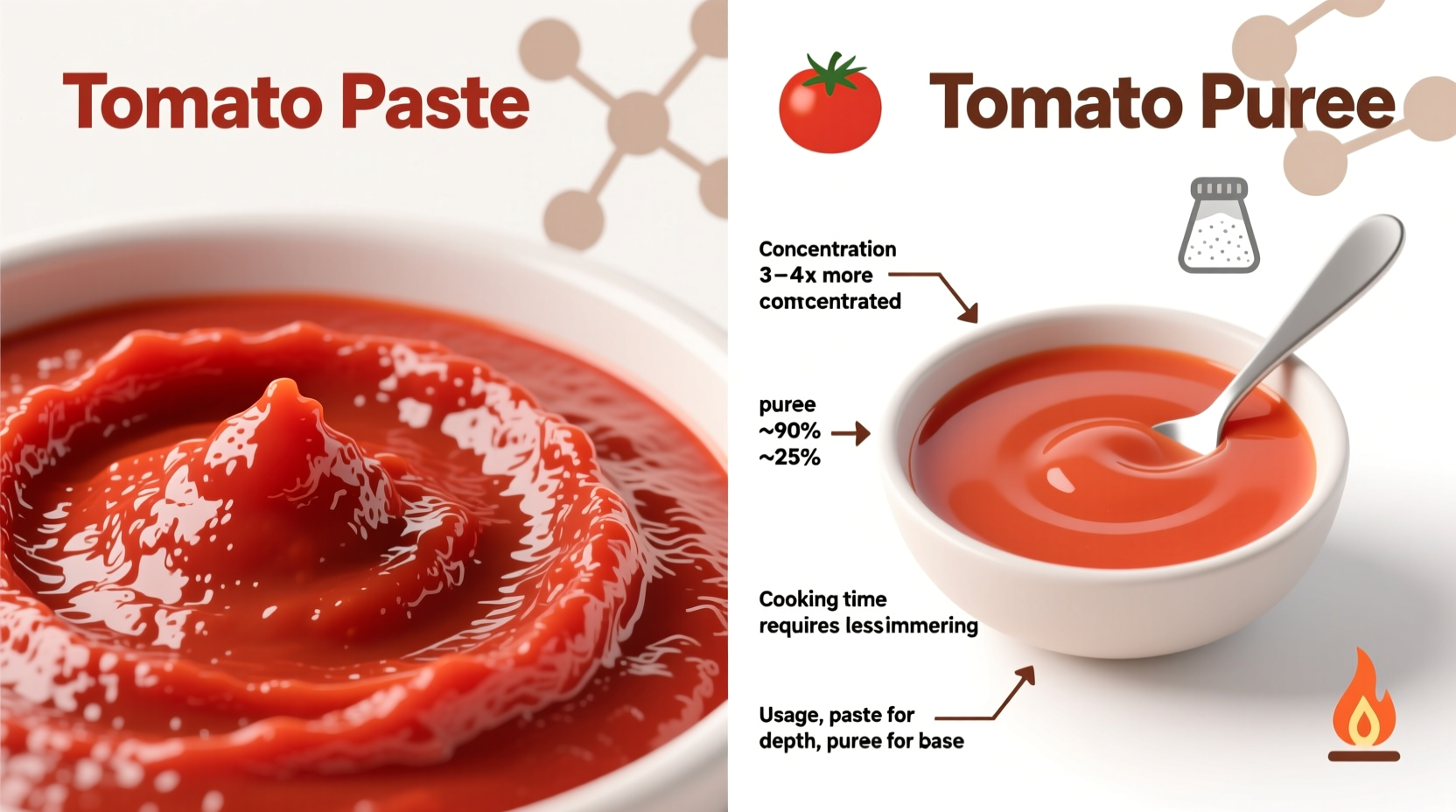
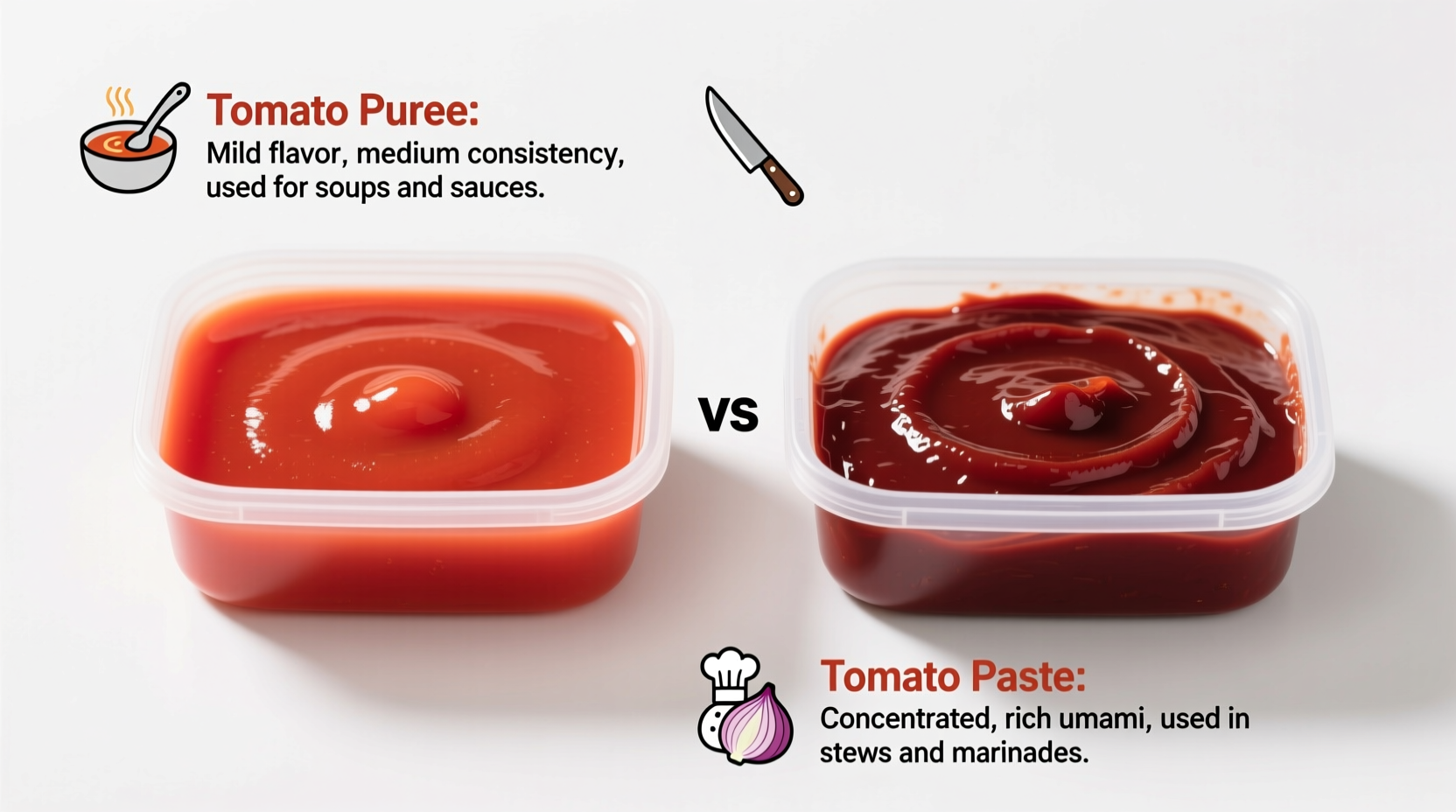
Let’s start with tomato paste. This stuff is the overachiever of the tomato world. It’s cooked down for hours until most of the water evaporates, leaving behind a concentrated, deep red paste that’s so intense it could make a pizza blush. It’s thick—like, “trying to spread cold butter on toast” thick. You’ll usually find it in those tiny cans or tubes, which is perfect because a little goes a long way. One tablespoon of tomato paste packs more umami than a whole handful of fresh tomatoes. It’s the secret weapon of stews, braises, and red sauces that need a flavor punch. Pro tip: Always cook your paste for a minute or two before adding liquid. It sounds fancy, but it’s just letting it caramelize—it unlocks a sweetness that makes you look like you studied at a French cooking school. (You didn’t. I didn’t. It’s fine.)
Now, tomato puree is paste’s laid-back cousin. It’s still cooked and strained—so it’s smooth, no seeds, no skin—but it’s far thinner. Think of it as the Goldilocks of tomato products: not too thick like paste, not too watery like crushed tomatoes. It’s the stuff you reach for when you want a sauce that’s silky but not overpowering. You’ll see it labeled as “passata” in fancy stores, but let’s call it what it is: a smooth, ready-to-use tomato base. Puree is your best friend for soups, slow-cooked ragùs, and that one recipe where you need a subtle tomato flavor without screaming “TOMATO!” Puree doesn’t need much babysitting—just dump it in and let the party simmer.
Must Read
But here’s where it gets tricky: can you swap them? Technically, yes. But it’s like swapping flip-flops for high heels—you can do it, but you’ll feel wobbly. If you only have paste and need puree, dilute one tablespoon of paste with three tablespoons of water. Voilà, instant puree. If you only have puree and need paste, you’re in for a long day—you’d have to cook it down forever to get that thickness. Honestly, just buy a tiny tube of paste and keep it in your fridge. It lasts for months, and you’ll feel like a kitchen wizard every time you use it.
:max_bytes(150000):strip_icc()/tomato-puree-vs-tomato-paste-75a13df7e6e741fca0966c55b95b57a5.jpg) Tomato Purée vs Paste: What's the Difference?
Tomato Purée vs Paste: What's the Difference?
One more thing: flavor profiles. Paste is dark, roasty, and almost fruity—it adds depth. Puree is brighter, cleaner, and more mild—it adds body. Use paste in chili, barbecue sauces, or that lasagna that needs a punch. Use puree in a smooth tomato soup or a pizza sauce that shouldn’t steal the spotlight from the cheese. And never, ever confuse them when baking. I once swapped puree for paste in a tomato bread recipe. Let me tell you: the bread was a SOGGY DISASTER. It cried. I cried. The whole kitchen cried.
So here’s the takeaway, friend: paste is your anchor, puree is your sail. One grounds you in deep flavor; the other keeps things moving smoothly. And now, the next time you’re staring at that tube and that can, you won’t panic. You’ll nod knowingly, reach for exactly the right one, and whisper, “I got this.” And you do. Because life is too short for watery pasta sauce, too short for burned paste, and way too short to ever apologize for using ketchup in a pinch. Go make something delicious. You’ve earned it. 💛