To Thaw Food Using The Submerging Method The Food Must Be

For anyone who has ever stood in front of a rock-hard chicken breast at 5 PM, wondering what to make for dinner, the submerging method of thawing food feels like a small mirac...
:max_bytes(150000):strip_icc()/Simply-Recipes-The-Best-Way-to-Thaw-Salmon-METHOD-2a-4f83943e74ab445f885aa093b50c5bb5.jpg)
For anyone who has ever stood in front of a rock-hard chicken breast at 5 PM, wondering what to make for dinner, the submerging method of thawing food feels like a small miracle. It is the culinary equivalent of a fast pass, transforming a seemingly impossible time crunch into a manageable, safe, and quick solution. The core purpose of this technique is simple: to rapidly and safely bring frozen food from a solid, icy state to a pliable, cook-ready condition without turning it into a potential bacterial breeding ground. Its greatest benefit for everyday life is reclaiming the spontaneity of cooking, allowing you to decide on a meal just an hour or two before you plan to eat it.
The key to this method—and the most critical rule—is that the food must be in a leak-proof package. You cannot simply drop a raw, unsealed steak or a bag of loose shrimp into a bowl of water. The water would quickly become contaminated with juices that could harbor harmful bacteria like Salmonella or E. coli, and the food itself would become waterlogged, losing texture and flavor. A perfect scenario is when you have vacuum-sealed portions of fish or chicken breasts. Alternatively, you can seal the frozen item in a high-quality, zip-top freezer bag, pressing out as much air as possible before sealing. This airtight barrier is what makes the entire process sanitary and effective.
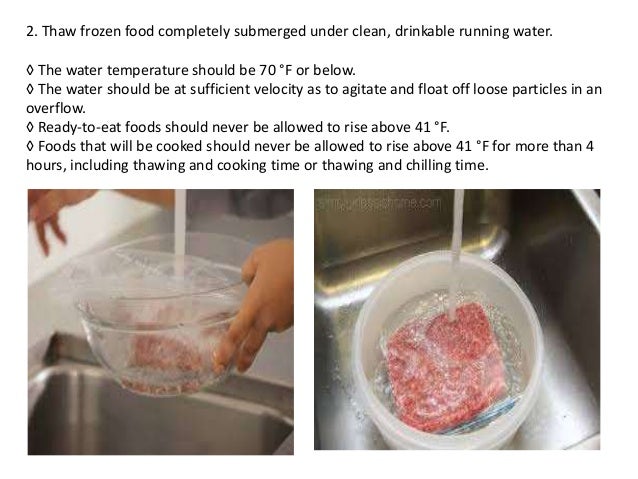
Imagine a busy weeknight: you planned to make a stir-fry with frozen shrimp, but you forgot to take them out in the morning. Instead of settling for takeout, you fill a large bowl with cold tap water, place the sealed bag of shrimp into it, and weigh it down with a heavy plate or a second bowl to ensure it is completely submerged. The key is to use cold water, not warm or hot. Hot water might seem faster, but it promotes rapid bacterial growth on the outer surface of the food before the center has thawed, creating a dangerous imbalance. Cold water works through efficient heat transfer—water conducts heat roughly ten times better than air—so it thaws food much faster than a refrigerator, yet safely, just as long as you follow one more crucial rule.
Must Read
That rule is constant circulation. Stagnant water quickly becomes cold, slowing down the thawing process and potentially allowing the water itself to rise to an unsafe temperature. The standard, food-safety-approved practice is to change the water every 30 minutes. This simple act of dumping out the cool water and replacing it with fresh cold tap water keeps the thawing environment consistently effective. For example, a one-pound package of ground beef typically thaws in about an hour to an hour and a half using this method, provided you refresh the water twice. For larger items, like a whole chicken, you might need to change the water every half-hour for two to three hours, but the active effort is minimal.
Once the food is thawed, it is imperative to cook it immediately. Unlike a refrigerator thaw, where the food can stay safely chilled for a day or two, the submerging method brings the surface temperature of the food into the "danger zone" (between 40°F and 140°F) where bacteria multiply quickly. Therefore, as soon as the meat or fish is pliable and no longer icy, you must drain it, pat it dry, and get it into a hot pan or oven. This immediacy is not a flaw; it is a feature of the method, perfectly aligning with the goal of last-minute meal preparation. You are trading convenience for a tight window of safe cooking, which works beautifully for a single meal.
 Food handling and safety manual ppt
For a safe and successful experience, here are a few simple tips. First, never use this method for foods that are not solid or have porous surfaces, like steaks with bones or roasts with large air pockets, as these can trap bacteria. Second, keep your sink or bowl impeccably clean to avoid cross-contamination. Third, if the package leaks at all, discard it and use a different thawing method—the risk is simply not worth it. Fourth, consider using a small kitchen scale or a timer to track how long the food has been submerged; set a 30-minute alarm on your phone to remind you to change the water. Finally, always trust the touch-test: the food should feel soft, cool, and slightly flexible, with no ice crystals remaining in the center, before you declare it fully thawed.
In conclusion, the submerging method is a powerful tool for the modern cook, turning a frozen block of potential into a rapidly cookable reality. By ensuring your food is in a leak-proof bag, using only cold water, and changing it every half-hour, you achieve a result that is both fast and safe. It bridges the gap between a forgotten ingredient and a satisfying home-cooked meal, proving that with the right knowledge, even a frozen stash can offer flexibility and freedom in the kitchen. When you master this technique, you no longer need to plan your meals days in advance; you simply need an hour and a bowl of cold water.

:max_bytes(150000):strip_icc()/Simply-Recipes-The-Best-Way-to-Thaw-Salmon-METHOD-2a-4f83943e74ab445f885aa093b50c5bb5.jpg&description=To+Thaw+Food+Using+The+Submerging+Method+The+Food+Must+Be)