Tissue Transglutaminase Iga 10 U/ml Meaning

If you've recently had a blood test and saw a tissue transglutaminase (tTG) IgA result of 10 U/ml pop up on your report, you're probably wondering what it actually means. This...
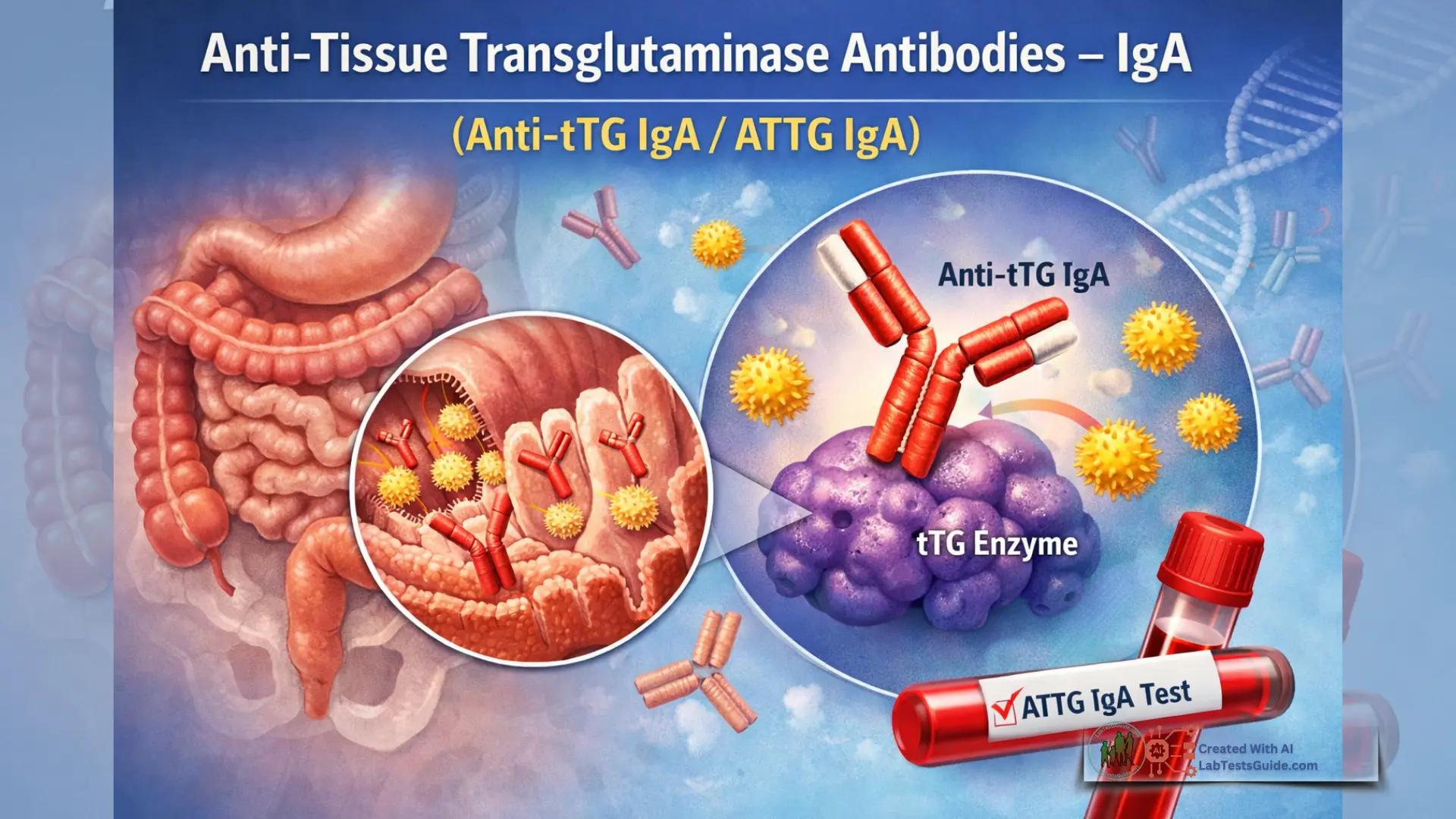
If you've recently had a blood test and saw a tissue transglutaminase (tTG) IgA result of 10 U/ml pop up on your report, you're probably wondering what it actually means. This test has become one of the most popular and widely used tools for detecting celiac disease, a condition that affects millions of people worldwide. Because it is relatively simple, affordable, and non-invasive, doctors routinely order it as a first-line screening for patients showing symptoms like bloating, fatigue, or unexplained weight loss. Understanding what a value of 10 U/ml tells you can make a real difference in how quickly you move toward the right diagnosis and the right care.
To put it simply, tissue transglutaminase is an enzyme found in your body that plays a role in various biological processes. The IgA part refers to an antibody your immune system produces when it encounters something it considers a threat. In the case of celiac disease, the protein gluten triggers an immune response that causes your body to create these antibodies. The test measures how many of these antibodies are circulating in your bloodstream, expressed in units per milliliter (U/ml). A result of 10 U/ml sits right in a grey zone: some labs consider values below 10–15 U/ml as negative, while others flag anything above 7 U/ml as potentially positive. This range matters because a borderline result is not automatically bad news but does deserve closer attention from your healthcare provider.
Why does this test matter so much for individuals, families, and communities? First, celiac disease is hereditary, meaning if you are diagnosed, your first-degree relatives have a significantly higher chance of having it too. Getting screened early catches the problem before it leads to long-term damage such as malnutrition, osteoporosis, or even certain types of intestinal cancers. For families, a single test result can spark a chain reaction of awareness — parents, siblings, and even children can all get tested and take action. On a community level, widespread use of this screening helps public health programs identify at-risk populations sooner rather than later, reducing overall healthcare costs and improving quality of life across the board.
Must Read
Let's look at a few real-life examples to make this more tangible. Imagine a young athlete who keeps feeling drained during training despite eating well. A doctor orders a tTG IgA panel, and it comes back at 10 U/ml — right at the threshold. Instead of dismissing it, the physician orders a confirmatory intestinal biopsy, which reveals early-stage celiac damage. Thanks to catching it at this borderline stage, the athlete adjusts their diet and quickly regains energy. Another example involves a mother whose toddler has chronic stomach pain. The child's tTG IgA reads exactly 10 U/ml, prompting follow-up with an endoscopy. In both cases, the borderline result served as a crucial starting point rather than a dead end.
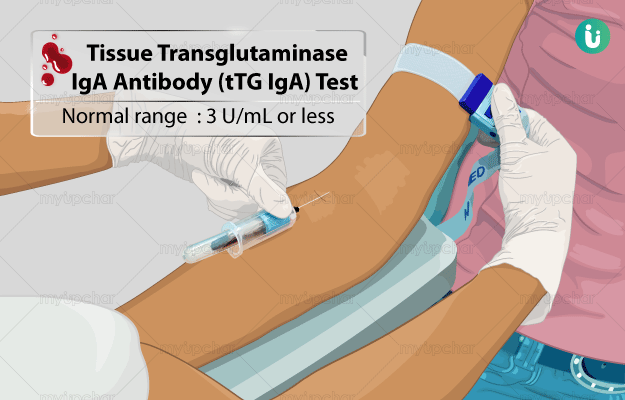 Tissue Transglutaminase IgA Antibody (tTG IgA) Test: Procedure, Purpose
So, what should you do if your result is 10 U/ml? Here are some practical suggestions. Don't panic — a value at or near 10 U/ml is not a definitive diagnosis. Reach out to your doctor and request a follow-up discussion about whether a duodenal biopsy or additional bloodwork is needed. Before any follow-up testing, make sure you have not stopped eating gluten, because an active gluten diet is required for accurate results. It also helps to keep a food diary and track your symptoms so you can share meaningful information with your healthcare team. If you have family members with known celiac disease, consider having them tested as well. Finally, ask your lab about the specific reference range they use, since labs sometimes vary slightly, and knowing the exact cutoff can prevent unnecessary worry or missed diagnoses.
Tissue transglutaminase IgA testing at 10 U/ml represents something much bigger than just a number on a lab report. It is a gateway to early detection, better health decisions, and peace of mind for you and the people you love. Whether the number ultimately reveals celiac disease or turns out to be a false alarm, the act of testing and following up on that result puts you in the driver's seat of your own health journey. With so many screening tools available today, taking advantage of a simple blood test like this one is one of the smartest, most proactive steps anyone can take. Stay informed, stay curious, and never underestimate the power of a single number to change everything.


