Tiny Long Black Bugs In House

There’s something oddly satisfying about finally getting to the bottom of a household mystery, especially when that mystery involves tiny, long, black bugs scurrying across yo...
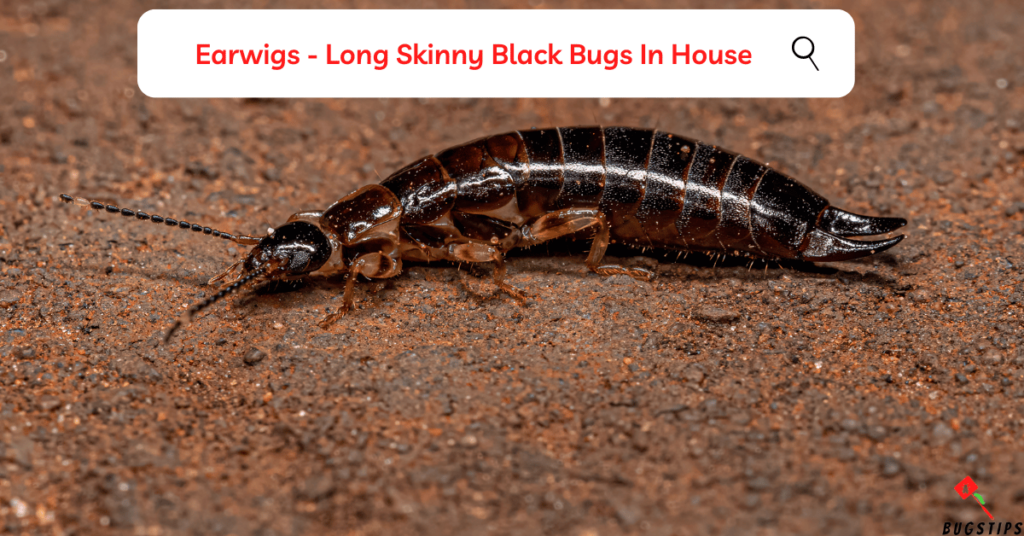
There’s something oddly satisfying about finally getting to the bottom of a household mystery, especially when that mystery involves tiny, long, black bugs scurrying across your countertop or hanging out near the baseboard. This topic might sound like a chore, but it’s actually one of those practical life skills that brings a surprising sense of relief and control. Instead of panicking or feeling grossed out, you can approach the situation with a detective’s calm. The main purpose here isn’t just to identify the critters—it’s to reclaim your space with confidence. Whether you’re a new renter, a seasoned homeowner, or someone who just hates surprises, knowing what these bugs are can save you time, money, and a lot of that creepy-crawly feeling.
Most of the time, these tiny black bugs aren’t a sign of a dirty home—they’re just opportunistic visitors looking for food, moisture, or warmth. Common culprits include carpet beetles, which are tiny, oval, and often found near fabrics or stored food. Then there are fungus gnats, which are slender and love damp soil in houseplants. Another frequent flyer is the plaster beetle, a pinhead-sized bug that thrives in humid areas like bathrooms or kitchens. Each one has a slightly different story, but the good news is that none of them are dangerous to humans. Recognizing these variations is half the battle—once you know the type, you can take the right steps without resorting to toxic sprays.
The first actionable tip is inspect before you react. Grab a flashlight and look closely: Are the bugs near windows or sinks? That suggests moisture-seeking pests like booklice or springtails. Are they in a bag of flour or cereal? You might be dealing with grain beetles. If you see them in a bedroom carpet or along baseboards, carpet beetles are likely. Patience here is key—don’t just squish and forget. Instead, note where you spot them most, because that spot tells you exactly where to clean or seal a gap. This simple observation step can turn a stressful situation into a manageable task.
Must Read
Once you’ve identified the likely type, focus on removing their food and water sources. For fungus gnats, let your plant soil dry out between waterings. For carpet beetles, vacuum under furniture and along baseboards weekly. For grain pests, transfer all open food packages into airtight containers. This is where the real satisfaction kicks in: you’re not just killing bugs, you’re changing the conditions that invited them. A quick sweep of crumbs, a wiped-down counter, and a sealed trash bin can make your home far less appealing. Many people find this step oddly therapeutic—it’s a clear, direct action with immediate results.
Another simple, effective move is to block entry points. Tiny bugs can squeeze through gaps smaller than a credit card’s edge. Use caulk to seal cracks along baseboards, windows, and pipes. Install mesh screens on vents and under doors. This is often the most overlooked step, yet it’s the most preventative. By doing this, you stop new bugs from wandering in, while you handle the ones already inside. It’s like putting up a “no vacancy” sign. Pair this with a dehumidifier in damp rooms, and you’ll see a dramatic drop in bug activity within a week or two.
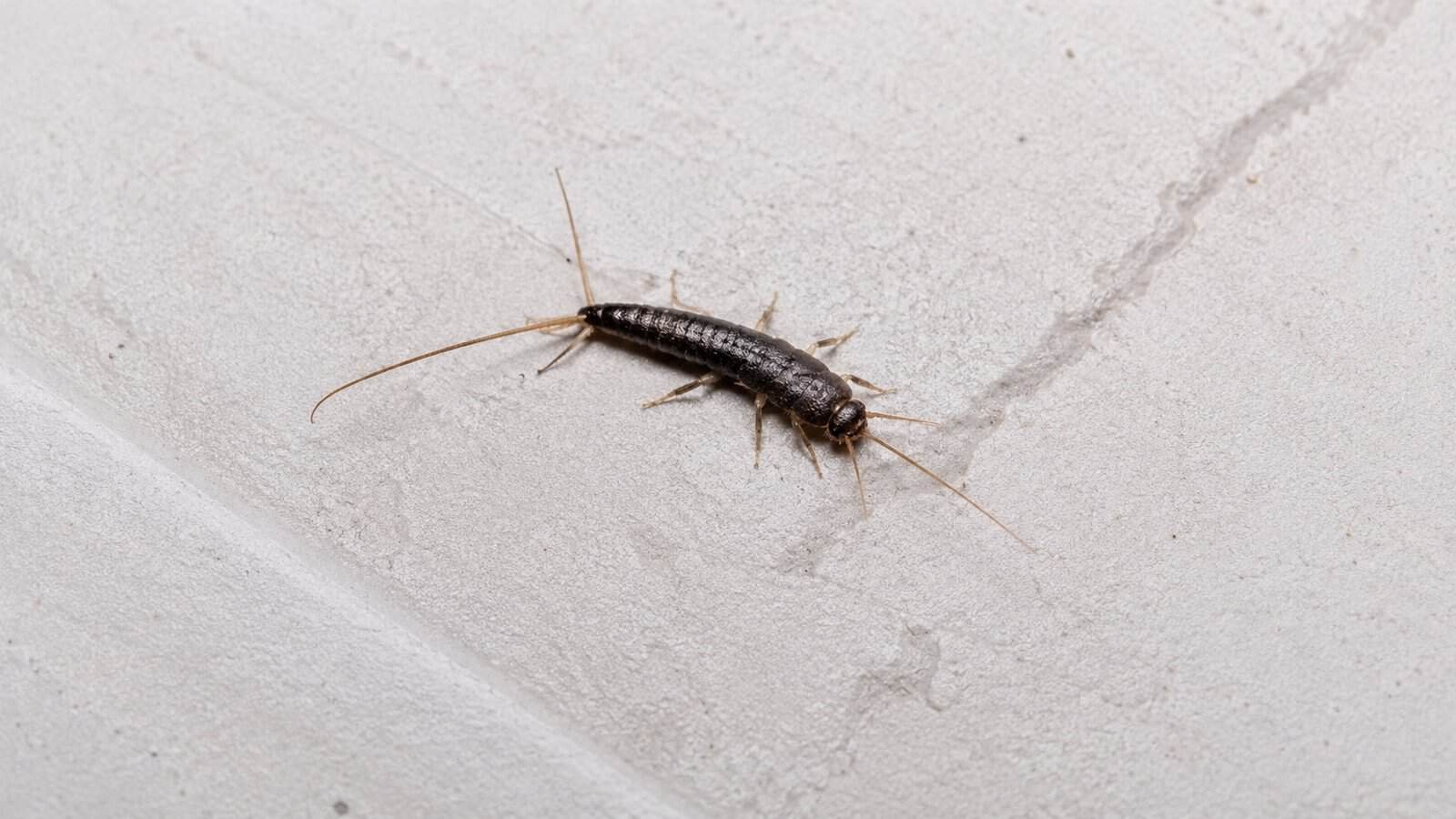 Long Skinny Black Bug in House - tinyhousel.com
For those who want to go the natural route, there are gentle but powerful helpers. Diatomaceous earth—a fine powder made from fossilized algae—works like microscopic shards to dehydrate insects. Sprinkle a thin layer in corners or under appliances, but avoid breathing it in. White vinegar spray (one part vinegar to three parts water) disrupts ant trails and deters many pests. Even sticky traps placed near problem areas can reduce numbers without chemicals. These methods are especially great for households with kids or pets, giving you peace of mind while tackling the issue head-on.
At the end of the day, dealing with tiny black bugs isn’t about perfection—it’s about progress and perspective. A few bugs here and there are normal; they’re part of sharing a home with nature. The real win is knowing that you have the tools to manage them with ease and wisdom. So the next time you spot one of those little black specks, take a breath, smile a little, and remember: you’ve got a simple plan, a bit of know-how, and the satisfaction of being one step ahead. That’s a pretty good feeling for a topic that’s usually just a bug.