The Result Of Attempting To Whip Cream In A Blender

So, picture this: It’s a Tuesday night. You’ve decided to be fancy and make homemade whipped cream for your brownie sundae. You’re feeling efficient. You spot your trusty blen...
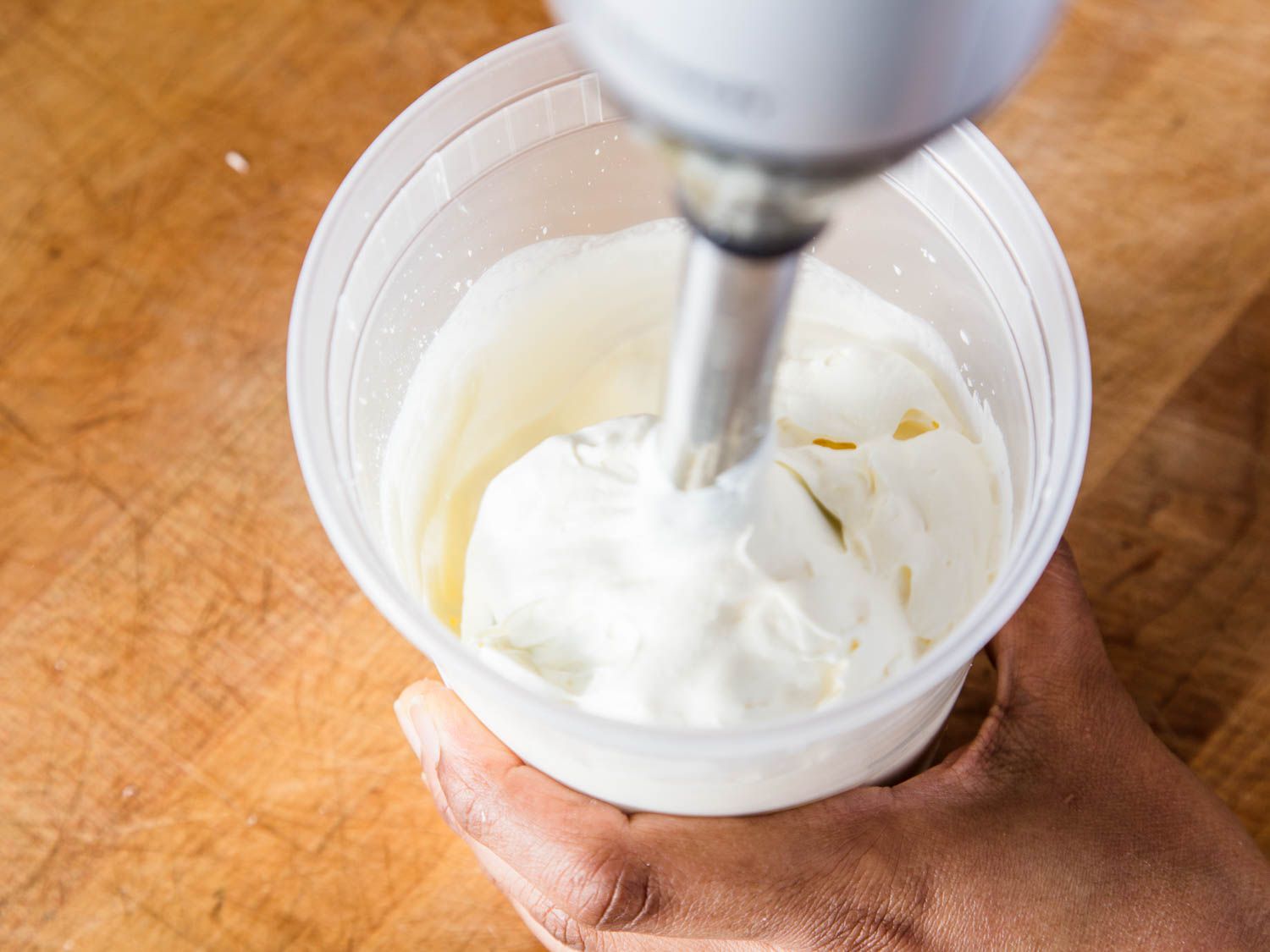
So, picture this: It’s a Tuesday night. You’ve decided to be fancy and make homemade whipped cream for your brownie sundae. You’re feeling efficient. You spot your trusty blender. “Why dirty a whisk or hand mixer?” you think. “This machine is powerful! It’ll take five seconds!” Oh, sweet, summer child. Let me tell you about the time I attempted to whip cream in a blender—and what it actually yields.
First, the setup is deceptively simple. You pour in the cold heavy cream, add a splash of vanilla and a bit of sugar, and press “Low.” For about three glorious seconds, it looks promising. The cream swirls, the blades hum. You feel like a kitchen genius. Then, in a blink, that smooth liquid turns into a thick, almost curdled-looking mess. You hear a chug-chug-chug sound, like the blender is having a mild heart attack. And then—silence. You open the lid, and instead of billowy clouds of whipped cream, you find… butter.
Yes, butter. What you’ve actually done is bypass the entire whipped cream stage and fast-tracked yourself to homemade butter with a little vanilla essence. The high-speed blades separate the fat globules from the liquid (buttermilk) at warp speed. Unless you have a high-end blender with a variable speed dial and you’re willing to pulse it exactly three times, you’ll skip right over “soft peaks” and land squarely in “sorry, you’ve made a dairy spread.” It’s not your fault. The blender is just too powerful for something so delicate. It’s like using a sledgehammer to crack a nut—except the nut is a cloud, and the sledgehammer is a small tornado.
Must Read
But here’s the funny part: that “failure” is actually a gateway. Once you have the butter, you can drain off the liquid (save it for pancakes), press the solids into a little pat, and suddenly you’re the person who says, “Oh, I made butter earlier. No big deal.” It’s a happy accident. And if you really want whipped cream, you can salvage it by adding a tablespoon of cold milk to the butter mixture and blending again on low—but it will never be as fluffy. It’ll be dense, almost like a spreadable frosting.
 How To Use Whip It Cream
The real lesson? Whipped cream is a drama queen. It needs gentle coercion, not brute force. My grandmother used a fork and a bowl for ten minutes. My friend swears by shaking it in a mason jar. Me? I now keep a $5 hand whisk from the dollar store. Because sometimes, trying to be efficient just leads to an unexpected butter-making hobby.
And yet—and this is the uplifting part—there is no real failure in the kitchen. You didn’t ruin the cream. You just transformed it. Instead of topping a brownie, you can now spread your fresh butter on that brownie, or on toast, or call it “compound butter” and feel fancy. The blender, in its blunt, high-speed wisdom, gave you a lesson in patience and a funny story. So next time you reach for the blender to whip cream, I dare you to do it anyway. Embrace the chug-chug-chug. And when you open the lid to find a solid lump, just shrug, smile, and say, “Well, looks like we’re having butter.” Because in the end, you’ll still end up with something delicious—and a reminder that not everything has to be perfect to be a joyful, creamy, accidental win.
