The Minimum Internal Temperature For Scrambled Eggs

Let’s be honest: few things in life are as satisfying as a perfectly cooked plate of scrambled eggs. They’re a universal comfort food, a blank canvas for a million different b...
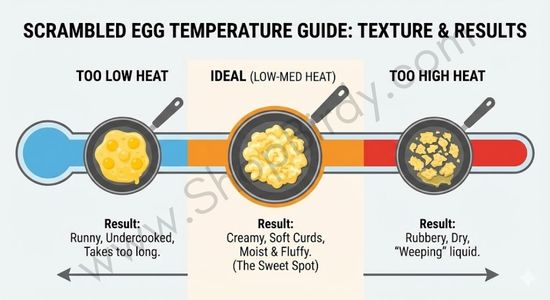
Let’s be honest: few things in life are as satisfying as a perfectly cooked plate of scrambled eggs. They’re a universal comfort food, a blank canvas for a million different breakfasts, and a skill that feels both humble and wildly personal. We all have our preferences—some like them soft and custardy, others prefer them firm and fluffy. But behind every great batch, there’s a quiet, crucial detail that often gets overlooked: the minimum internal temperature. Getting this right isn’t about being fussy; it’s about unlocking the safest, most delicious eggs of your life, and it’s a surprisingly fun little science project for your morning routine.
The main purpose of knowing this temperature is two-fold: food safety and texture perfection. The USDA recommends cooking eggs to an internal temperature of 160°F (71°C) to kill potential bacteria like Salmonella. But here’s the delightful twist—that’s also the magic number where egg proteins coagulate into that creamy, non-rubby curd we crave. For a busy parent packing a quick school breakfast, this means peace of mind. For the weekend brunch enthusiast, it’s the secret to elevating a simple dish into something that tastes like it came from a five-star café. It benefits everyone, ensuring that even the most chaotic morning meal is both safe and scrumptious.
You’ve probably noticed the classic debate: the French-style (slow, low heat, nearly liquid) versus the American-style (higher heat, larger curds). A French-style scramble might reach 145°F partway through, while an American scramble often hits 165°F quickly. Even within these variations, the 160°F target is key. For instance, if you add cream cheese or crème fraîche, the extra fat lowers the cooking speed, meaning you need to be patient until that thermometer confirms safety. Or if you’re making a bulk batch for a crowd, you’ll want to ensure every portion reaches that minimum, avoiding that dreaded watery mess from undercooked whites.
Must Read
The best part? You don’t need a fancy chef’s kit. A simple instant-read thermometer is your new best friend. Just slide it into the center of the curds, pulling the pan off the heat when it hits 155°F (the carryover cooking will boost it to 160°F as you plate). My actionable tip: cook your eggs over medium-low heat, stirring gently but constantly. This even heating prevents burnt spots and allows the thermometer to give an accurate reading. And please, resist the urge to add salt too early—it breaks down the eggs and makes them weepy. Season right at the end.
Once you start thinking in terms of temperature, you’ll notice your scrambled eggs transform. You’ll stop relying on guesswork and visual cues that can be deceiving (a slightly wet look can hide a fully cooked interior). This approach also saves you from the tragedy of overcooked, rubbery eggs. By pulling them off at the precise moment, you preserve that silky moisture that makes people lean in and ask, “How did you get them so creamy?” It’s a simple shift in technique that yields enormous rewards.
 How to Cook Perfect Eggs | Hestan Cue
For the adventurous home cook, consider this your gateway to egg mastery. Once you’ve nailed 160°F for plain scrambled eggs, try variations like adding a splash of milk, tossing in sharp cheddar, or folding in smoked salmon and chives. Each addition changes the heat capacity slightly, so keep that thermometer handy. The beauty is that the principle remains the same: safety first, texture second, and a little bit of curiosity makes all the difference. You might even start timing your perfect batch to the second.
So next time you crack those eggs, skip the stress and embrace the science. With a cheap thermometer and a bit of patience, you’ll be serving up the kind of scrambled eggs that earn compliments and empty plates. It’s a small, joyful habit that turns a routine breakfast into a small victory. After all, life’s too short for cold, runny eggs—or dry, rubbery ones. Aim for that golden 160°F, and you’ll hit the sweet spot every time.