Sweet Rice Flour Vs White Rice Flour

Hey there, food explorers! Ever found yourself in the flour aisle, squinting at those tiny labels, trying to figure out the difference between sweet rice flour and its not-so-...
Hey there, food explorers! Ever found yourself in the flour aisle, squinting at those tiny labels, trying to figure out the difference between sweet rice flour and its not-so-sweet cousin, white rice flour? Well, buckle up, because we're about to dive into a fun-filled flour fight that'll leave you saying, "Who knew rice could be so interesting?"
Meet the Contenders
First up, we have sweet rice flour, also known as glutinous rice flour. Now, don't go getting any ideas, it's not that kind of gluten. This gluten-free wonder is made from short-grain rice that's been ground into a fine powder. It's got a unique, slightly sweet taste and a sticky texture that makes it a star in many Asian dishes.
Next, we have white rice flour, the more mainstream of the two. Made from long-grain rice, it's got a neutral taste and a lighter texture. It's the go-to for many gluten-free bakers, but it's got a bit of a reputation for making baked goods a tad... well, crumbly.
Must Read
Round 1: Taste Test
Alright, let's talk taste. Sweet rice flour, as the name suggests, has a subtle sweetness that can add a nice touch to both sweet and savory dishes. It's like the rice version of a secret ingredient, sneaking in a little extra flavor without anyone suspecting a thing.
White rice flour, on the other hand, is the chameleon of the flour world. It takes on the flavor of whatever it's paired with, making it a versatile choice for both sweet and savory dishes. It's like the ultimate sidekick, always ready to support the main act.
Round 2: Texture Talk
Now, let's get sticky. Sweet rice flour is known for its, well, stickiness. It's got a unique ability to bind ingredients together, making it a great choice for dumplings, mochi, and even gluten-free bread. It's like the superglue of the flour world, holding everything together with ease.
White rice flour, however, is more of a free spirit. It's got a lighter, less sticky texture that makes it a great choice for pancakes, waffles, and even some types of pasta. It's like the laid-back friend who's always up for a good time but doesn't like to be tied down.
Round 3: Nutritional Showdown
Alright, let's get serious for a sec. Nutritionally, these two are pretty similar. They're both low in protein and high in carbs, making them a good choice for those watching their protein intake. But here's where it gets interesting: sweet rice flour has a higher glycemic index than white rice flour, meaning it can cause a quicker blood sugar spike. So, if you're watching your blood sugar, white rice flour might be the way to go.
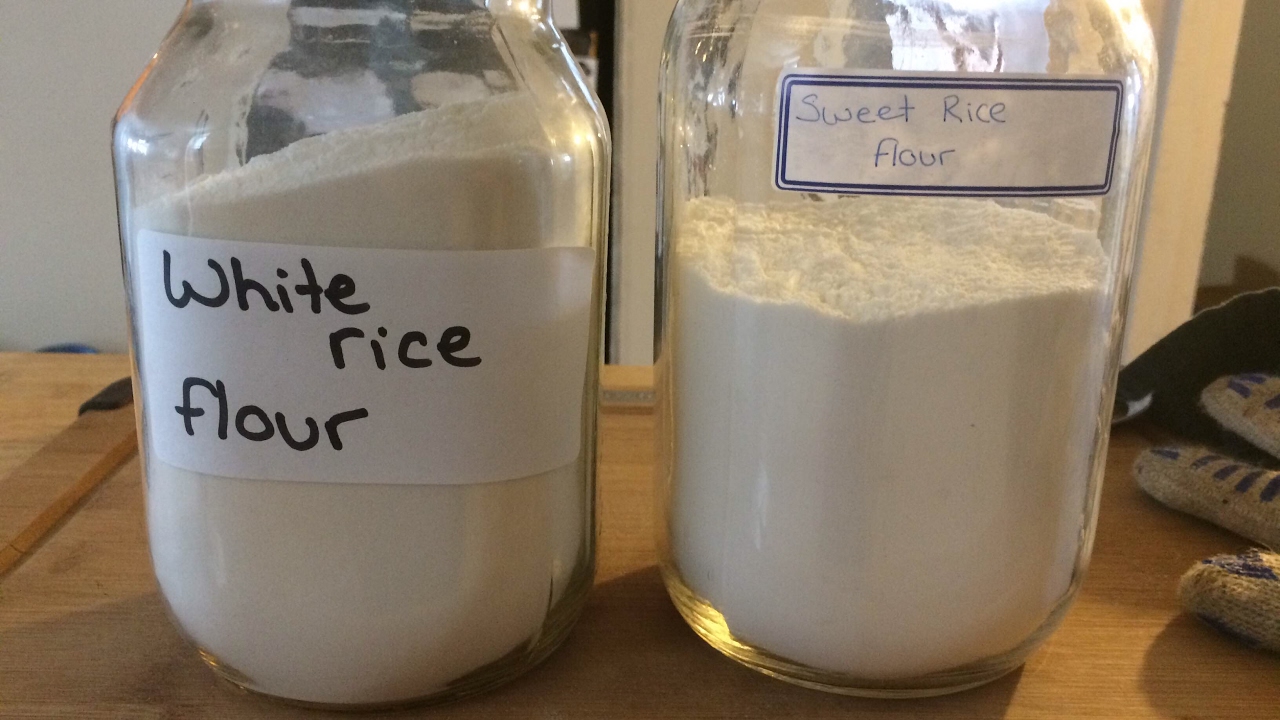 Making White Rice Flour - Who knew it was this easy! - YouTube
Round 4: The Great Bake-Off
Now, let's talk baking. White rice flour is a common choice in gluten-free baking, but it's got a bit of a reputation for making baked goods a tad... well, crumbly. It's like the friend who means well but just can't quite keep things together.
Sweet rice flour, however, can be a game-changer. Its sticky nature can help bind gluten-free baked goods, making them less crumbly and more cohesive. It's like the friend who steps in to hold everything together when things start to fall apart.
Honorable Mention: The Quirky Facts
Alright, enough with the serious stuff. Let's talk quirky facts. Did you know that sweet rice flour is a key ingredient in many Asian desserts? It's what gives mochi its chewy, stretchy texture. And get this, some people even use it to make gluten-free playdough. Talk about a versatile ingredient!
And white rice flour? Well, it's not just for eating. Some people use it as a natural deodorizer, sprinkling it in their shoes or in their fridge to absorb odors. Who knew rice flour could be so multitalented?
So, there you have it, folks. The great sweet rice flour vs white rice flour debate. Whether you're a sweet rice flour fan or a white rice flour lover, one thing's for sure: rice flour is a lot more interesting than it looks. So next time you're in the flour aisle, don't just grab the first bag you see. Give these two a chance, and who knows? You might just find your new favorite flour.
