Super Firm Tofu Vs Extra Firm

Welcome, tofu explorers! If you’ve ever stood in the grocery aisle staring at a block of white, wondering whether to grab the one labeled “Super Firm” or the one that says “Ex...
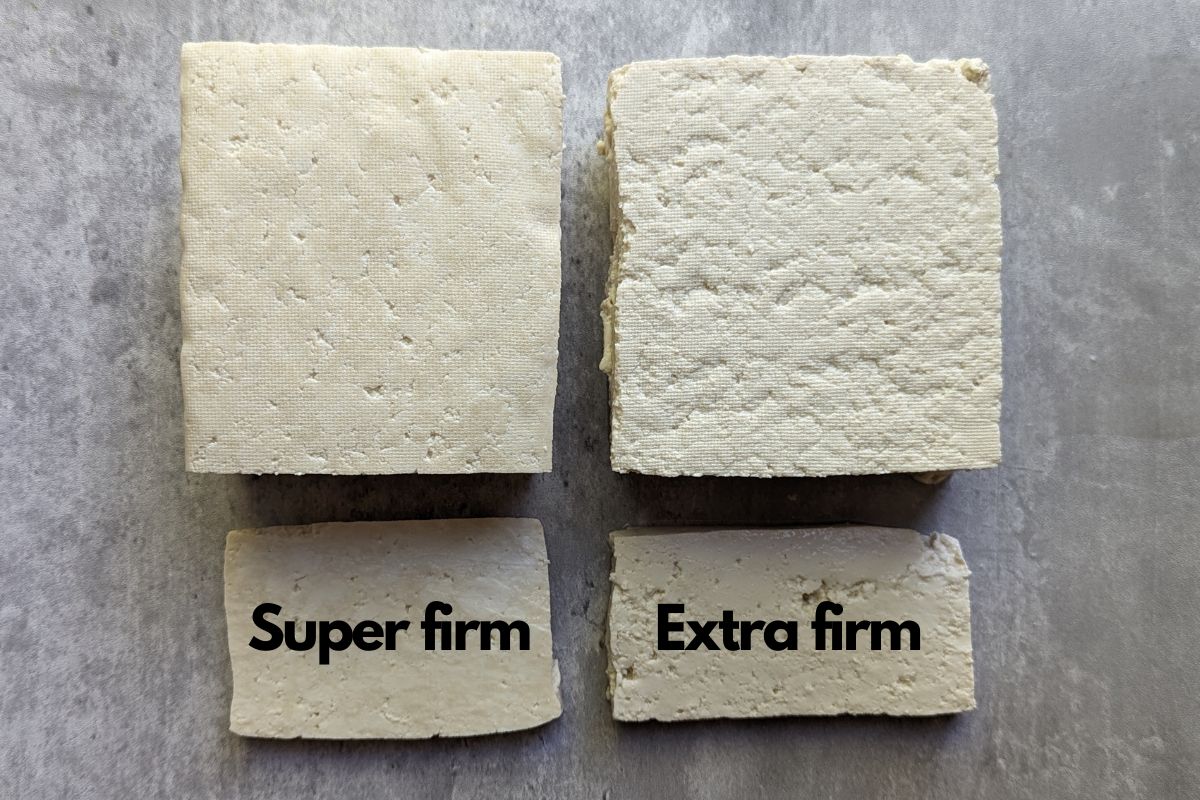
Welcome, tofu explorers! If you’ve ever stood in the grocery aisle staring at a block of white, wondering whether to grab the one labeled “Super Firm” or the one that says “Extra Firm,” you are in for a treat. This is not just a debate about texture—it’s a culinary adventure that can transform your cooking from good to absolutely incredible. Understanding the difference between these two tofu titans is the secret to leveling up your stir-fries, grills, and scrambles. Think of this as your friendly guide to mastering the firmness spectrum, giving you the power to choose exactly the right block for every dish you crave. Let’s dive into a world where tofu isn’t just a protein—it’s a playful, versatile star.
So, what’s the real distinction? Extra Firm tofu is the reliable workhorse. It holds its shape well, has a dense, sponge-like interior, and absorbs marinades like a champ. It’s the go-to for most stir-fries, stews, and simple pan-frying. Super Firm, on the other hand, is the heavyweight champion. It’s vacuum-packed (often without water), and its texture is almost chewy or meaty, with a very low moisture content. The purpose of choosing between them is all about control: Extra Firm gives you a tender, satisfying bite, while Super Firm delivers a dense, resilient chew that mimics chicken or steak. The advantage? You can tailor your tofu to your exact craving—whether that’s a silky yet sturdy curry or a crispy, crunchy teriyaki plate.
Let’s talk practical magic. Imagine you’re making a classic Kung Pao Chicken—but with tofu. If you use Extra Firm, you’ll get lovely golden-brown cubes that crisp on the outside and stay soft inside, soaking up the spicy, sweet sauce. Now, try that same dish with Super Firm: the cubes won’t just crisp—they’ll sear into tiny flavor bombs with a satisfying snap when you bite into them. Or consider a barbecue tofu sandwich. Extra Firm will shred into tender “pulled pork” pieces, while Super Firm can be sliced into thick slabs and grilled with deep char marks, holding its shape even without cornstarch. For a fun twist, use Extra Firm in a vegan “tuna” salad (mash it with mayo, seaweed, and lemon), but reach for Super Firm when you want to make tofu “steaks” that you can actually cut with a knife and fork.
Must Read
Here’s a creative idea to test your skills: make a “Tofu Dual-Texture Bowl.” Cube Extra Firm, toss it in soy sauce and sesame oil, then bake until crispy on the outside. Separately, slice Super Firm into thin, long strips, marinate in gochujang and maple syrup, then pan-sear until they’re almost jerky-like. Pile both over rice with pickled vegetables and avocado. The contrast—crispy-tender versus chewy-savory—creates an incredible mouthfeel in every bite. It’s like having two different proteins in one meal, but both are proudly tofu. That’s the power of knowing your firmness.
Practical advice, coming right up! First, never skip pressing Extra Firm if it’s packed in water. Wrap it in a clean towel, place a heavy pan on top, and let it sit for 15 minutes. For Super Firm, which is usually water-free, you can skip this step—just pat it dry. Second, marination is your best friend for both types. Extra Firm benefits from a longer soak (30 minutes to an hour) because it drinks up flavors like a sponge. Super Firm prefers a shorter, more intense marinade (15–20 minutes) or a dry rub—its dense structure means flavors sit on the surface more than they penetrate. Third, cornstarch is the secret weapon for Extra Firm to get that restaurant-crisp texture. For Super Firm, a light dusting of potato starch or even no coating at all works wonders, as its low moisture means it sears beautifully on its own.
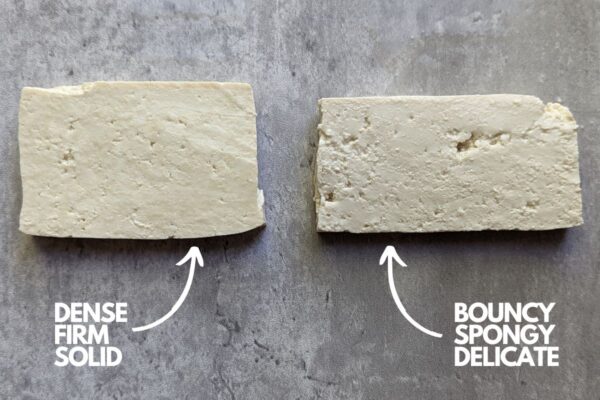 Super-Firm vs Extra-Firm Tofu - Plant Based And Broke
Now, let’s talk about freezing—a game-changer for both! If you freeze Extra Firm (then thaw it), it becomes incredibly spongy and chewy, much closer to Super Firm in texture. Try this: freeze a block, thaw it in the fridge, press out the melted water, and you’ll have a tofu that soaks up marinades like a dream and grills like a champ. For Super Firm, freezing actually makes it even denser and more crumbly—perfect for crumbling into chili or tacos. Pro tip: After thawing frozen Super Firm, squeeze out any excess liquid and use it as a ground “meat” substitute. It’s mind-blowing in shepherd’s pie or Bolognese sauce.
One common mistake? Treating them the same way. Don’t use Super Firm in a delicate miso soup—it will be too bulky and won’t warm through as nicely. Instead, use Extra Firm for soups, curries, and braises. Don’t use Extra Firm for a kebab or skewer on the grill—it might break apart. Super Firm is your skewer superstar, staying intact over flames. The golden rule: Extra Firm for tenderness and sauciness; Super Firm for structure and a meaty bite. Embrace this, and you’ll never second-guess your tofu purchase again.
So, next time you’re at the store, you can smile knowingly. Whether you choose the reliable Extra Firm for a cozy stir-fry or the powerful Super Firm for a bold, grilled masterpiece, you are in control. This isn’t a competition—it’s a partnership. By understanding both, you unlock a world of texture, taste, and creativity. Now go forth, press, marinate, and sizzle. Your taste buds—and your dinner guests—will thank you. Happy cooking!
