Sunflower Oil Vs Vegetable Oil

Let’s be honest: most of us have stood in the cooking oil aisle, staring at the bottles like they hold the secrets to the universe. Sunflower oil? Vegetable oil? Are they secr...
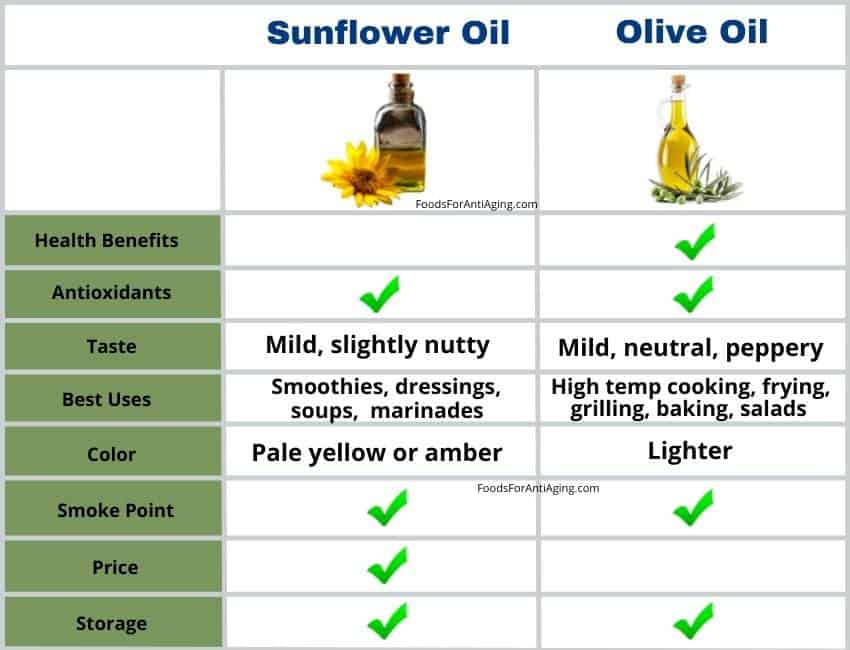
Let’s be honest: most of us have stood in the cooking oil aisle, staring at the bottles like they hold the secrets to the universe. Sunflower oil? Vegetable oil? Are they secret twins, or distant cousins who can’t stand each other? I’ve been there, holding a bottle in each hand, while my dinner waited impatiently on the stove. Today, we’re going to solve this little kitchen mystery together.
The Great Identity Crisis: What Is “Vegetable Oil” Anyway?
Here’s the thing—vegetable oil isn’t actually one thing. It’s a team player, a blend of different oils like soybean, canola, corn, or palm. Think of it as the “mystery mix” of the oil world. You buy it for its neutral attitude—it doesn’t want to boss your food around. Sunflower oil, on the other hand, is a solo artist. It comes straight from sunflower seeds, and it’s proud of that fact.
I once brought a bottle of sunflower oil home, and my roommate asked, “Is this fancy?” I said, “It’s just a sunflower in liquid form.” We both laughed, but honestly, it feels a little more special. It’s like choosing a single-origin coffee over a generic blend—you can taste the story.
Must Read
The Smoke Point Showdown (aka: Don’t Burn Your Dinner)
Imagine you’re about to sear a steak or fry some crispy tofu. You need heat—serious heat. That’s where the smoke point matters. Sunflower oil usually has a higher smoke point (around 440°F) than most vegetable oil blends. That means it can handle the heat without turning into a smoky mess that sets off your fire alarm.
Vegetable oil is still a reliable friend for medium-heat cooking, like sautéing veggies or baking. But if you’re trying to get that golden-brown crust on your fried chicken, sunflower oil is the champion. My neighbor once used vegetable oil for deep-frying and ended up opening every window in his apartment. He learned the hard way.
The Flavor Factor: One Has a Personality
Vegetable oil is the polite guest at the dinner table—it shows up, does its job, and doesn’t leave a strong impression. You want that for things like mayonnaise or delicate cakes, where the oil shouldn’t steal the show. Sunflower oil, though, has a subtle nutty, almost buttery hint. It’s gentle but present, like a friend who compliments your shirt without being loud about it.
I once made a salad dressing with sunflower oil, and my kid asked, “What did you put in this? It tastes happy.” I think she meant it. For vinaigrettes or drizzling over roasted veggies, sunflower oil adds a quiet something that vegetable oil just can’t fake.
 Olive Oil vs Oil (Sunflower): Calories & Nutrition Showdown
The Health Angle: What’s Hiding in Your Bottle?
Both oils are high in unsaturated fats, which your heart will thank you for. But here’s the catch: vegetable oil blends can include highly processed oils like soybean or cottonseed oil, which may contain more omega-6 fats. We already get plenty of omega-6 in our diets (hello, fast food), and too much can cause inflammation. Sunflower oil, especially the high-oleic kind, leans more toward heart-friendly monounsaturated fats—the same good stuff in olive oil.
That doesn’t mean vegetable oil is a villain. It’s just a bit of a wildcard. If you buy a generic bottle, you don’t always know what’s inside. With sunflower oil, you know exactly what you’re getting: seeds, sunshine, and a dash of trust. I check labels now, and I feel like a detective, but a cozy one.
Everyday Moments: When to Grab Which
Let’s paint a picture. You’re making Saturday morning pancakes. You want a light, fluffy texture. Vegetable oil is your best friend here—it mixes in without a trace. But if you’re making a quick stir-fry with garlic and ginger, sunflower oil adds a whisper of richness that makes the dish feel cozy. I like to keep both in my pantry: one for weekday simplicity, one for weekend flair.
And don’t forget popcorn! I tried popping kernels in sunflower oil once, and it was a revelation. The oil clung to each flake like a tiny hug. Vegetable oil would have just made them greasy. Little victories like that make cooking fun.
 Sunflower Oil vs Vegetable Oil: Which Cooking Oil Should You Prefer
The Budget Bottom Line
Usually, vegetable oil is cheaper because it’s a blend of less expensive crops. Sunflower oil can cost a bit more, but you pay for that purity and flavor. If you’re feeding a big family or frying often, vegetable oil is practical. If you’re treating yourself to a nice roast chicken or a homemade aioli, spring for the sunflower oil.
I once bought a big jug of cheap vegetable oil and used it for everything. It worked, but my food never sang. When I switched to sunflower oil for special meals, I noticed the difference. It’s okay to mix it up. You don’t have to pick one forever.
The Final Pour
So, sunflower oil vs vegetable oil? There’s no wrong choice—only the right choice for your moment. Vegetable oil is the reliable, all-purpose friend who’s always ready. Sunflower oil is the one who brings a little sunshine to the table. Pick whichever feels right for your pan, your taste, your mood. And if you’re still unsure? Just buy both. Your kitchen is your kingdom.
Now go make something delicious. And don’t forget to smile at the bottle you choose.
