Sunflower Oil Or Vegetable Oil

So you’re standing in the baking aisle, and there they are: the big plastic bottles of sunflower oil and vegetable oil, staring at you like old frenemies. You’ve probably grab...
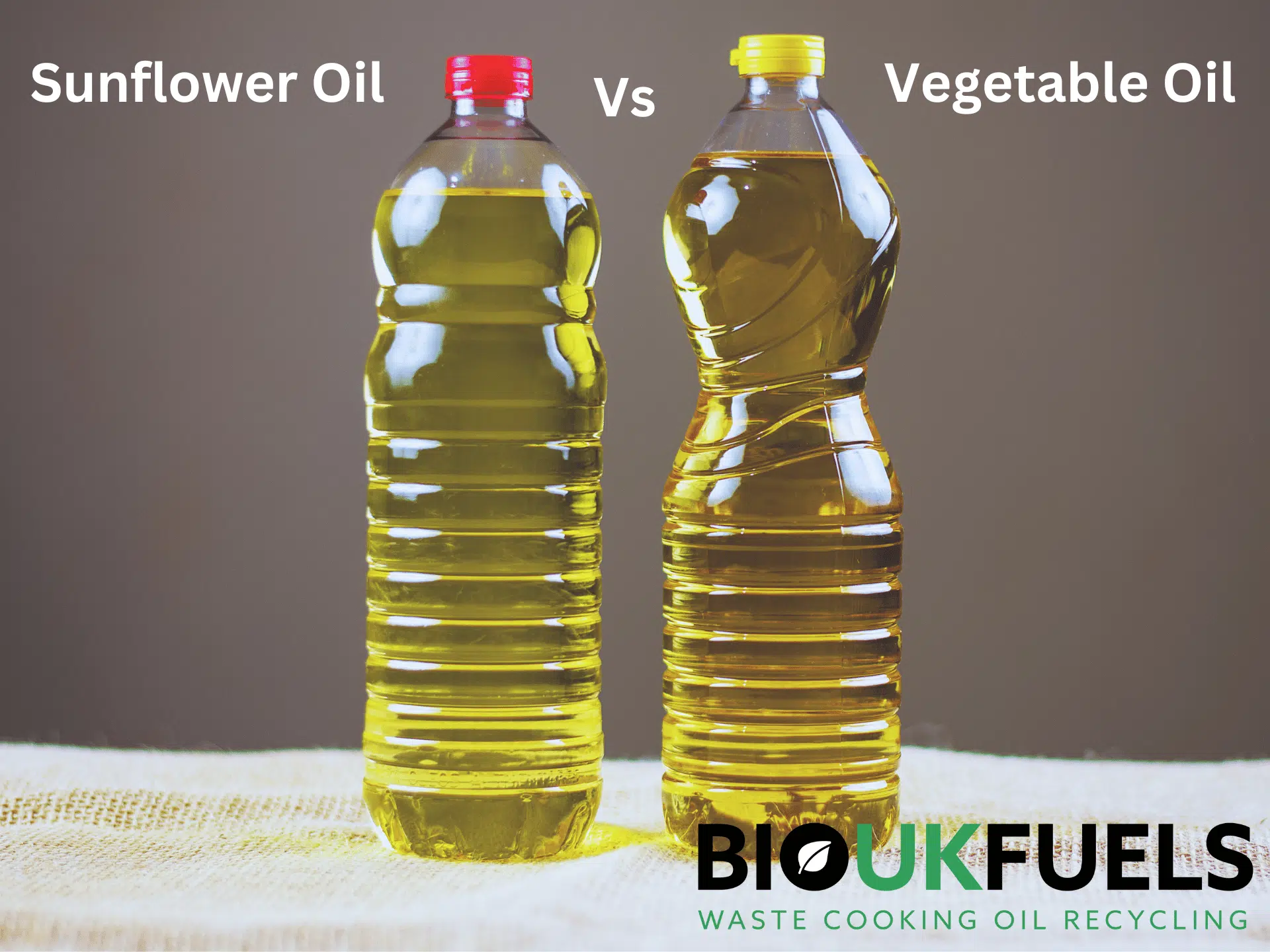
So you’re standing in the baking aisle, and there they are: the big plastic bottles of sunflower oil and vegetable oil, staring at you like old frenemies. You’ve probably grabbed one or the other without thinking, but have you ever wondered what’s actually in that bottle? Let’s dive in with a relaxed, curious vibe—no science lab coats required.
The big question: what’s the difference, anyway?
Here’s the first twist: vegetable oil isn’t one thing. It’s a catch-all term, like calling a pet “dog” when it could be a golden retriever or a mutt. Typically, vegetable oil is a blend of soybean, canola, palm, or sunflower oils—whatever’s cheapest or available. Sunflower oil, on the other hand, is the solo artist: it comes straight from sunflower seeds, no blends, no mystery. Isn’t that a little liberating?
Think of vegetable oil as a mystery soup and sunflower oil as a single-origin coffee. Which one sounds more exciting to your taste buds?
Must Read
Why sunflower oil feels a little more special
Sunflower oil often gets a shiny reputation because of its high smoke point. That means you can crank up the heat for frying or roasting without the oil breaking down into sad, smoky fumes. It’s like the cool friend who stays chill even when the party gets loud.
There’s also the vitamin E factor. Sunflower oil is packed with vitamin E, a antioxidant that helps your skin glow and your cells stay happy. Vegetable oil? Not so much—it usually loses nutrients during refining. Sunflower oil feels like a secret health boost hiding in your pantry.
And let’s be real: sunflower oil tastes milder. It’s neutral, like a blank canvas for your stir-fries or cakes. Vegetable oil can sometimes be heavier or have a faint aftertaste, like a beat-up guitar that’s out of tune.
But wait—vegetable oil isn’t the villain here
Don’t toss your veggie oil just yet. Vegetable oil’s superpower is its versatility. Because it’s a blend, it works for almost everything—baking, frying, sautéing, even making salad dressing. It’s the utility player on your kitchen team, like a Swiss Army knife that never complains.
 Sunflower Seeds:16 Benefits, Side Effects and How to Eat it
It’s also usually cheaper. For big batches of fried chicken or a giant batch of cookies, vegetable oil is your budget-friendly buddy. Sunflower oil can be pricier, especially the high-oleic versions that are trendy right now. Ever noticed how sunflower oil sometimes costs double? That’s the “cool factor” tax.
There’s one more thing: allergies. Vegetable oil blends might contain soy or peanut oil, which can be a problem for some folks. Sunflower oil is safer if you’re avoiding those triggers—it’s like the friend who brings a gluten-free cake to the party, but everyone loves it anyway.
The fun comparison: two personalities in one kitchen
Imagine vegetable oil as your reliable, no-frills car—a Honda Civic that gets you everywhere, never breaks down, and sips fuel. Sunflower oil is more like a vintage bicycle: flashy, healthy, and makes you feel a little cooler, but you might not take it on a cross-country road trip. Which one fits your mood today?
For deep-frying, go sunflower oil—it holds up to heat like a champion. For everyday baking or sautéing veggies in a rush, vegetable oil is totally fine. Your brownies won’t judge you, and your stir-fry will still taste amazing.
Here’s a curveball: the high-oleic sunflower oil. This version has more monounsaturated fat, which is heart-friendly and lasts longer on the shelf. It’s sunflower’s upgraded model, like buying the premium package on a laptop. Regular sunflower oil? It’s more standard, with a shorter shelf life, so don’t hoard it.
 Sunflower Oil: 12 Health Benefits, Nutrition, Side Effects & Usage Tips
What about taste? Does your dinner really care?
Honestly, in most recipes, you won’t taste the difference. Unless you’re making a delicate vinaigrette or a raw dressing, your brain will be busy enjoying the food. But if you do want a whisper of seediness, sunflower oil adds a subtle nuttiness that vegetable oil doesn’t have. It’s like the difference between a plain white shirt and one with a tiny embroidered flower—subtle, but noticeable.
For dessert? Sunflower oil makes cakes fluffy and light. Vegetable oil can sometimes make them denser, like a hug from a heavy blanket. But who’s complaining about a heavy blanket when it’s chocolate?
The final, low-pressure takeaway
Neither oil will save your life or ruin your dinner. Think of them as teammates, not rivals. Vegetable oil is your everyday go-to; sunflower oil is for those moments when you want to feel a little more intentional about your cooking.
Here’s a chill rule: if you’re frying at high heat or want the antioxidant boost, grab sunflower. If you’re just making pancakes or roasting potatoes, any veggie blend is perfect. Don’t overthink it—cooking should feel fun, not like a math test.
So next time you’re in that aisle, have a little conversation with the bottles. Ask them, “What are you bringing to my kitchen tonight?” And just pick the one that makes you smile. Your taste buds and your wallet will both be happy—and isn’t that the point of a relaxed meal?
