Substituting White Flour For Whole Wheat Flour

There’s something quietly satisfying about swapping out a familiar ingredient in your kitchen and discovering it works just as well—if not better. Substituting white flour for...
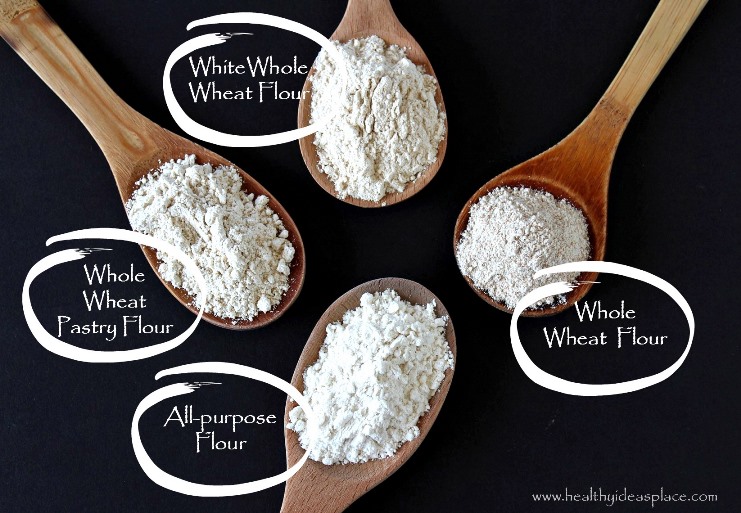
There’s something quietly satisfying about swapping out a familiar ingredient in your kitchen and discovering it works just as well—if not better. Substituting white flour for whole wheat flour is one of those small, practical tweaks that can make you feel both clever and healthy. It’s not about deprivation; it’s about adding a little depth, a nutty flavor, and a whole lot of fiber to your everyday baking. Whether you’re a weekend cookie baker, a busy parent sneaking in nutrients, or someone just trying to eat a bit more whole grains, this simple swap is widely appreciated for its versatility and the gentle, wholesome upgrade it brings to the table.
The main purpose of using whole wheat flour instead of white is nutritional richness. White flour is stripped of the bran and germ, leaving mostly starch, while whole wheat keeps all three parts of the grain—offering more fiber, protein, and vitamins like B vitamins and iron. For health-conscious home cooks, this means heartier pancakes, denser muffins, and bread that keeps you full longer. But here’s the thing: it doesn’t have to compromise taste. A common variation is half-and-half—simply replacing half the white flour with whole wheat. This gives you the best of both worlds: soft texture from the white, and a subtle, earthy flavor from the whole wheat that pairs beautifully with cinnamon, honey, or chocolate chips.
If you’ve ever tried a 100% whole wheat loaf and thought it tasted like cardboard, don’t worry—you’re not alone, and there are easy fixes. The trick lies in hydration and resting. Whole wheat flour absorbs more liquid than white flour, so add a tablespoon or two of extra water or milk to your dough or batter. Letting the mixture rest for 10 to 15 minutes before baking gives the bran time to soften, resulting in a less gritty, more tender crumb. For example, if you’re making banana bread, try swapping one cup of white flour for one cup of whole wheat, and add an extra splash of buttermilk. You’ll get a moist, delicious loaf that nobody will guess is “healthy.”
Must Read
Another common variation is the white whole wheat flour—a milder, lighter whole wheat made from a different variety of wheat. It behaves almost identically to white flour but keeps all the fiber. Many grocery stores stock it, and it’s an excellent gateway for picky eaters. I use it for pizza dough and soft dinner rolls, and the result is a golden, slightly nutty crust that’s still pliable. For cookies, you can even swap 100% of the white flour for white whole wheat, reduce the oven temperature by 25°F, and enjoy chewier, more satisfying treats.
 my family prepared: Flour vs. Whole Wheat Conversion Chart
To get started, don’t overhaul all your recipes at once. Pick one staple—like a batch of pancakes, a quick bread, or a batch of tortillas—and try a 50/50 blend. Measure carefully, as whole wheat flour packs more densely; gently spoon it into your measuring cup and level it off. If you’re feeling adventurous, add a teaspoon of vital wheat gluten to improve the structure in yeasted breads, though it’s optional for quick breads. Remember that whole wheat flour goes rancid faster due to the natural oils in the germ, so store it in an airtight container in the fridge or freezer if you don’t bake often.
Ultimately, this substitution is about progress, not perfection. Even a small shift—like replacing one-third of the white flour—adds more fiber and a richer flavor profile to your daily eats. You’ll find that whole wheat flour can make a simple peanut butter cookie taste almost like an oat-based snack, and a basic loaf of bread feels heartier and more satisfying. So go ahead, open that bag of whole wheat flour, and give your favorite recipe a gentle makeover. It’s an easy-going, rewarding habit that makes every bite count just a little more.
:max_bytes(150000):strip_icc()/__opt__aboutcom__coeus__resources__content_migration__simply_recipes__uploads__2020__04__Ultimate-Flour-Guide-LEAD-5-68b8f7d18d3446b3aa663f1dd9bbc203.jpg)
