Substituting Coconut Flour For Almond Flour

Baking is one of the most joyful kitchen adventures, and experimenting with flour substitutions takes that excitement to a whole new level. If you've ever stood in front of yo...
Baking is one of the most joyful kitchen adventures, and experimenting with flour substitutions takes that excitement to a whole new level. If you've ever stood in front of your pantry wondering whether coconut flour can step in for almond flour, you're not alone — and the answer is a resounding yes! Swapping one for the other opens up a world of possibilities for those with nut allergies, anyone following a paleo or gluten-free lifestyle, or simply anyone curious to try something fresh. The best part? With just a few simple guidelines, you can make the switch with confidence and keep your baking delicious, light, and perfectly textured every single time.
The purpose of this substitution lies in understanding the unique characteristics each flour brings to the table. Almond flour is made from finely ground blanched almonds and naturally contains more fat and moisture, giving baked goods a rich, tender crumb. Coconut flour, on the other hand, is derived from dried, defatted coconut meat and is remarkably highly absorbent. It soaks up far more liquid than almond flour does, which means recipes require adjustments in both flour quantity and egg content. Knowing this fundamental difference is the key to success, because it prevents the dry, crumbly results that many first-timers encounter. Approaching the swap with this knowledge transforms a common baking frustration into a smooth and rewarding experience.
When substituting coconut flour for almond flour, the general rule of thumb is to use approximately one-quarter to one-third the amount. For example, if a recipe calls for one cup of almond flour, start with about one-quarter cup of coconut flour. You'll also want to increase the eggs in the batter, as eggs provide the moisture and structure that coconut flour desperately needs. A helpful ratio to remember is that for every quarter cup of coconut flour, add one extra egg beyond what the original recipe uses. These small adjustments keep your cakes, cookies, and muffins beautifully moist rather than dry and chalky. A patient hand and a willingness to make little tweaks will get you closer to perfection with each attempt.
Must Read
There are so many creative ideas connected to this swap that will make you excited to head to the kitchen. Imagine whipping up fluffy pancakes with a subtle tropical sweetness that only coconut flour provides, or baking delicate sugar cookies that have a lighter, airier snap than almond flour versions. Coconut dough also works wonderfully for making savory items like flatbreads, scones, and even homemade pizza crusts. Because coconut flour carries a natural, gentle sweetness, it pairs beautifully with flavors like chocolate, banana, vanilla, and warm spices such as cinnamon and nutmeg. Trying a coconut flour brownie mix, for instance, can result in a dense, fudgy treat that feels completely indulgent while still being entirely grain-free — a win for every baker, whether they follow a special diet or not.
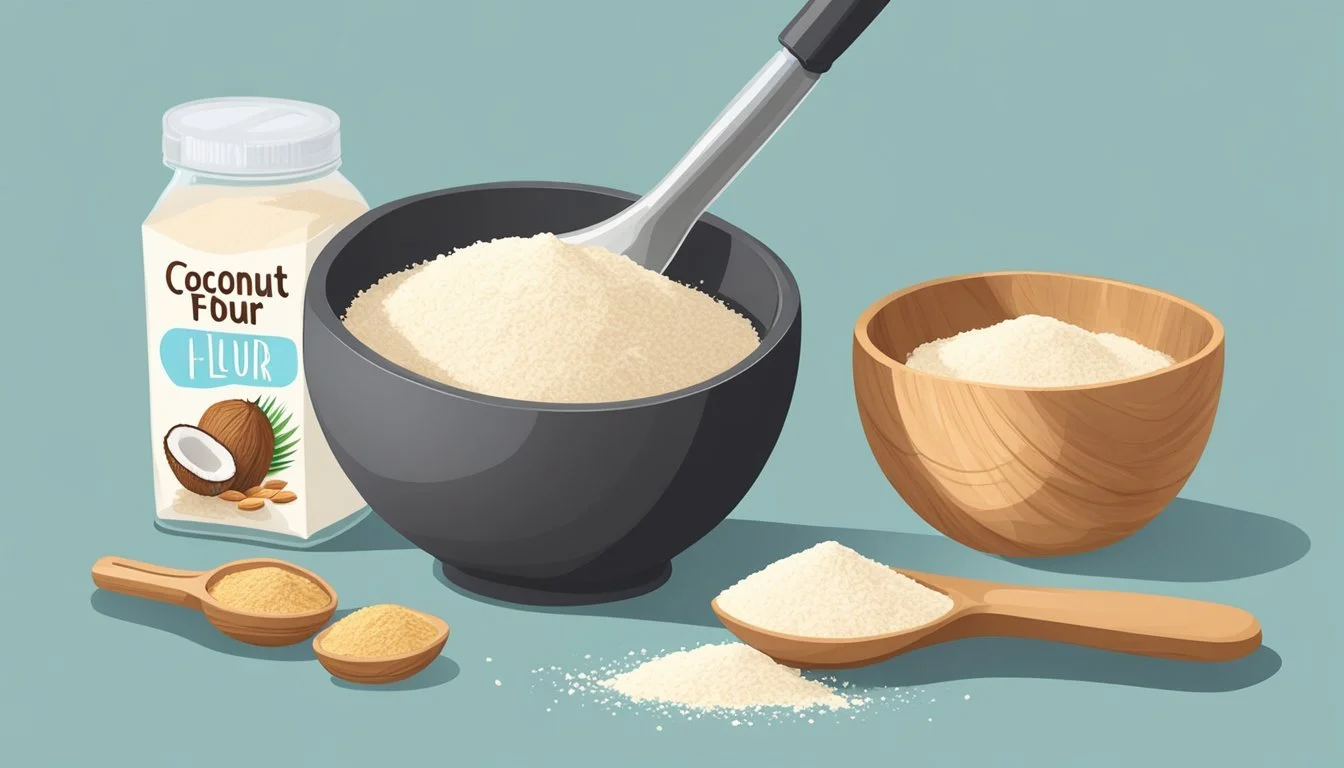 How to Substitute Coconut Flour for Almond Meal
Here are some practical tips to keep in mind as you venture into coconut flour territory. First, always sift the flour before using it, since it tends to clump in the package and can create uneven pockets of dryness in your batter. Second, let the batter or dough rest for about five minutes before baking — this gives the coconut flour time to fully absorb the liquid, resulting in a more consistent texture. Third, reduce the oven temperature slightly, because coconut flour baked goods cook faster and can brown too quickly on the outside while still being raw inside. Finally, start small — don't convert an entire recipe on your first try. Instead, halve the recipe or bake a quick test batch, so you can dial in the perfect ratios for your own taste without wasting ingredients or losing invaluable time.
Ultimately, substituting coconut flour for almond flour adds a wonderful new tool to your culinary toolkit. It broadens the range of flavors and textures you can enjoy, accommodates those with nut sensitivities, and introduces a naturally sweet, tropical flair that almond flour simply cannot replicate. The advantages are clear: greater dietary flexibility, more variety in your recipes, and the pure joy of discovering that a pantry staple swap can completely change the outcome of your favorite dishes. So grab that bag of coconut flour, embrace the trial-and-error spirit of baking, and enjoy every crunchy, fluffy, or beautifully golden bite that follows — your taste buds will thank you.