Substituting Almond Milk For Milk In Baking

The joy of swapping almond milk for regular milk in baking is surprisingly satisfying: it lets you keep the comfort of your favorite treats while opening the door to a wider r...
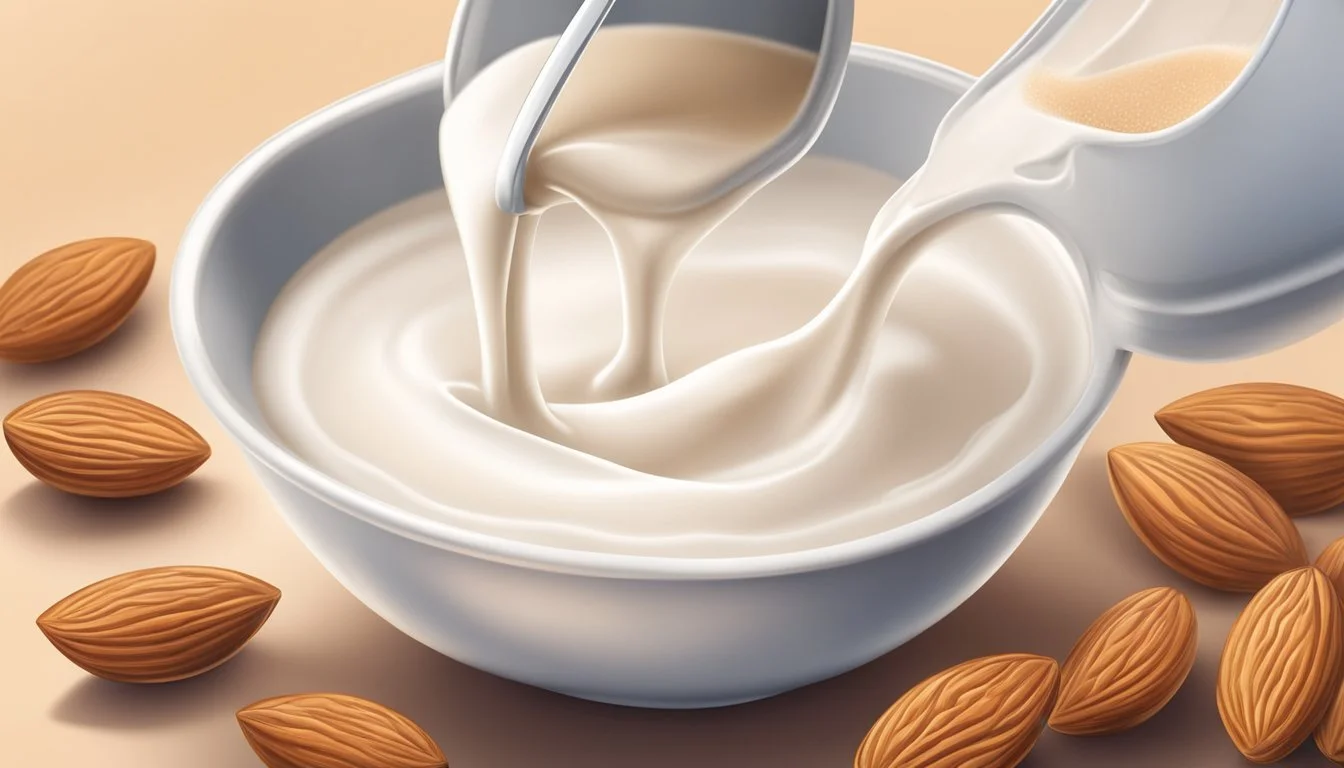
The joy of swapping almond milk for regular milk in baking is surprisingly satisfying: it lets you keep the comfort of your favorite treats while opening the door to a wider range of tastes and dietary needs. This simple substitution is practical for anyone who is lactose‑intolerant, following a vegan lifestyle, or simply looking to reduce dairy without sacrificing flavor. The result is a kitchen that feels both inclusive and flexible, giving bakers the confidence to experiment with ingredients they might never have considered before.
At its core, the purpose of using almond milk is to replicate the moisture, richness, and mild sweetness that cow’s milk brings to a batter or dough. Almond milk contains enough water and natural fats to keep baked goods tender, while its subtle nuttiness can add a pleasant depth to cookies, muffins, and cakes. For health‑conscious cooks, almond milk offers a lower calorie option; for eco‑aware bakers, it reduces the carbon footprint associated with dairy production. By meeting these varied goals, the substitution enhances both the nutritional profile and the environmental impact of everyday baking.
Common variations of this swap include unsweetened almond milk (the most versatile), sweetened almond milk (which can boost sweetness in quick breads), and flavored options like vanilla or chocolate (adding a hint of aroma). While almond milk is the star of this article, you may also encounter oat milk, soy milk, and coconut milk as alternatives, each bringing its own texture and taste. Recognizing these options helps you pick the best fit for the specific recipe you’re tackling.
Must Read
To get the most out of almond milk, start with a few simple, actionable tips. First, choose an unsweetened version unless your recipe already calls for added sugar; this prevents the final product from becoming too sweet. Second, use a 1:1 ratio when replacing dairy milk, but be ready to adjust the liquid slightly if the batter looks too thin—adding a tablespoon of flour can restore balance. Third, let almond milk come to room temperature before mixing, as cold liquid can slow the whisking process and affect rise in leavened bakes.
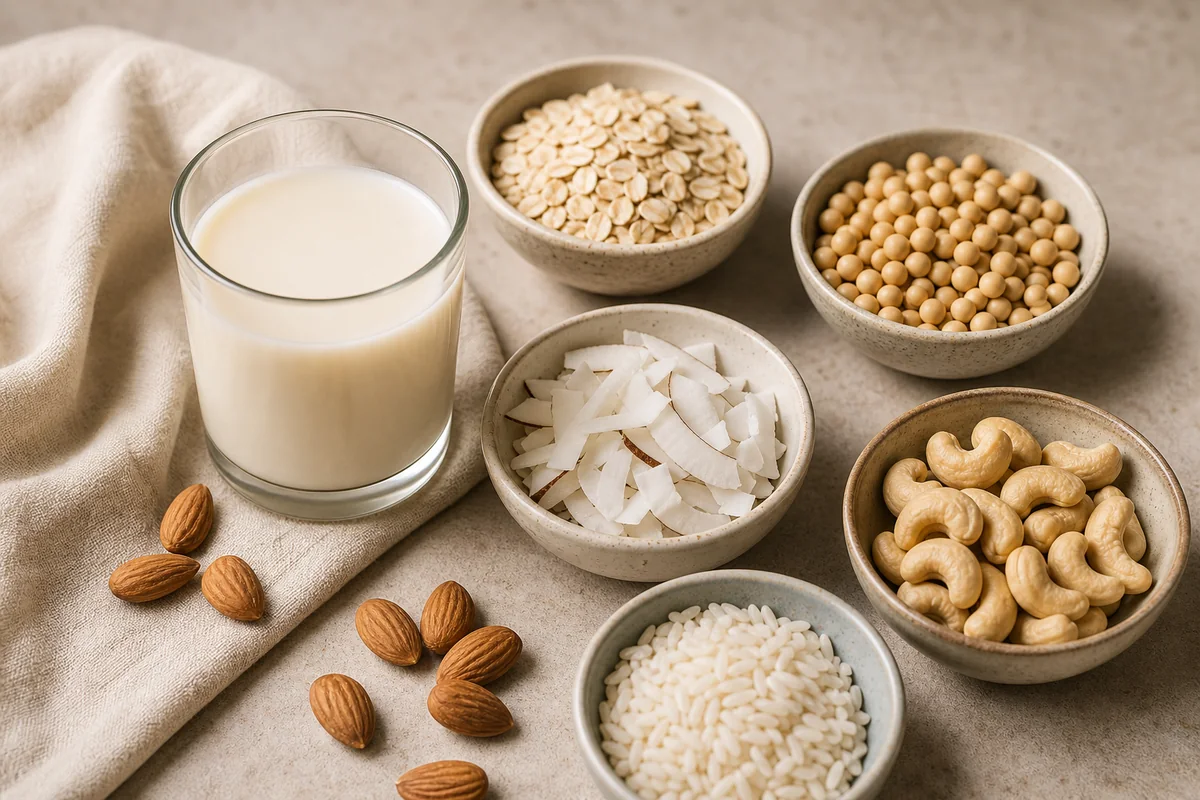 5 Best Almond Milk Substitutes in Every Recipe
Imagine a batch of classic oatmeal raisin cookies: substitute almond milk for the last tablespoon of milk, and you’ll notice a softer crumb and a toasted nut undertone that pairs perfectly with the raisins. Similarly, a simple pancake batter made with almond milk becomes lighter and slightly airy, perfect for a weekend brunch. Even a basic banana bread benefits from the swap, as the almond milk’s modest fat content helps keep the slice moist without greasiness.
Ready to dive in? Choose an easy, familiar recipe—perhaps a basic chocolate chip cookie dough—and swap the dairy milk for almond milk using the 1:1 method. Bake as directed, then taste the result. If you detect any dryness, add a splash more almond milk or a touch of extra butter; if the flavor feels too mild, a dash of vanilla extract can bridge the gap. Keep a note of any adjustments, and you’ll quickly develop a feel for how almond milk behaves in your favorite bakes.