Substitute For White Lily Flour

If you’ve ever baked a biscuit so light it practically floats, there’s a good chance White Lily Flour was the secret. This Southern staple is legendary for its low protein con...

If you’ve ever baked a biscuit so light it practically floats, there’s a good chance White Lily Flour was the secret. This Southern staple is legendary for its low protein content and silky, soft texture, making it the gold standard for flaky pastries and tender cakes. But when you can’t find it on the shelf, panic can set in—until you learn the right substitutes. Why does this matter? Because for home bakers who crave that perfect crumb, missing this flour can feel like losing a kitchen ally. For families, it means Sunday biscuits might turn out tough; for communities, it’s a piece of culinary heritage that deserves a workaround.
The real reason this flour is irreplaceable comes down to soft wheat, which contains less gluten-forming protein than all-purpose flours. That delicate structure produces tender results that melt in your mouth. For individuals, using a good substitute saves a recipe from turning into dense hockey pucks. For families, it means pancake mornings stay fluffy and comforting. And for communities—especially in the South—keeping that texture alive preserves a tradition of hospitality served with a light, buttery biscuit.
Imagine a Saturday morning: your aunt’s biscuit recipe calls for White Lily, but the pantry is bare. You panic, but then you reach for cake flour mixed with a little all-purpose flour. The result? Tall, golden, and tender—just like hers. Or picture a bakery that prides itself on Southern-style scones. When White Lily is out of stock, they blend pastry flour with a pinch of cornstarch to recreate that velvety crumb. These real-life wins show that the right swap can save a dish—and a mood.
Must Read
For a practical solution, grab cake flour (like Softasilk) and mix it with 1–2 tablespoons of all-purpose flour per cup. That combo lowers the protein to mimic White Lily. Another trick: pastry flour alone works beautifully—it’s also made from soft wheat. If you’re in a pinch, measure all-purpose flour, remove 2 tablespoons per cup, and replace with cornstarch. Sift it three times to get that feathery lightness. For gluten-free needs, a blend of white rice flour, potato starch, and a tiny bit of xanthan gum can work—but it’s a science project best tested in small batches first.
One easy swap: start with 1 cup all-purpose flour, remove 2 tablespoons, and add 2 tablespoons of cornstarch. Sift it well. Then use it exactly as you would White Lily for biscuits or pie crusts. Another trick: buy Southern-style all-purpose flour from brands like Martha White or White Lily’s own “self-rising” variant if available. Store it in an airtight container to preserve its low-protein magic. For cookies or pancakes, you can even use pastry flour straight up without adjustment—just reduce liquid slightly if the dough feels too dry.
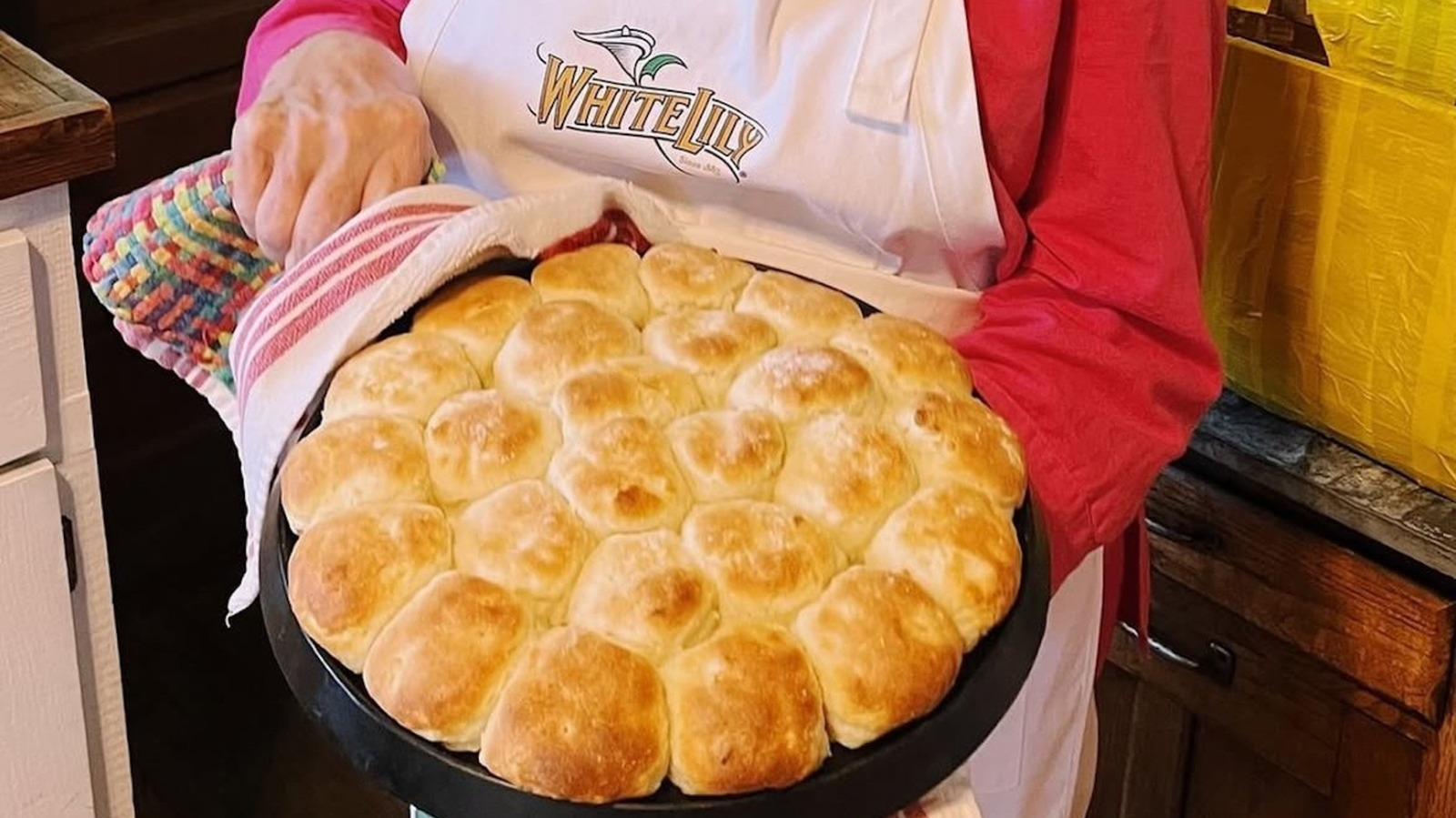 The Best Substitute For White Lily Flour (And Why All-Purpose Won't Cut It)
Remember that texture is everything: White Lily helps baked goods stay soft for days, so your substitutes should focus on low gluten development. Avoid over-mixing or kneading—stir until just combined. For the flakiest results, freeze your butter and grate it into the flour blend. This works beautifully with cake flour mixes. And always check your oven temperature, as lighter flours brown faster. Patience with these steps turns a substitute into a secret weapon.
In the end, a substitute for White Lily flour isn’t about defeat—it’s about clever adaptation. You’re not losing a tradition; you’re keeping it alive with resourcefulness. Whether you’re feeding your family on a busy morning or carrying a community recipe forward, that light, tender crumb is still within reach. So next time the bag is empty, reach for cake flour, a bit of cornstarch, and confidence. Your biscuits will still rise, and your kitchen will still smell like love.

