Substitute For Self Rising Flour

Let’s be real: you’re halfway through a biscuit recipe, and your hands are sticky. You reach for self-rising flour. Poof. It’s gone. Don’t panic. You’ve just unlocked a fun li...
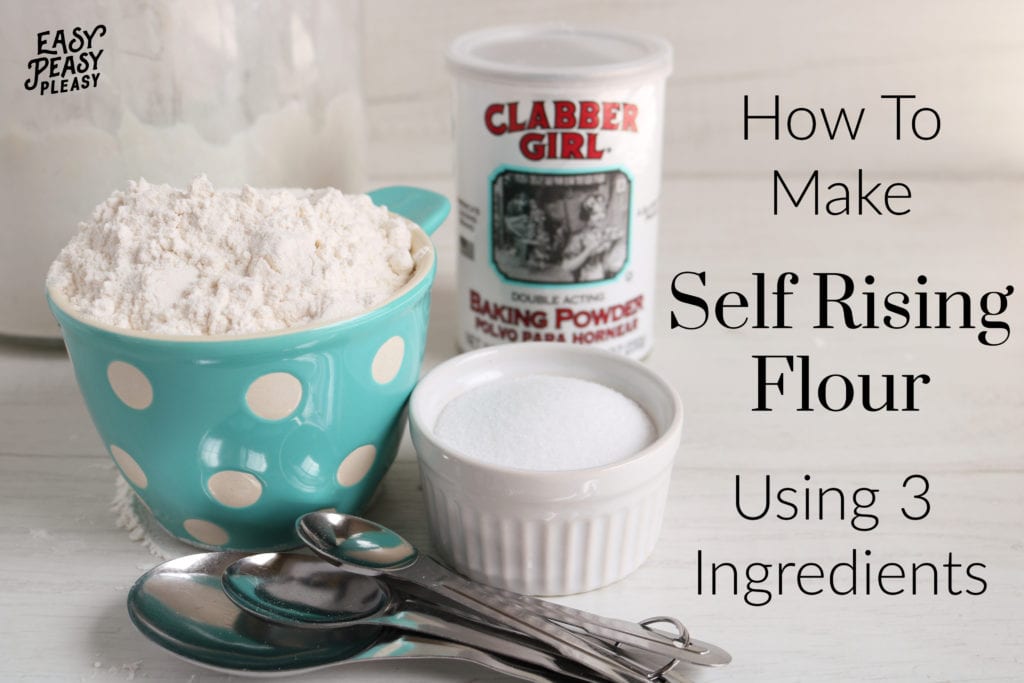
Let’s be real: you’re halfway through a biscuit recipe, and your hands are sticky. You reach for self-rising flour. Poof. It’s gone. Don’t panic. You’ve just unlocked a fun little kitchen magic trick.
Self-rising flour is basically regular flour with a secret party inside. That party is baking powder and salt. They do all the heavy lifting. So, you’re not missing a thing – you’re just about to make a clever substitution.
The One Simple Rule
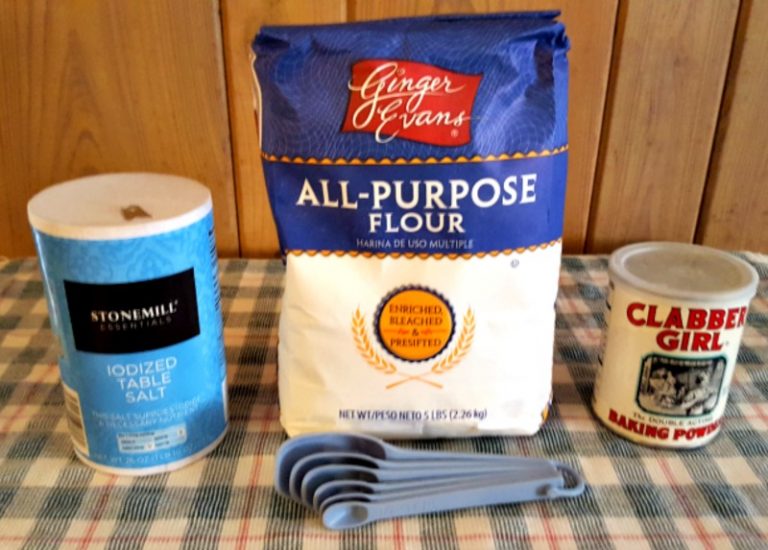
Here’s the golden formula: for every one cup of all-purpose flour, add 1½ teaspoons of baking powder and ¼ teaspoon of table salt. That’s it. You’re now a flour wizard.
Must Read
Whisk it all together like you’re blending a tiny army. Make sure the baking powder is evenly spread. Nobody wants a salty biscuit surprise.
Why This Works (And Why It’s Fun)
Baking powder is basically a mini science experiment. It reacts with liquid and heat to create carbon dioxide bubbles. Those bubbles make your cake light and fluffy. You’re literally trapping gas in dough. That’s hilarious.
The salt isn’t just for flavor – it strengthens the gluten structure. Think of it as a tiny personal trainer for your flour. Without it, your bread might collapse. Dramatic, but true.
The Quirky History
Self-rising flour was invented in the 1840s by an English baker named Henry Jones. He wanted to make bread easier for soldiers. Genius. But he had a rival named John Dauglish who used carbonated water. Flour drama is real.
Today, you can buy self-rising flour pre-made. But making your own is cheaper and lets you control the salt. Plus, you can brag to your friends: “I made my own flour blend.” They’ll be impressed.
 Substitutions | Cake flour, Cooking substitutions, Self rising flour
What About Gluten-Free?
No problem. Use a gluten-free all-purpose flour blend. Just add the same baking powder and salt. Boom. Everyone can have fluffy pancakes. Inclusion tastes good.
Pro tip: Check your gluten-free blend for added xanthan gum. If it doesn’t have it, add ¼ teaspoon per cup. That gum gives structure – think of it as edible glue. Weird, but wonderful.
When NOT to Substitute
If a recipe calls for self-rising flour and extra baking powder, stop. You’ll get a metallic, soapy taste. That’s a baking crime. Use the substitute only when the recipe is already balanced.
Also, don’t store your homemade mix for months. Baking powder loses its fizz over time. Make it fresh, use it fast. Now, that’s exciting – urgency in baking!
Fun Experiments to Try
Take your new flour blend and make drop biscuits. No rolling, no cutting – just spoon and bake. They’ll puff up like happy little clouds. You’ll feel like a mad scientist.
 Substitute For Self-Rising Flour | Help For Cooks
Or try pancakes. Use buttermilk instead of regular milk. The acid reacts with baking powder for extra fluff. Your breakfast will be a science-fair winner. Eat your homework.
The Accidental Genius
Here’s a weird fact: self-rising flour wasn’t meant for home cooks. It was for ships. Sailors needed bread at sea. They couldn’t measure baking powder on a rocking galley. So, someone pre-mixed it. Now you’re a seafaring baker.
You’re essentially recreating sailors’ shortcuts. That’s oddly romantic. You’re baking like a pirate. Arrr, pass the butter.
The Final Flour Power
When you run out, don’t stress. You have a pantry full of potential. The substitution works for any recipe: cakes, scones, cornbread, even pizza dough. Freedom from packaged mixes.
Mess up the ratio? No biggie. Too much baking powder gives a bitter taste, but your food won’t explode. Probably. That’s the fun of home baking – you can always try again.
So go on. Raid your pantry. Whisk that flour, powder, and salt together. You’re not just making a substitute. You’re hijacking chemistry for delicious results. Now, go bake something that makes you giggle.
