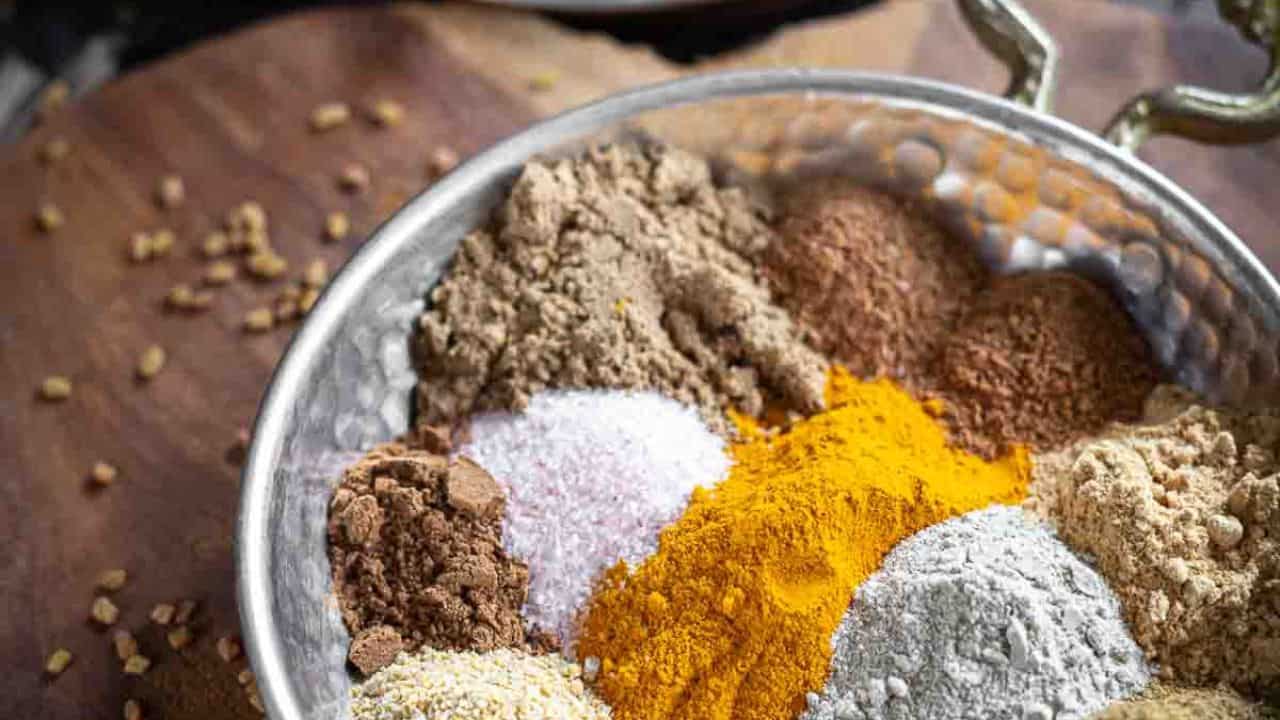
Substitute For Curry Powder In Soup

There’s something uniquely comforting about a bowl of hot soup, especially when its aroma fills the kitchen with a promise of warmth and flavor. For many home cooks, reaching...

There’s something uniquely comforting about a bowl of hot soup, especially when its aroma fills the kitchen with a promise of warmth and flavor. For many home cooks, reaching for curry powder is a go-to move to instantly transform a simple broth into a rich, aromatic meal. Its blend of turmeric, cumin, coriander, and chili offers a complex, earthy base that elevates vegetables, lentils, or chicken into something exotic and satisfying. Whether it’s a creamy pumpkin soup, a hearty lentil stew, or a quick coconut milk bisque, curry powder is valued for its ability to add depth and a gentle heat without requiring a dozen separate spices. It’s a convenience we love, until we reach into the pantry and find the jar is empty.
The key purpose of a substitute is to mimic that unique balance of warmth, earthiness, and slight bitterness that curry powder provides. You don’t need to replicate every single spice; you just need to hit the major sensory notes that make your soup taste “curried.” Think of it as building a flavor team: you need a main earthy player (like cumin or coriander), a warm aromatic (like ginger or cinnamon), and often a hint of sharpness (like mustard seeds or turmeric). The best substitutes allow your soup to keep its character, preventing it from becoming flat or one-dimensional. A successful swap means you can still enjoy that familiar, grounding comfort without a trip to the store.
For everyday life, having a few simple alternatives on hand is a practical game-changer. Imagine it’s a chilly Tuesday night, and you’ve already chopped your butternut squash and onions. You realize you’re out of curry powder, but you have a jar of garam masala in the cabinet. Garam masala is a wonderful, immediate substitute because it shares many core spices—coriander, cumin, cardamom, and pepper. It is typically more aromatic and less turmeric-heavy, so your soup will be deeply fragrant and slightly sweet, with a beautiful warmth. Simply use it in the same quantity as you would curry powder, and add a pinch of turmeric if you want that signature yellow color. Your soup will taste different, but deliciously so.
Must Read
Another excellent, pantry-friendly option is to combine common single spices. You don’t need a complex blend; a simple mix of cumin, coriander, and a pinch of turmeric creates a solid base. For one liter of soup, start with one teaspoon of ground cumin, one teaspoon of ground coriander, and half a teaspoon of turmeric. This trio provides the earthy, floral, and peppery notes most essential to curry powders. If you like heat, add a tiny pinch of cayenne or red pepper flakes. This approach gives you full control over the intensity and lets you adjust the flavor to your exact preference, making it an ideal strategy for experimenting with your cooking.
Don’t underestimate the power of fresh aromatics when curry powder is absent. While a powder is dried, you can achieve a vibrant, fresh version by sautéing a paste of fresh ginger, garlic, and a fresh green chili. First, cook this paste in oil until fragrant, then add ground spices like cumin and coriander. Alternatively, a spoonful of mild curry paste (like Thai red or yellow) works beautifully—though it will shift the flavor profile toward lemongrass and galangal. This method is perfect for coconut-based soups, where the fresh notes sing against the creamy backdrop. The benefit is a brighter, more lively soup that feels wholly new and exciting.
 Spice Up Your Squash Soup: Creative Curry Substitutes To Try | AnSoup
For a truly quick fix, look to spice blends from other cuisines. A spoonful of ras el hanout (a North African blend) or baharat (a Middle Eastern mix) can step in admirably. These blends often include cinnamon, allspice, and nutmeg, which bring a sweet, warm complexity that complements root vegetables and squashes beautifully. They won’t taste like standard curry powder, but they will provide the exotic, layered flavor you were craving. This is a wonderful opportunity to explore new tastes—your “curry” soup might suddenly hint of saffron and rose petals, expanding your culinary horizons with minimal effort.
Finally, a simple tip for exploring substitutes on your own: start small and taste as you go. All spices and blends vary in potency. Add half the amount you think you need, stir it into your broth, let it simmer for at least five minutes, and then taste. Remember, you can always add more, but you cannot take it out. Use this time to invent your own signature blend. Perhaps your perfect soup uses smoked paprika instead of turmeric, or maybe you love a pinch of fennel seed. The absence of curry powder is not a problem; it is an invitation to be a more creative, confident cook, one delicious bowl at a time.