Substitute Flour For Self Raising Flour

Flour Frenzy: When Self-Raising Flour Isn't the Only Kid in Town Alright, gather 'round, fellow bakers, because we're about to dive into the flour-tastic world of substitute...
Flour Frenzy: When Self-Raising Flour Isn't the Only Kid in Town
Alright, gather 'round, fellow bakers, because we're about to dive into the flour-tastic world of substitute flours. You know, those unsung heroes that save the day when your pantry's self-raising flour is on vacation, or you've run out because you've been on a baking spree (no judgment here, we've all been there!).
What's the Big Deal with Self-Raising Flour?
Self-raising flour, the baking superstar, has baking powder already mixed in. It's like the ultimate multitasker, making your life easier by doing the raising for you. But what happens when it's not around, and your cake dreams are crumbling faster than a cookie in a cookie monster's grasp?
Fear not, dear baker! There are substitute flours out there, ready to step up to the challenge. Let's meet some of these flour-tastic alternatives.
Must Read
All-Purpose Flour: The Versatile Sidekick
Meet all-purpose flour, the Swiss Army knife of the flour world. It's not just for pancakes and pasta, oh no! With a little help from some baking powder, it can rise to the occasion (pun intended).
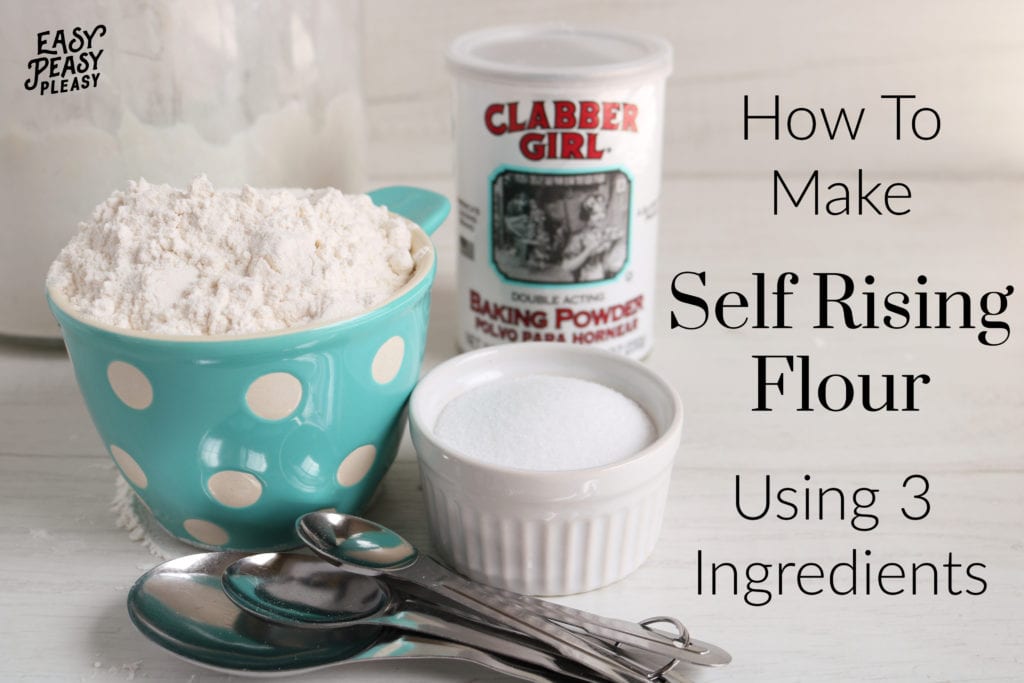
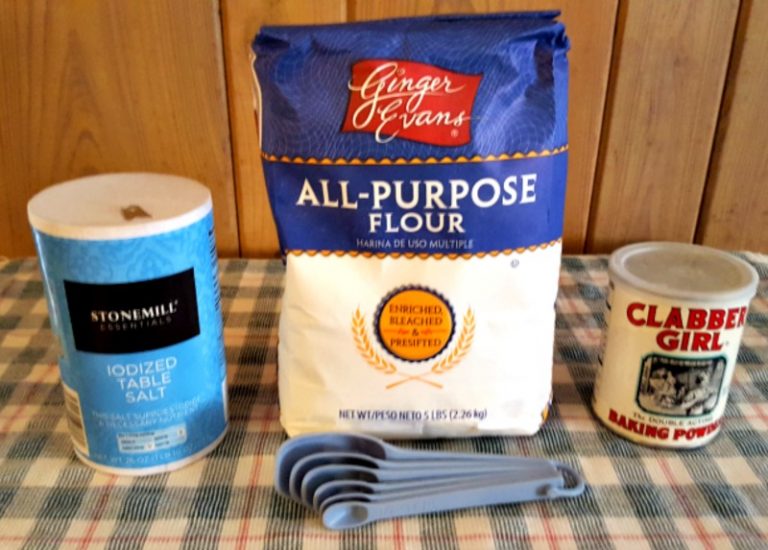
Here's the magic formula: for every cup of all-purpose flour, add 1 1/2 teaspoons of baking powder and 1/4 teaspoon of salt. Voila! You've just created a self-raising flour doppelganger.
Whole Wheat Flour: The Health-Conscious Hero
Now, let's talk about whole wheat flour. It's like the health nut of the flour family, packed with fiber and nutrients. But here's the thing, it's not the best at rising. It's more of a 'let's have a nice, dense cake' kind of flour.
If you're craving a whole wheat cake with a little more oomph, try adding a bit more baking powder - about 2 teaspoons per cup of flour. Just remember, whole wheat cakes can be a tad denser, so embrace the rustic charm!
Almond Flour: The Gluten-Free Wonder
Almond flour, our gluten-free friend, is made from ground almonds. It's like the fancy, nutty cousin of the flour family. But here's the catch, it doesn't rise like traditional flours. It's more of a 'let's make a delicious, dense treat' kind of flour.
Think almond flour is out of the running? Think again! It's perfect for cookies, bars, and even some cakes. And let's not forget, it's packed with protein and healthy fats. Win-win!
Coconut Flour: The Tropical Troubleshooter
Coconut flour, the tropical trouper, is another gluten-free option. Made from dried coconut meat, it's got a unique texture and a mild coconut flavor. But here's the thing, it's a bit of a sponge. It absorbs a lot of liquid, so you'll need to adjust your recipe.
For every 1/2 cup of coconut flour, you'll need 1 cup of liquid (like milk or water) and 3-4 eggs. It's a bit of a challenge, but the result is a light, fluffy treat that's gluten-free and packed with fiber.
 Substitute For Self-Rising Flour | Help For Cooks
Rice Flour: The Asian Ace
Rice flour, our Asian-inspired friend, is made from finely ground rice. It's gluten-free and has a slightly nutty flavor. But like coconut flour, it doesn't rise like traditional flours. It's best used in recipes where a dense texture is desired.
It's perfect for making traditional Asian treats like mochi and rice cakes. And bonus, it's often used in gluten-free baking as a thickener and to add texture.
Chickpea Flour: The Protein Powerhouse
Chickpea flour, the protein powerhouse, is made from ground chickpeas. It's gluten-free, high in protein, and has a unique, slightly nutty flavor. But here's the thing, it's not the best at rising. It's more of a 'let's make a dense, protein-packed treat' kind of flour.
It's perfect for making socca, a traditional French chickpea flatbread. And it's often used in gluten-free baking as a thickener and to add protein.
When in Doubt, Make Your Own!
If you're in a pinch and none of these flours are speaking to you, you can always make your own self-raising flour. Here's the secret formula: for every cup of all-purpose flour, add 1 1/2 teaspoons of baking powder and 1/4 teaspoon of salt.
Mix it up, and you've got a self-raising flour doppelganger ready to go. Just remember, it's best to use it up within a few weeks, as the baking powder can lose its oomph over time.
So, What's the Moral of the Story?
Self-raising flour might be the star of the show, but it's not the only kid in town. There are plenty of substitute flours out there, each with their own unique qualities and uses. So next time you're in a baking bind, don't panic. There's a flour out there ready to save the day.
And remember, baking is all about experimentation. Don't be afraid to try something new, make a mistake, and learn from it. After all, even the most delicious treats often come from a place of trial and error.
Now, who's ready to get their bake on?
