Substitute Butter For Oil In Cookies

There’s something incredibly satisfying about the simple act of swapping butter for oil in a cookie recipe. It’s one of those kitchen tricks that feels both practical and a li...

There’s something incredibly satisfying about the simple act of swapping butter for oil in a cookie recipe. It’s one of those kitchen tricks that feels both practical and a little bit magical, turning a standard craving into a personalized treat. Whether you’ve run out of butter on a rainy afternoon or you’re aiming for a softer, chewier texture that lasts for days, this substitution is a game-changer. It’s widely appreciated because it’s nearly foolproof—oil brings moisture without the fuss of softening or creaming—and it opens the door to using pantry staples like vegetable, coconut, or even olive oil in ways you might not expect. The main purpose here is to give you confidence and flexibility, so you can bake what you want with what you have.
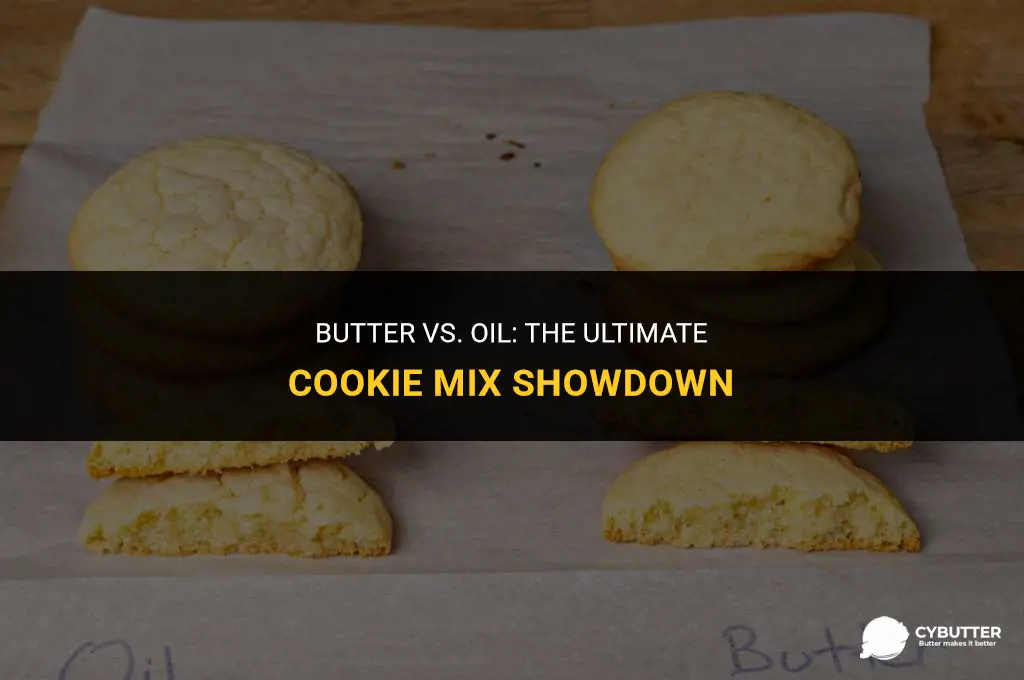
Why do people love this swap so much? First, it’s all about texture. Butter has water, which creates steam and contributes to spreading and a slightly crisper edge. Oil, being 100% fat, delivers a cookie that is uniformly tender and stays soft for days—think bakery-style chocolate chip or snickerdoodle cookies that don’t turn rock-hard. Second, it’s a huge time-saver: no waiting for butter to come to room temperature, no fumbling with a mixer to cream it with sugar. You just whisk the oil with sugar, eggs, and vanilla, then add dry ingredients. For busy parents, late-night bakers, or anyone with a restless sweet tooth, this is pure relief.
You might already recognize some common variations. Coconut oil is a favorite for a subtle tropical hint and a slightly firmer dough, perfect for vegan cookies if you use a nondairy milk. Olive oil—yes, extra virgin—works beautifully in savory-sweet cookies like those with rosemary, sea salt, or dark chocolate, adding a fruity note. Even avocado oil or melted margarine can step in, depending on dietary needs. The beauty is that any neutral oil (like canola or grapeseed) will yield a reliable cookie, while flavored oils let you experiment without extra steps.
Must Read
Getting started is simpler than you think. The golden rule is a 1:1 ratio by volume: replace every cup of butter with one cup of oil. But there’s a tiny secret—since butter is only about 80% fat and oil is 100%, you might want to reduce the oil by a tablespoon or two for every stick of butter (which is ½ cup). For example, if a recipe calls for 1 cup of butter (two sticks), use ¾ cup plus 2 tablespoons of oil. This prevents greasiness and keeps the cookie structure intact. Start with a standard batch of sugar cookies or chocolate chip cookies to test the waters—the results are usually pleasantly surprising.
Here’s an actionable tip for the best outcome: chill the dough for at least 30 minutes before baking. Oil-based dough is softer and stickier than butter dough, and chilling firms it up so your cookies don’t spread into flat pancakes. You can also add a tablespoon of cornstarch to the dry ingredients for extra chewiness, or swap a teaspoon of vanilla for almond extract to complement the oil’s smoothness. Another pro move: use melted coconut oil at room temperature (not hot), and if the dough seems oily, just work in a few extra tablespoons of flour—it’s forgiving.
:max_bytes(150000):strip_icc()/20251120-SEA-OilvsButter-AdamDogle-07-4296bf71dd0f4aee868d6f3b3ae74da3.jpg) Butter vs. Oil for Baking—Here's Which Fat Makes the Best Cookies
Butter vs. Oil for Baking—Here's Which Fat Makes the Best Cookies
Think of this substitution as your creative license. It works across most drop cookies, bar cookies, and even shortbread-style treats, though it’s not ideal for ultra-crisp or flaky pastries like croissants. For a chewy oatmeal raisin or peanut butter cookie, oil is a dream. Don’t overmix the dough once the flour is added—stir just until combined—and you’ll avoid tough results. If you’re baking for someone with dairy sensitivity, this swap instantly makes the recipe dairy-free (just be sure your oil is plant-based).
In the end, substituting butter for oil in cookies is less about “making do” and more about unlocking a new, adaptable style of baking. It’s forgiving, quick, and surprisingly delicious—especially when you nail that soft, tender crumb. So next time you’re staring at a half-empty pantry or just want cookies that stay fresh for tomorrow’s lunchbox, grab that bottle of oil. You might find yourself preferring the results. Happy baking!