Sub White Sugar For Brown Sugar

Okay, let’s be real for a second. You’re standing in your kitchen, halfway through a batch of chocolate chip cookies that are this close to being legendary. You reach for the...
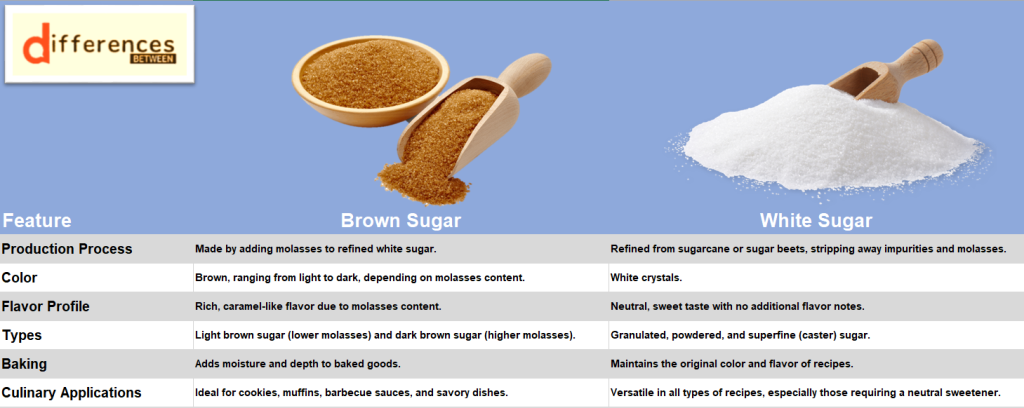
Okay, let’s be real for a second. You’re standing in your kitchen, halfway through a batch of chocolate chip cookies that are this close to being legendary. You reach for the brown sugar… and the bag is as hard as a hockey puck. Panic sets in. Do you abort mission? Call your grandma? No. You eye that bag of white sugar like it’s a traitor. But what if I told you that white sugar can be your hero in disguise? Let’s talk about the great sugar swap—and why it’s way easier than you think.
First, the big truth bomb: brown sugar is literally just white sugar with a splash of molasses added back in. That’s it. It’s not some rare, mystical sugar from a secret tropical island. It’s white sugar’s slightly more interesting cousin who came back from a vacation in the Caribbean with a tan and a deeper voice. So when you’re out of brown sugar, you aren’t missing a miracle ingredient—you’re just missing molasses. And guess what? You can fix that in about ten seconds flat.
Here’s the magic formula: For every one cup of brown sugar you need, take one cup of white sugar and add one tablespoon of molasses. Stir it with a fork until it looks like wet sand. Congratulations—you just made light brown sugar. Want dark brown sugar? Use two tablespoons of molasses. You’re basically a sugar alchemist now. Feel free to wear a wizard hat. I won’t judge.
Must Read
But what if you don’t have molasses either? Ah, the plot thickens like a good caramel sauce. You can still make a respectable substitute. Try this: mix one cup of white sugar with one to two tablespoons of maple syrup or even honey. It won’t be a perfect clone—the flavor will be a little different, like a stunt double for a famous actor—but it’ll work beautifully in most recipes. Your cookies will still be chewy, your baked beans will still be sticky, and your coffee will still taste like a hug. See? You’re fine.
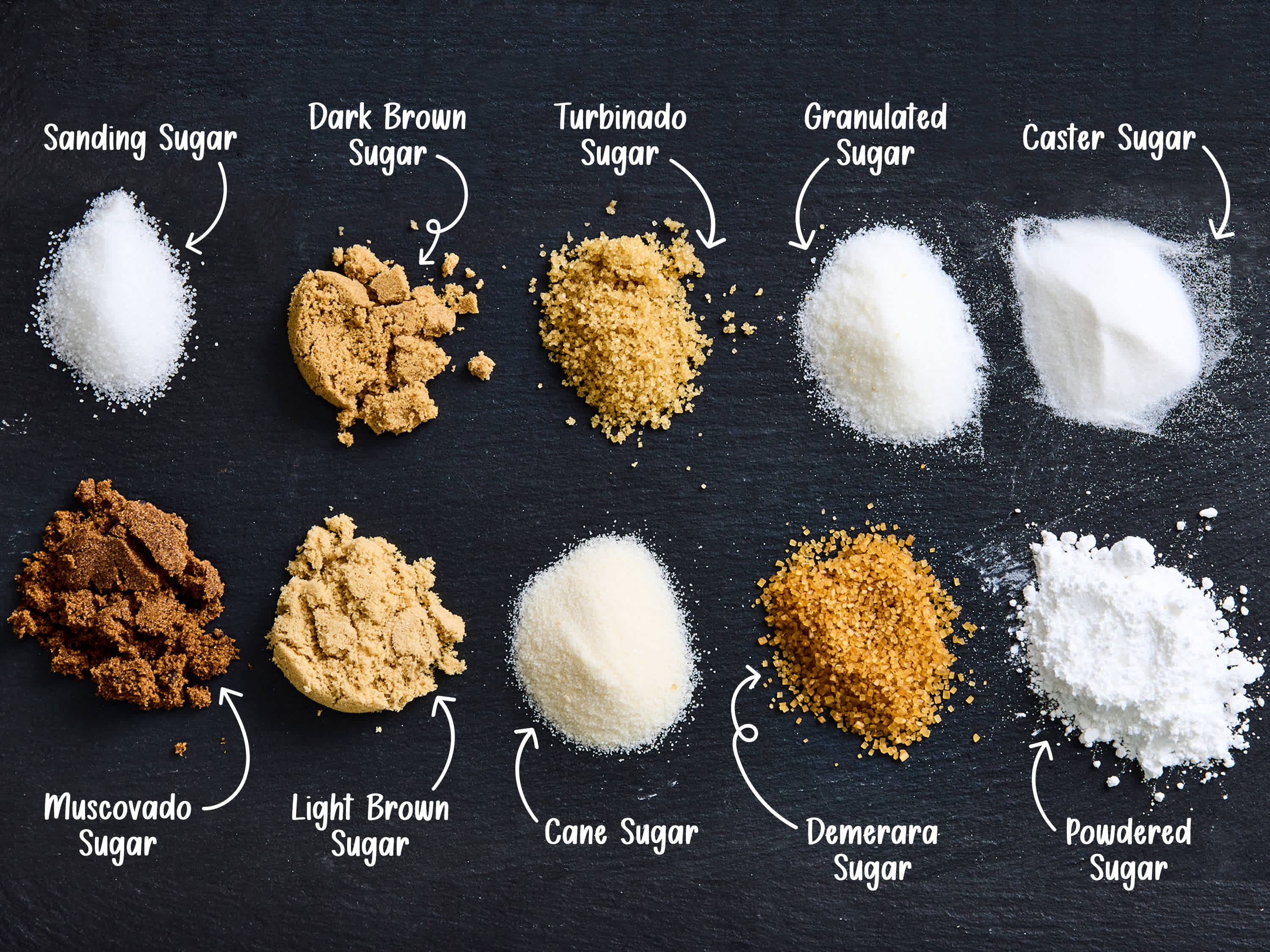 Granulated White Sugar Ingredients
Now, let’s talk about the science-y part (but like, in a fun way, not a pop-quiz way). Brown sugar isn’t just for flavor—it’s also for texture. The molasses in brown sugar is acidic, which reacts with baking soda to give baked goods a softer, chewier crumb. White sugar alone will make things crisper and lighter. So if you swap one for the other without adjusting, your cookies might turn out a little more crunchy than cuddly. Want to fix that? Add a teaspoon of honey or a splash of lemon juice to mimic the acid. Your taste buds will thank you, and your cookies will still have that “I love you” texture.
One more thing—don’t sleep on the flavor factor. Brown sugar has a warm, toffee-like depth that white sugar simply doesn’t have. If you’re making blondies, barbecue sauce, or a crumble topping, you might miss that rich hug. But here’s the good news: you can fake it by adding a pinch of cinnamon, a drop of vanilla extract, or even a tiny bit of coffee powder. Your kitchen, your rules. You are the captain of this sugary ship.
 White Sugar
So next time you hit that brown sugar emergency, don’t panic. Don’t rage-text your grocery delivery app. Just grab your white sugar, a little molasses or maple syrup, and give it a good stir. You’ve got this. And honestly? The end result will be just as delicious—maybe even more satisfying because you made it work against the odds.
In the grand, sweet story of your life, white sugar isn’t a consolation prize. It’s a secret weapon waiting to be deployed. So go ahead—swap, stir, and smile. Because the best ingredient in any kitchen isn’t sugar. It’s the confidence that you can fix anything with a little creativity, a lot of patience, and just the right amount of sass. Now go bake something amazing. You deserve it.
